Untitled
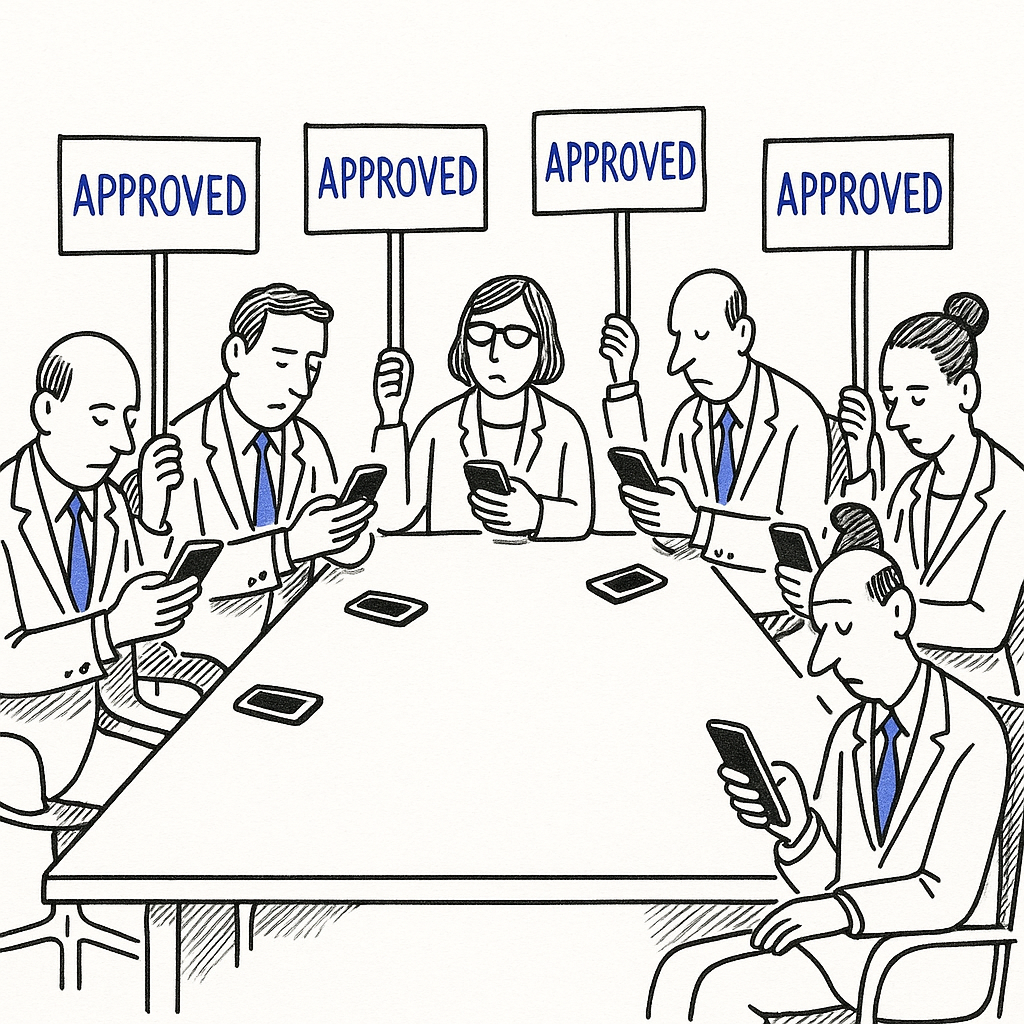
Most organizations don't make decisions. They perform them.
I noticed this pattern across four seemingly unrelated pieces this week. A Harvard Business Review article about getting skeptical leaders to buy into strategy. A Marketing Week profile of a pet care CMO being "unapologetic" about their positioning. A Branding Strategy Insider essay calling out the terrified AI rush in marketing. And a personal finance piece about the freedom that comes from making hard choices.
The thread: real commitment looks nothing like signaling commitment.
The Strategy Theater
When executives say "we can't afford not to," they're revealing something. That's not strategic thinking. It's fear dressed up as decisiveness.
The Branding Strategy Insider piece nails this. Big organizations are racing to adopt AI not because they understand it, but because they're scared of being the last one without a slide deck about it. "This isn't strategy. It's signaling under pressure."
Harvard Business Review's research on making strategy resonate with skeptical leaders hits the same wall from a different angle. The reason strategy doesn't stick isn't because the strategy is wrong. It's because leaders are performing buy-in rather than actually buying in. They're checking the box, not changing behavior.
What Real Conviction Looks Like
Jollyes, a UK pet care retailer, is doing something unusual. Their new CMO describes their approach as "unapologetic" about being a value specialist. Not premium, not discount, not "affordable luxury" or any other hedge. Just value, stated clearly.
That's conviction. Positioning without a safety net.
The divorce piece, oddly enough, makes the same point. The freedom doesn't come from the divorce itself. It comes from the decisiveness to make an irreversible choice and live with the consequences. "Having gone through a divorce myself, I know it can bring financial and emotional peace in the long run."
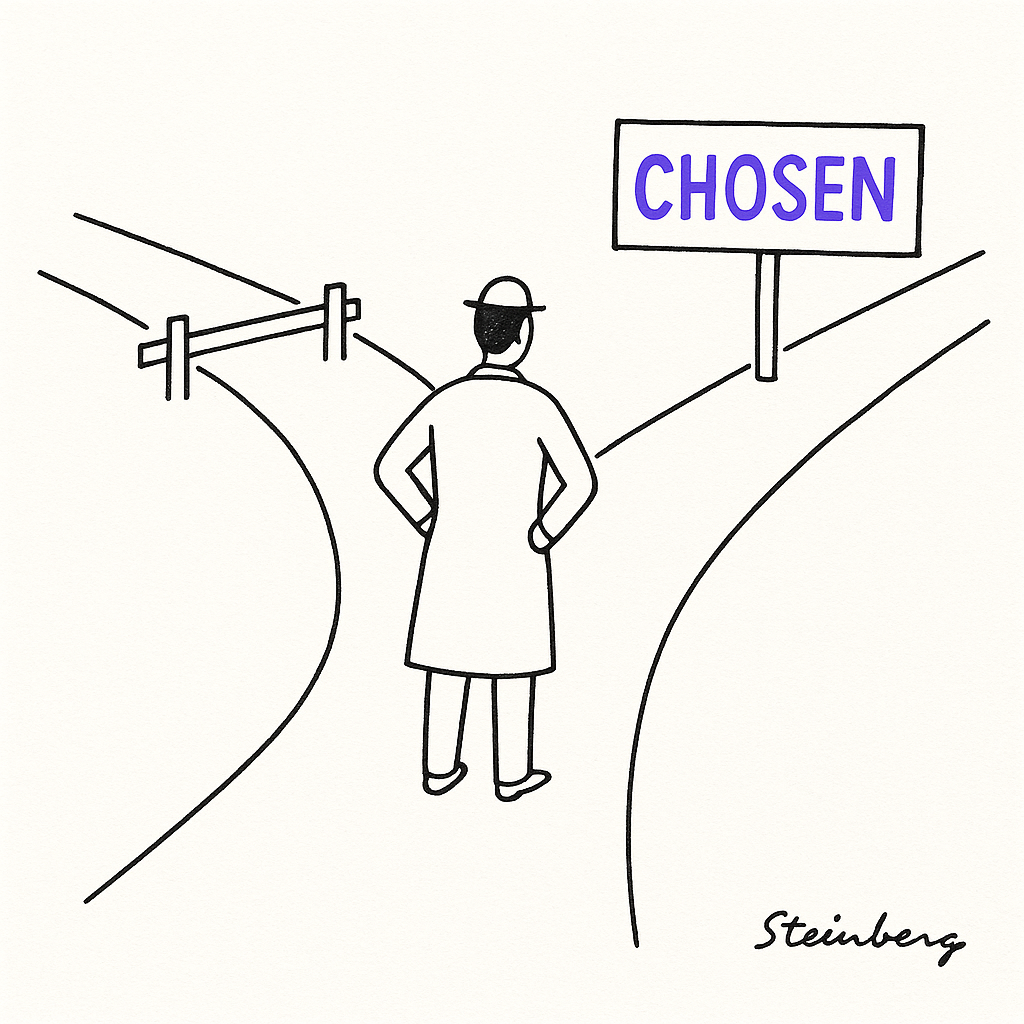
Real decisions close doors. Performative ones leave everything open so you can retreat if it doesn't work.
Why This Matters Now
The gap between conviction and signaling is getting expensive. When everyone adopts the same "can't afford not to" playbook, you get:
- Strategy documents nobody remembers three months later
- Marketing campaigns that sound like every other campaign
- Technology adoption that solves for being seen adopting, not for actual problems
- Positioning that hedges so much it says nothing
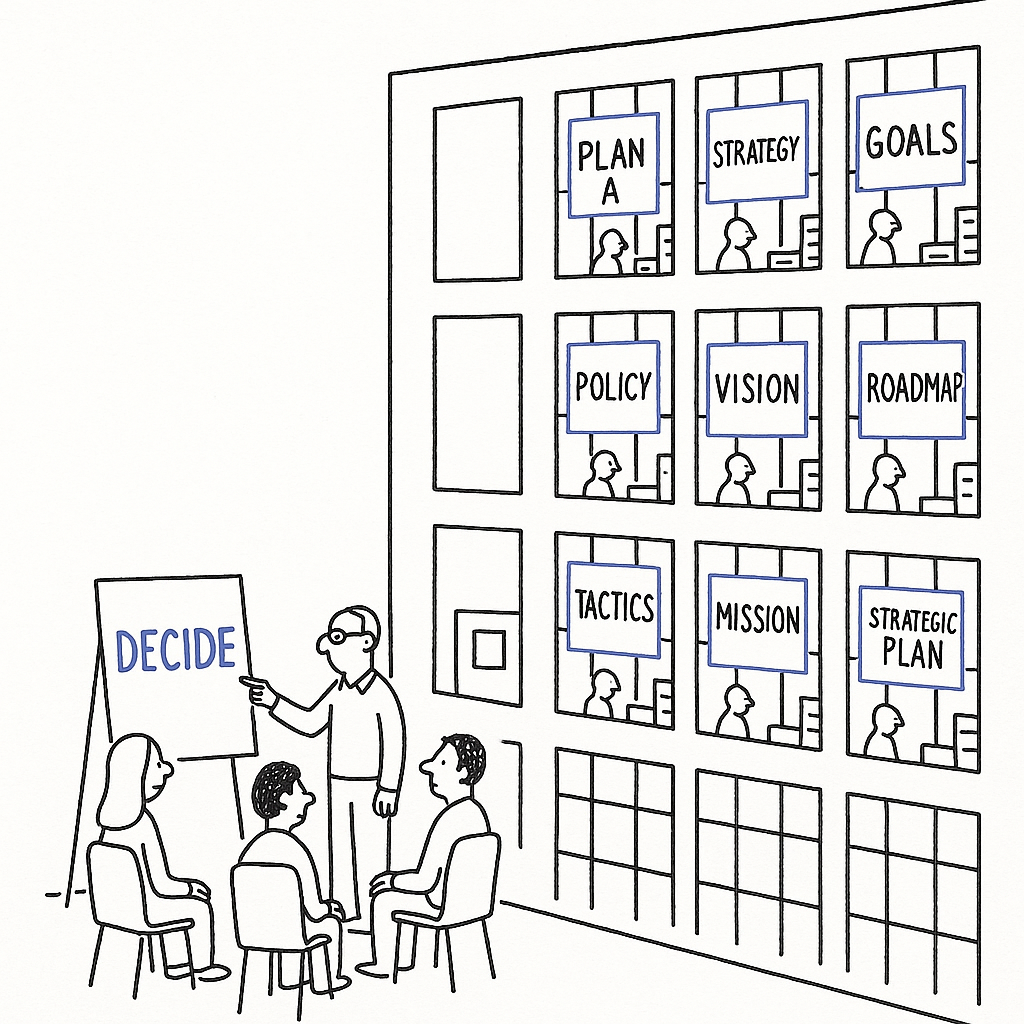
The organizations that win won't be the ones with better strategy theater. They'll be the ones willing to actually commit. To close doors. To be wrong about something specific rather than vaguely right about everything.
HBR's research suggests six ways to make strategy resonate. But the real insight isn't in the tactics. It's in recognizing that resonance requires real commitment, not performed commitment.
The small and reckless, as Branding Strategy Insider puts it, have an advantage here. Not because they're smarter. Because they can't afford the performance. They have to actually decide.
Sources
- 6 Ways to Make Strategy Resonate with Skeptical Leaders - Harvard Business Review
- Pet care challenger Jollyes on its 'unapologetic' marketing mission - Marketing Week
- The Future Of Brand Creativity Belongs To The Small And Reckless - Branding Strategy Insider
- I See the Freedom in My Best Friend's Late-Life Divorce - Kiplinger