Skip to content

Blog

Neuroscience, behavioral economics, and data analysis—applied to smarter decisions.

·
brand-coherencedecision-intelligencebehavioral-economics

Norwegian Cruise Line's Dress Code Fiasco Reveals How Operational Decisions Destroy Brand Coherence

Norwegian Cruise Line generated its biggest brand controversy of 2026 through a restaurant dress code memo. It shares an exact failure mode with how AI is renegotiating agency relationships and how companies underestimate geopolitical risk: organizations have no evaluation process for decisions that look operational but are identity-defining.

Read more →
·
employee-ownershipcognitive-scarcitybehavioral-economics

Why Employee Stock Ownership Programs Fail the Culture Test: Cognitive Scarcity Evidence from Cyprus

ESOPs reliably transfer equity. They rarely transfer the mindset that makes equity meaningful. A behavioral economics study from Cyprus, new Harvard Business Review research on cognitive restoration, and Branding Strategy Insider's dissection of employee ownership culture all converge on the same uncomfortable finding: structural incentives don't change behavior when cognitive bandwidth is already depleted.

Read more →
·
agentic-commercebrand-strategygrocery-retail

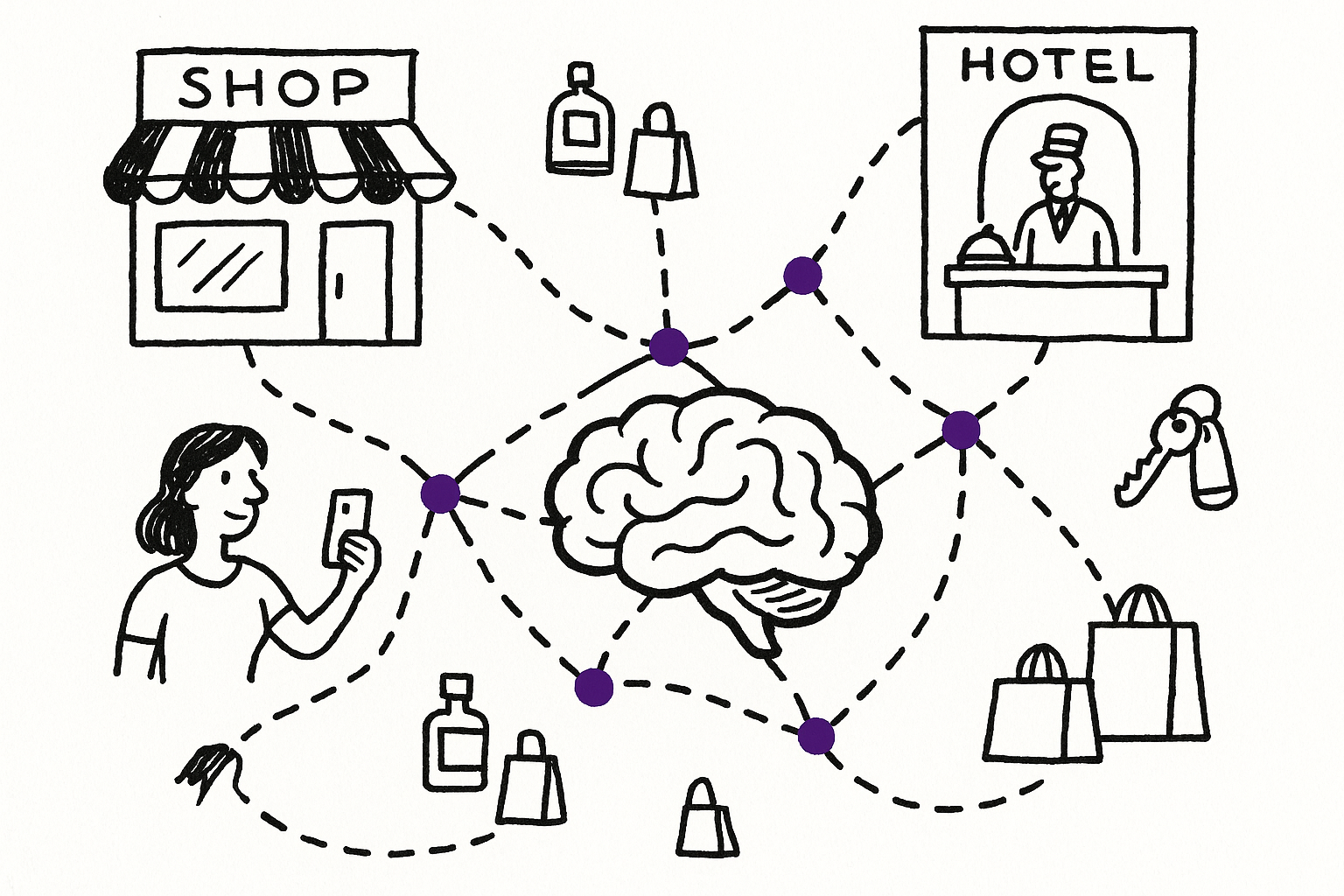
REWE's Agentic Commerce Build Reveals Why Brand Visibility in Grocery Retail Is Becoming a Data Problem

REWE's chief digital officer calls AI 'the most fundamental change in the way we do business in 50 years.' For the brands that sell through REWE, that transformation has a specific implication nobody is discussing: when AI agents do the shopping, brand visibility stops being a marketing problem and starts being a data architecture problem.

Read more →
·
cognitive scarcitybrand strategybehavioral economics

ION's 24-Month Women's Sports Turnaround Reveals the Cognitive Tax Hidden in Every Brand Strategy

ION transformed into a women's sports powerhouse in 24 months - not by building demand, but by reducing the cognitive friction suppressing demand that already existed. The same structural logic explains why Cyprus energy programs fail, why women defer financial planning, and why nation brands collapse under pressure. Most brand strategies never account for the cognitive tax they charge their own audience.

Read more →
·
retail bankingAI agentssignal collapse

Why Gen AI Agents Convert Retail Banking's Relationship Data From a Moat Into a Stranded Asset

McKinsey warns that gen AI agents will disintermediate retail banks' customer relationships. That framing understates the structural damage. When AI agents intermediate financial decisions, banks don't just lose the customer's attention - they lose the ability to generate new behavioral signals entirely. The relationship data advantage doesn't just get competed away. It decays from starvation.

Read more →
·
ai strategyhumanoid roboticsfractional work

McKinsey's Humanoid Supply Chain Bet and Anthropic's Claude Design Are Competing for the Same Organizational Budget

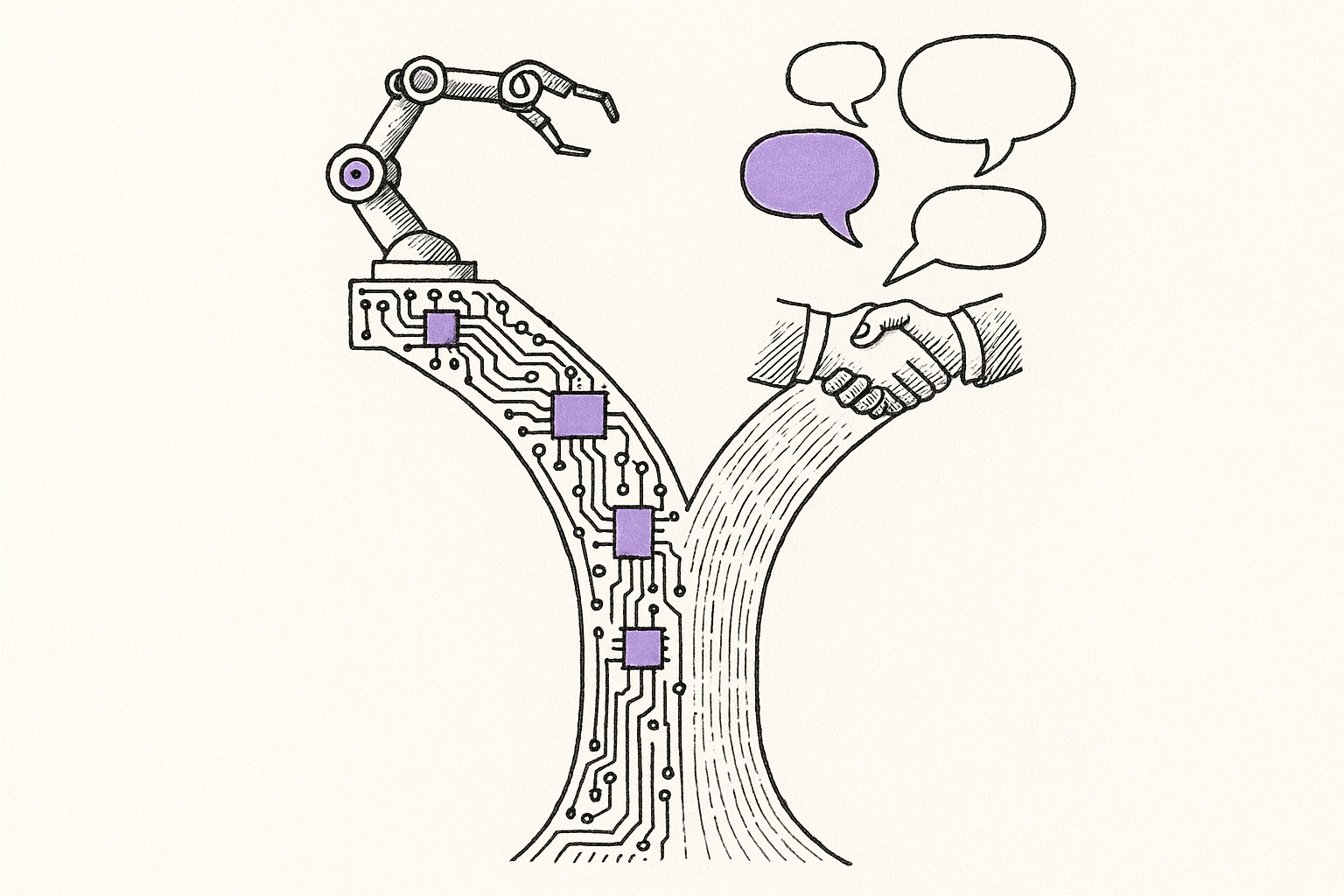
McKinsey called humanoid robotics supply chain the biggest business opportunity of the decade. Anthropic just launched Claude Design to take on Adobe and Figma. HBR published a framework for fractional executive hiring. Three markets, one budget line -- and they're all competing to own the same organizational layer.

Read more →

·
agentic commerceemotional advertisingbrand strategy

The Decision-Maker Substitution Problem: Why AmEx's Agentic Commerce Bet Turns Emotional Advertising Into a Stranded Asset

American Express and Dentsu are building infrastructure for AI agents to complete purchases on behalf of humans. Neuromarketing research confirms emotional ads outperform rational ones - but that finding rests on a hidden assumption: a human brain is doing the deciding. When the decision-maker gets substituted, the assumption collapses.

Read more →

·
financial-marketingbrand-strategybehavioral-economics

State Street's 'Fearless Girl' Strategy Shows What McKinsey's Affordability Crisis Actually Demands From Financial Brands

McKinsey says consumer affordability is the dominant global pressure point. HBR is teaching executives to onboard AI agents like new hires. But State Street - which manages $29 trillion in assets - chose a 4-foot bronze girl as its most iconic campaign. The contrast reveals exactly what financial brands keep getting wrong.

Read more →

·
data-centerindustrial-strategyenergy-costs

McKinsey's $7 Trillion Data Center Opportunity Is Really About Industrial Power, Not Hyperscalers

McKinsey projects $7 trillion flowing into AI data center infrastructure. Most coverage follows the headline to hyperscalers and GPU vendors. The more consequential finding is buried in paragraph two: incumbents who supply power and thermal equipment can't meet demand, creating a codesign entrant window that most strategists haven't priced in.

Read more →
·
decision sciencepremium pricingAI limitations

Why NYC Private Schools Now Cost More Than Harvard - and What ChatGPT's Stock Picks Reveal About the Same Fallacy

Twelve Manhattan high schools charge more than Harvard's annual tuition. ChatGPT's stock forecasts miss actual prices by 13% more than DeepSeek's. Brand spectacle at SXSW gets measured in 'vibes.' Three different industries, one structural problem: expensive signals have replaced the outcomes they were supposed to represent.

Read more →
The Category Benchmark Trap: Why the Neuroscience Behind Premium Pricing Won't Survive Agentic AI
·
brand strategycategory benchmarkneuromarketing

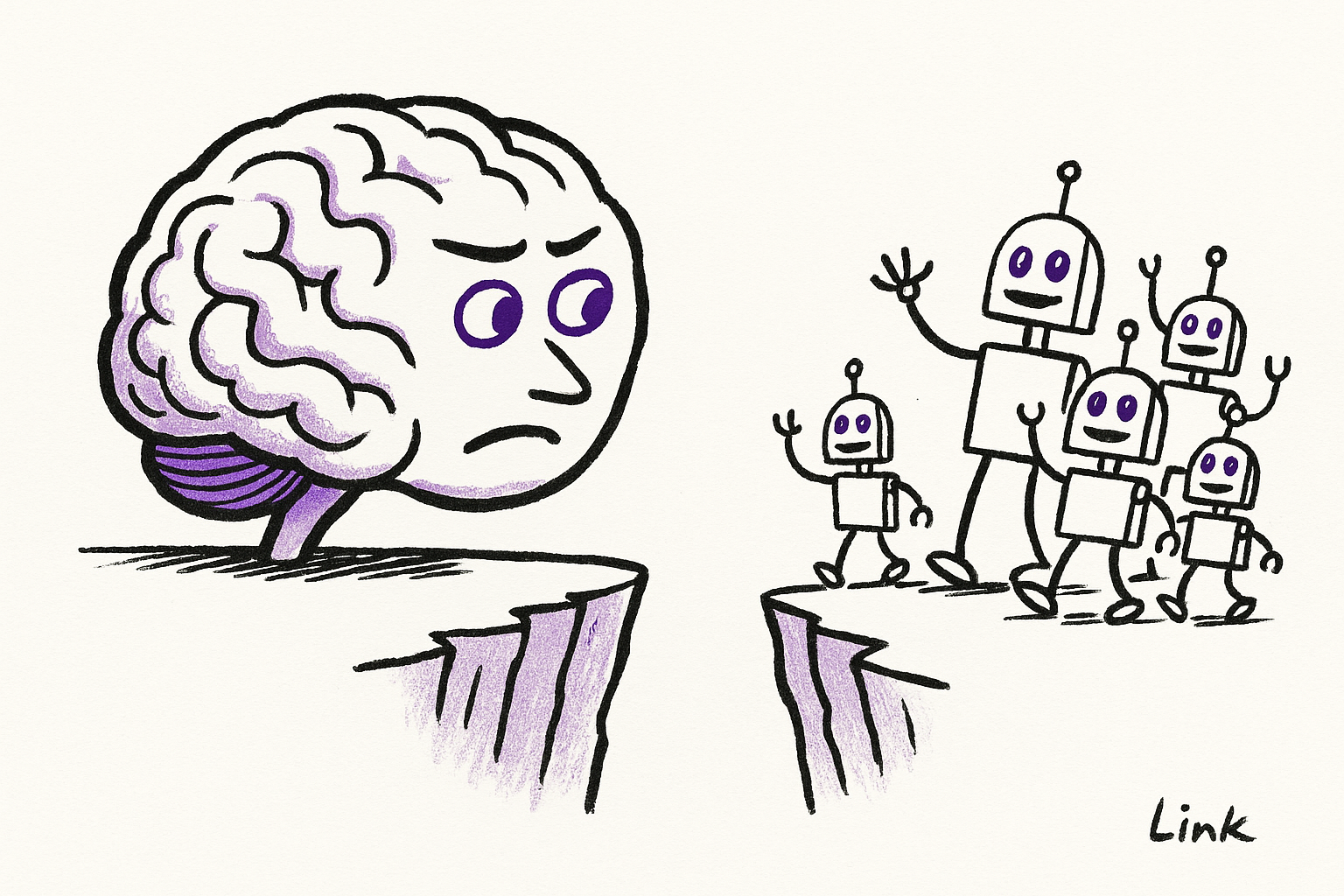
The Category Benchmark Trap: Why the Neuroscience Behind Premium Pricing Won't Survive Agentic AI

The Stanford/Caltech wine study proved that price signals literally alter brain pleasure — your brain experiences more quality when it expects more quality. Brands have built premium positioning on this mechanism for decades. But agentic AI is about to strip that mechanism out of the purchase decision, and the brands most at risk are the ones that never built emotional equity independently of their price point.

Read more →