Capture buyers in the 48-hour window
Convert customers ready to buy in the next 48 hours without blanket discounts
Execute a two-week surprise co-brand mini-drop to lift immediate purchases and measure short-window code redeems; I need sign-off to run Dec 01–15, 2025 and lock the guardrails.
Limited co-brand drops consistently lift early-window share and redeem-to-purchase rates versus broad promos. That pattern suggests a small group of buyers decide almost immediately when offered a scarce, partner-backed item. These buyers are profitable if we can capture them without moving to wide discounts, because they would have bought anyway in the near term. Focus: convert the people who are ready in 48 hours and protect margin.
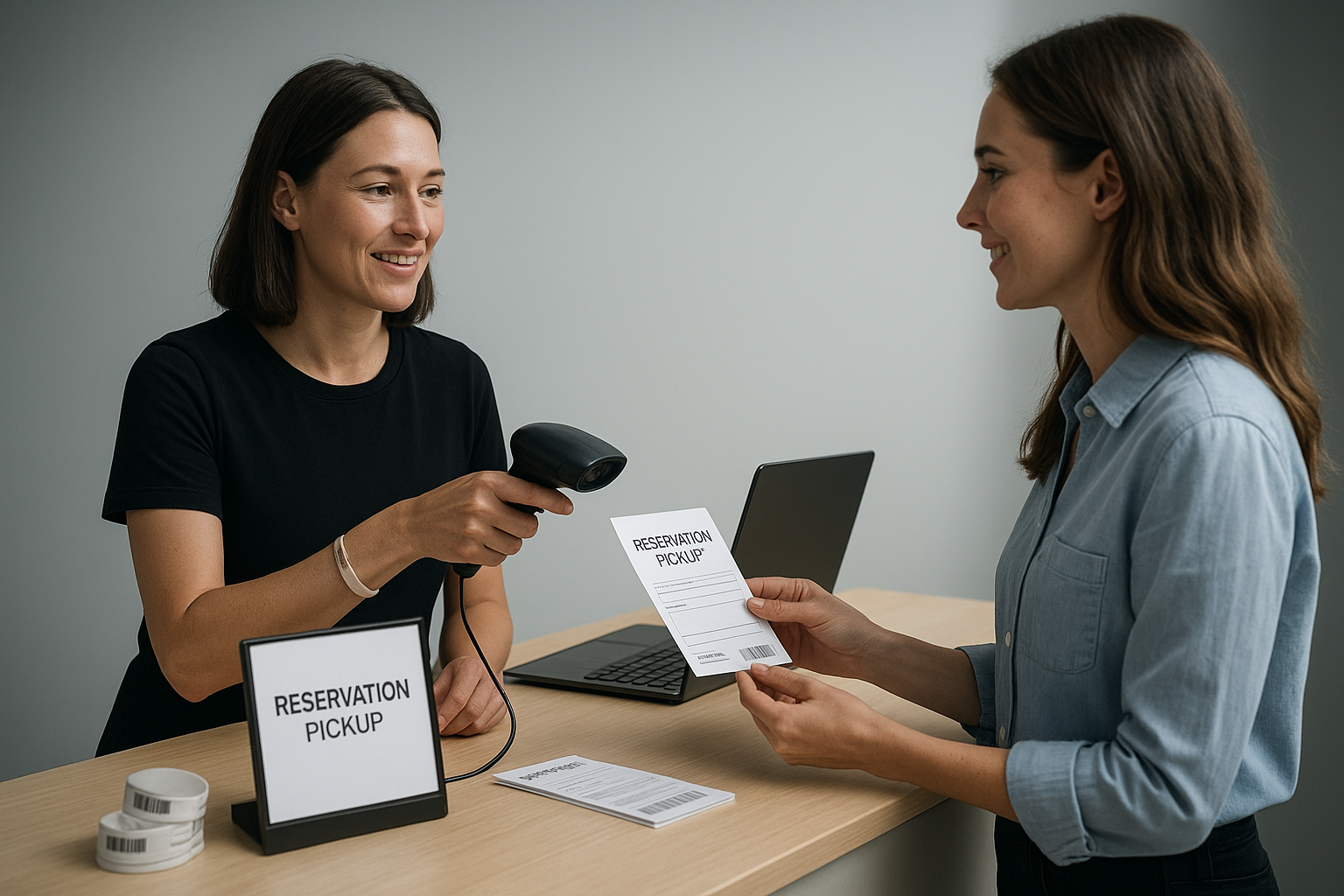
Run a two-week surprise co-brand mini-burst across web and three micro-pop stores during Dec 01–15, 2025 as a focused test of the collab-led holiday approach. Keep it simple: a surprise drop, unique tracked promo codes for exposed cohorts, locked fulfillment options (reserve or same-day pickup), and a planned-announcement control to compare timing. Finance sets a hard event CPA ceiling up front and requires daily reporting; brand owns the exposure cadence and creative. If you run this for two weeks, watch how much of the period’s purchases happen inside the early window.
Shifting purchase timing into the early window turns delayed consideration into realized sales now instead of uncertain pipeline. If early-window share moves to the 25–35% band, stores will feel it as more immediate sell-through, fewer hesitant returns, and clearer pick-up traffic. On the floor you will see shorter inventory dwell, steadier staff conversion moments, and a cleaner promotional profit picture than mass discounts deliver. That change paginates into less markdown pressure across the season.
The first thing that breaks is masking: a noisy channel mix can make early-window lifts look bigger than they are if exposure attribution is sloppy. Scarcity oversell and fulfillment failures will be visible in missed reserve pickups and rising customer complaints inside the two-week window. Watch redeem-to-purchase conversion and daily CPA; a rising CPA or falling conversion inside 14 days signals either bad targeting or cannibalization. We will also monitor repeat rates over 60–90 days to ensure we did not trade short-term timing for long-term churn.
I propose the two-week Short Window Co-Brand Drop pilot as the disciplined test: brand builds the VIP exposure and planned-announcement control, promotions issues tracked codes and exposed audience counts, stores lock reserve and same-day pickup flows and report foot-traffic uplift, partnerships confirm partner-funded media and committed deliverables, and finance sets the event CPA ceiling and enforces daily reporting. Approve the Dec 01–15, 2025 two-week surprise co-brand drop pilot and commit brand, stores, promotions, partnerships, and finance to the launch guardrails and daily measurement.
This window matters because Consumers are signaling compressed decision windows across channels; capturing intent inside those windows preserves margin and prevents discount escalation., Partnered micro-drops let us borrow trusted audiences and media funding now, reducing our paid acquisition spend while testing urgency mechanics at scale., and Short, instrumented windows produce clear causal readouts quickly, so we can decide to roll, scale, or stop within one planning cycle.
Metrics to watch: Tracked response rate at or above 0.5% measured during the Dec 01–15, 2025 window (code redeems / exposed audience) within the two-week test.; Redeem-to-purchase conversion preserved between 40% and 55% measured over a 14-day post-redeem window for the tracked cohorts.; Early-window purchase share hitting 25%–35% of period purchases where ‘early’ is purchases within 48 hours of exposure during Dec 01–15, 2025.
If that resonates, Approve the Dec 01–15, 2025 two-week surprise co-brand drop pilot and commit brand, stores, promotions, partnerships, and finance to the launch guardrails and daily measurement.
Forward with subject: Approve: two-week surprise co-brand drop pilot (Dec 01–15, 2025)
Visual Notes