Your Customer's Brain Is Running Shortcuts (Use Them)
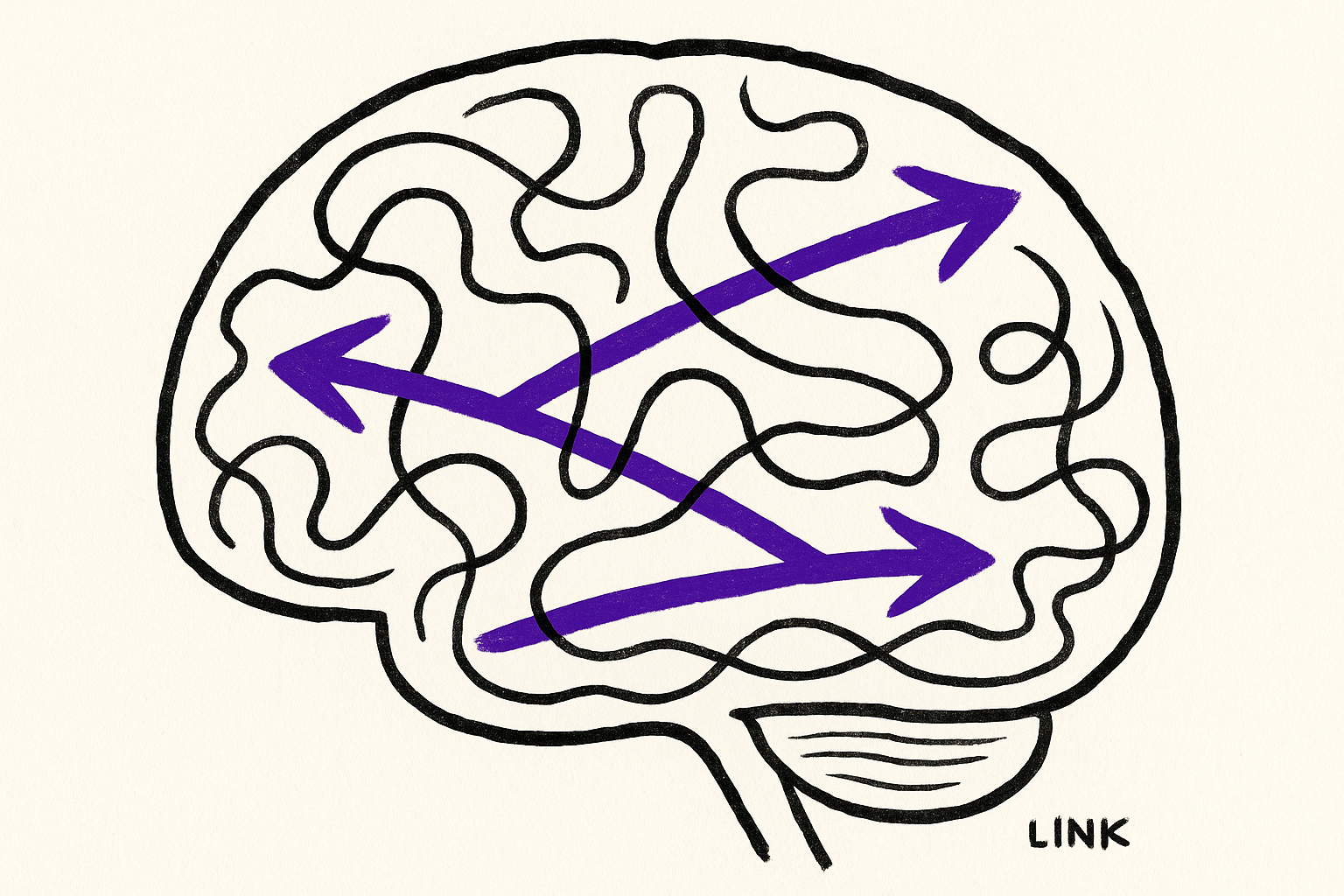
Here's something that should change how you think about your business.
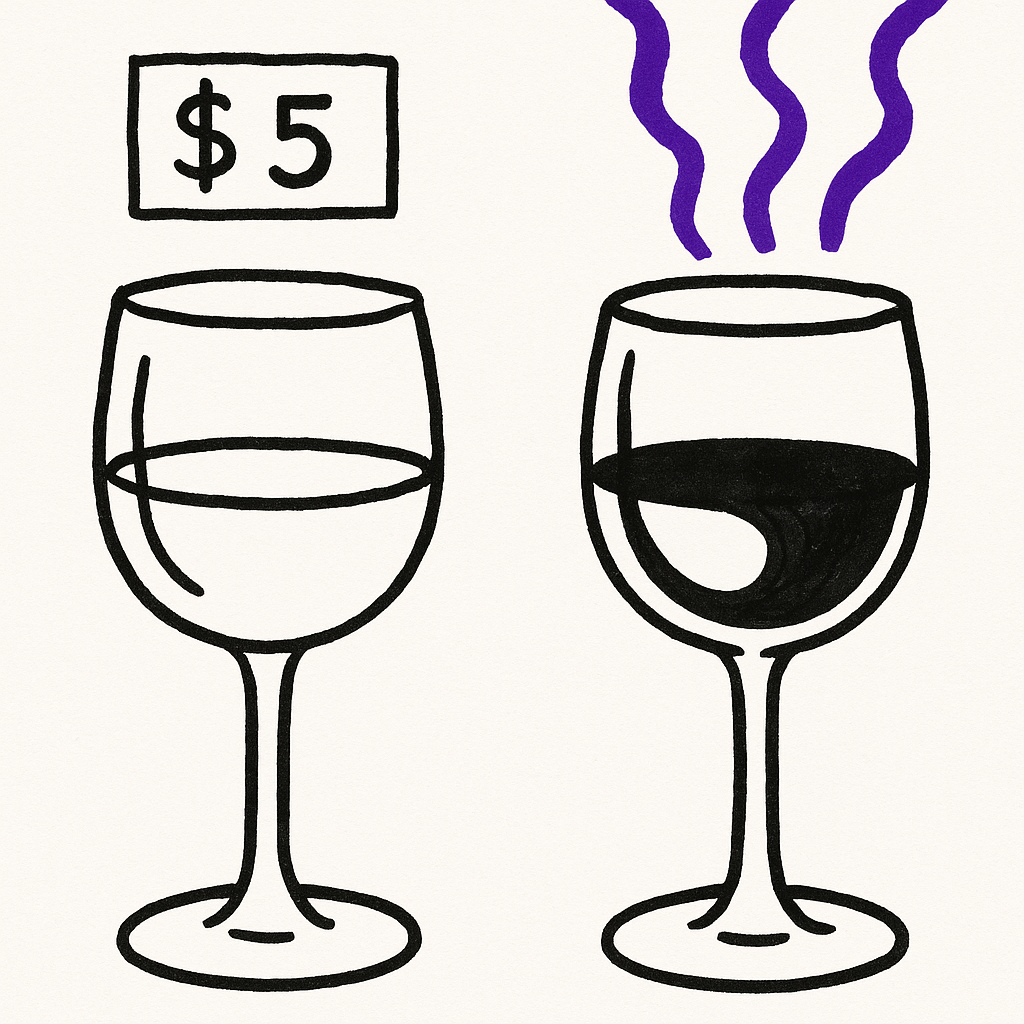
When researchers at Stanford and Caltech gave people the same wine but told them one glass cost $45 and the other $5, brain scans showed the "expensive" wine actually activated more pleasure centers.
Not just self-reported enjoyment. Actual neural activity.
The perception didn't just influence the story they told themselves. It changed the physical experience.
This is the kind of finding that makes neuroscience so useful for operators.
It's not about manipulation. It's about understanding that the brain doesn't passively receive reality. It actively constructs it.
And if you're running a gym, a retail store, or a hospitality venue, you're in the business of constructed experiences whether you realize it or not.
The Brain's BS Detector (And When It Fails)
Your customers aren't stupid.
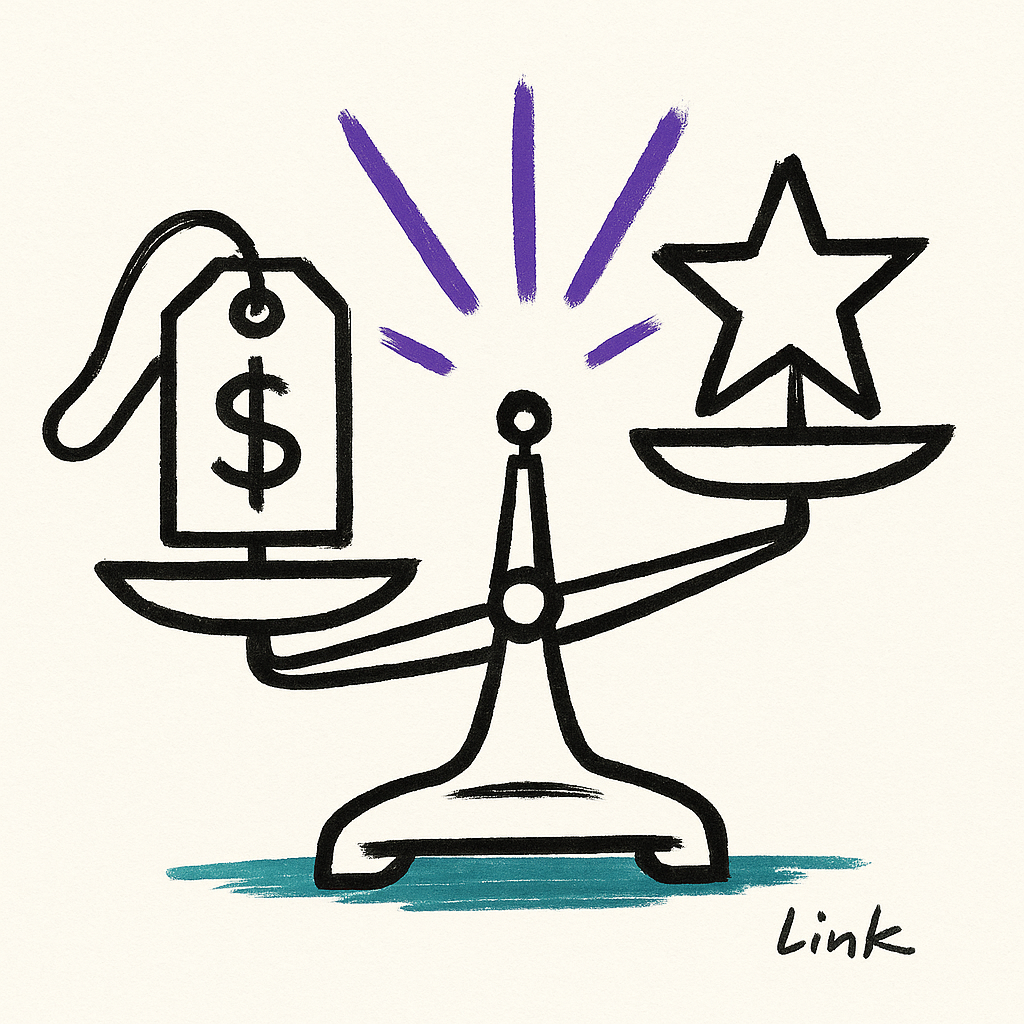
Their brains have evolved remarkably sophisticated pattern-matching systems. Recent research published in Frontiers in Human Neuroscience shows that when prices don't match expectations (a luxury watch for $19.99, a pack of gum for $20) the brain immediately flags incongruence.
This is your customer's built-in BS detector.
It's why cheap-looking premium pricing backfires, and why premium-looking budget pricing triggers suspicion.
But here's the counterintuitive part: this same system that detects incongruence also creates the experience when signals align.
The expensive wine didn't just seem better. It was better, neurologically speaking.
The expectation shaped the reality.
For operators, the implication is clear:
Every signal you send either reinforces or undermines the experience you're trying to create.
The lighting. The texture of the towels. The weight of the menu. The smell when someone walks in.
These aren't nice-to-haves. They're the raw material your customer's brain uses to construct their experience.
Cognitive Scarcity Is Eating Your Conversions
There's another dimension to this that most operators miss entirely: cognitive load.
Behavioral economists studying energy poverty found something fascinating.
When people are under mental strain (stressed, overwhelmed, decision-fatigued) their capacity for good decisions drops dramatically.
The researchers called it "cognitive scarcity," and their practical solutions were surprisingly simple:
- Reduce friction
- Simplify choices
- Leverage social proof
Sound familiar?
Every gym membership sign-up page with seventeen options. Every restaurant menu with forty items. Every retail store with cluttered displays.
All of them are creating cognitive scarcity.
And cognitive scarcity doesn't just make decisions harder. It makes the experience worse.
The brain under load doesn't appreciate options. It resents them.
This is why the most successful operators I work with are obsessively focused on simplification. Not because customers are simple, but because respecting cognitive limits is respecting the customer.
The Dangerous Comfort of Rationalization
Here's where it gets uncomfortable.
Research on what one paper called "Homobiasos" (our species-wide tendency to rationalize) shows that humans don't just have biases.
We have sophisticated systems for protecting ourselves from seeing our biases.
This cuts both ways for operators.
First, your customers will rationalize their experiences.
Give them a premium signal and a good-enough product, and they'll construct a premium experience. Give them a discount signal and an excellent product, and they'll construct a discount experience.
The brain protects its expectations.
Second, and this is harder to hear, you will rationalize your decisions too.
That cluttered store layout you've convinced yourself "gives customers more options"?
That complicated pricing structure you've justified as "flexibility"?
Your brain is probably protecting you from seeing what the data would show.
The research on AI and cognitive bias makes this even more relevant. When people use AI tools that affirm their existing beliefs, they dig in deeper.
The same pattern applies to any feedback loop, including the internal story you tell yourself about your business.
What Operators Can Do Monday Morning
Enough theory. Here's what this means in practice:
Audit your signals
Walk through your space as if you've never seen it.
What expectations are you setting in the first 30 seconds? Do your prices match those expectations? Does every touchpoint reinforce the same story?
Simplify ruthlessly
Take your most complex customer-facing process (membership sign-up, checkout, booking) and ask: what can I remove?
The goal isn't minimalism for aesthetics. It's reducing cognitive load so the brain can experience what you're actually offering.
Price for perception
If you're premium, be premium in every signal. If you're value, own it completely.
The worst position is a mismatch. The brain's BS detector will fire, and you'll get neither the premium experience nor the value credibility.
Question your rationalizations
What decision have you defended for years that you've never actually tested?
What "customer feedback" are you selectively remembering?
The research is clear: we're all running Homobiasos. The operators who win are the ones who build systems to counteract it.
The Deeper Point
Neuroscience doesn't give you tricks to manipulate customers.
It gives you something more valuable: clarity about how experience actually works.
Your customer's brain isn't a passive receiver. It's an active constructor, running shortcuts that evolved over millions of years, constantly predicting and pattern-matching and filling in gaps.
When you understand this, you stop fighting human nature and start designing for it.
The expensive wine really does taste better when the brain expects it to.
The question is: what is your business teaching your customer's brain to expect?
Hass Dhia is Chief Strategy Officer at Smart Technology Investments, where he helps operators apply neuroscience and AI to grow their businesses. He holds an MS in Biomedical Sciences from Wayne State University School of Medicine, with thesis research in neuroscience.