The Agentic Advertising Reality Check
The advertising industry has a new favorite word: agentic. AI systems that plan, execute, and optimize media buys without human hand-holding. It is a compelling vision. The problem is that it relies on capabilities that do not exist yet.
The Protocol Rush
The Ads Context Protocol launched with significant fanfare. Within 100 days, it spawned the Agentic Advertising Organization, committee structures, governance frameworks, and enough working groups to rival a Fortune 500 company. MiQ is running tests in "five-figure territory." An April AGM will seat 40 board members.
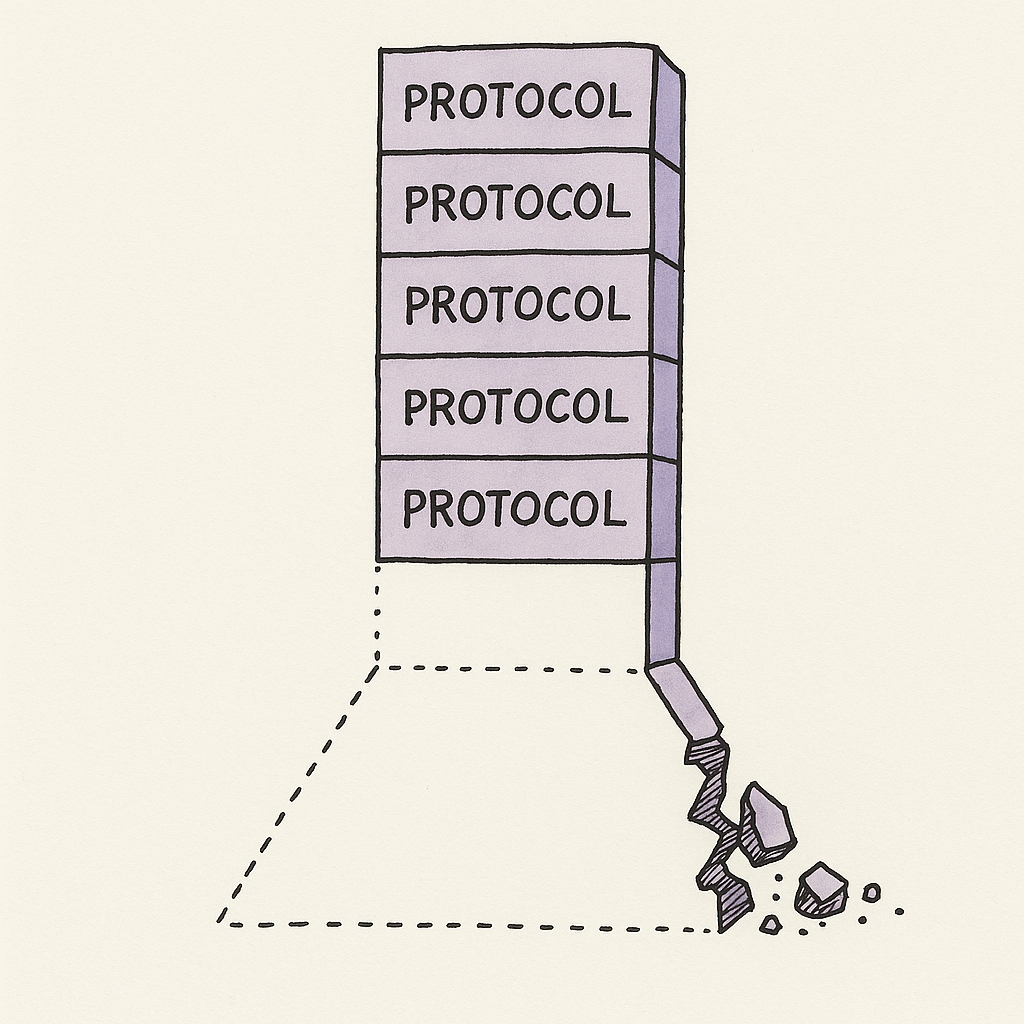
This is how the industry typically responds to technological disruption: standardize first, prove value later. The assumption is that if everyone agrees on the plumbing, the water will eventually flow.
Dr. Aaron Andalman, writing in AdExchanger, cuts through the enthusiasm: "If you are feeling pressure to 'do something' about Ad Context Protocol, you are not alone." His critique is straightforward - standardized workflows provide infrastructure, not intelligence. Creating universal processes does not account for the contextual nuances required in performance marketing, where success depends on situation-specific optimization rather than generic processes.
The Transparency Problem
Louisa Wong, CEO of MINT, raised a concern that should give everyone pause: the ecosystem "isn't ready for the level of transparency this actually requires."

Think about what agentic buying implies. AI systems making autonomous decisions means those decisions need to be auditable. Every placement, every bid, every optimization choice becomes visible. For an industry built on information asymmetry - where the gap between what agencies know and what brands know has been a profit center - this is existential.
Craig Tuck from Ozone framed it as a risk: "decreasing transparency and control rather than increasing." The concern is not hypothetical. Agentic systems could automate existing opacity, making it harder to understand how decisions get made while creating the appearance of technological sophistication.
What Humans Actually Do
While the industry debates AI protocols, neuroscience research offers a humbling reminder about how humans actually process information.
A study in Frontiers in Human Neuroscience examined price perception using EEG and MEG imaging. The finding: when prices deviate from expectations, the brain generates an N400 response - a negative electrical deflection that peaks about 400 milliseconds after seeing the price.
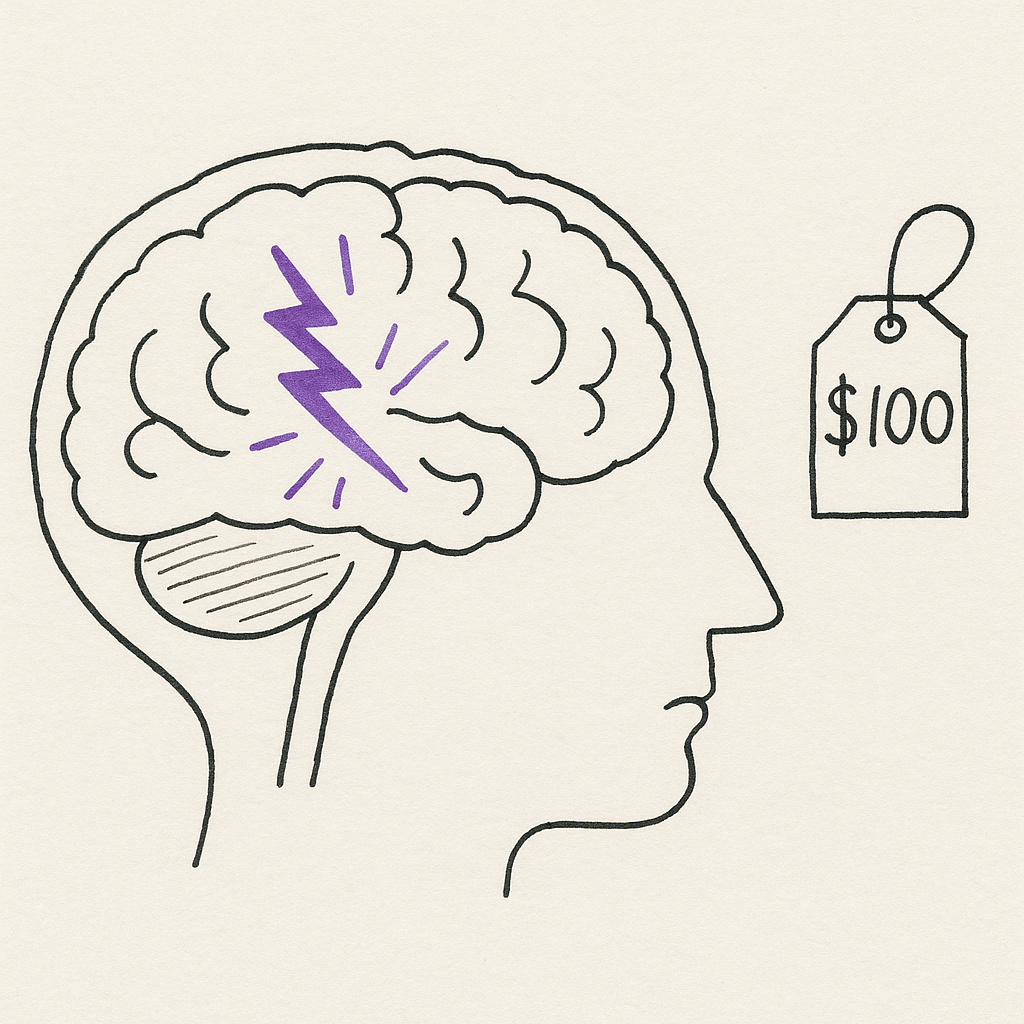
Four hundred milliseconds. That is how long it takes for your brain to flag that something is wrong with a price. The decision happens before conscious deliberation begins. The ventromedial prefrontal cortex and anterior cingulate cortex - regions handling reward-based learning and outcome evaluation - activate automatically.
This is not a detail for marketers to optimize around. It is a fundamental constraint on what optimization can achieve. Humans have hardwired expectations, and extreme deviations trigger neurological warnings before any rational evaluation occurs. No workflow standardization changes this.
The Real Gap
The agentic advertising conversation assumes that better coordination between AI systems will produce better outcomes. But the gap is not in the protocols. It is between what these systems can actually do and what the marketing suggests they will do.
Anthony Katsur from IAB Tech Lab urged "closer collaboration to ensure interoperability." Ruben Schreurs from Ebiquity noted that AdCP "was just the first initiative," with additional open-source projects underway. The machinery of standardization is working exactly as designed.
What is missing is evidence that any of this improves campaign performance. The pressure to adopt emerging standards should not overshadow the question of whether those standards deliver measurable value.
The neuroscience research offers a useful frame: evaluate these developments pragmatically rather than adopt them as prerequisites for AI-driven media buying. If human brains make pricing judgments in 400 milliseconds, and those judgments engage emotional rather than rational circuits, then the limiting factor in advertising effectiveness may not be workflow standardization.
It may be understanding the humans you are trying to reach.