The Intentional Pause: Why Retailers Are Hesitating at the Agentic AI Threshold
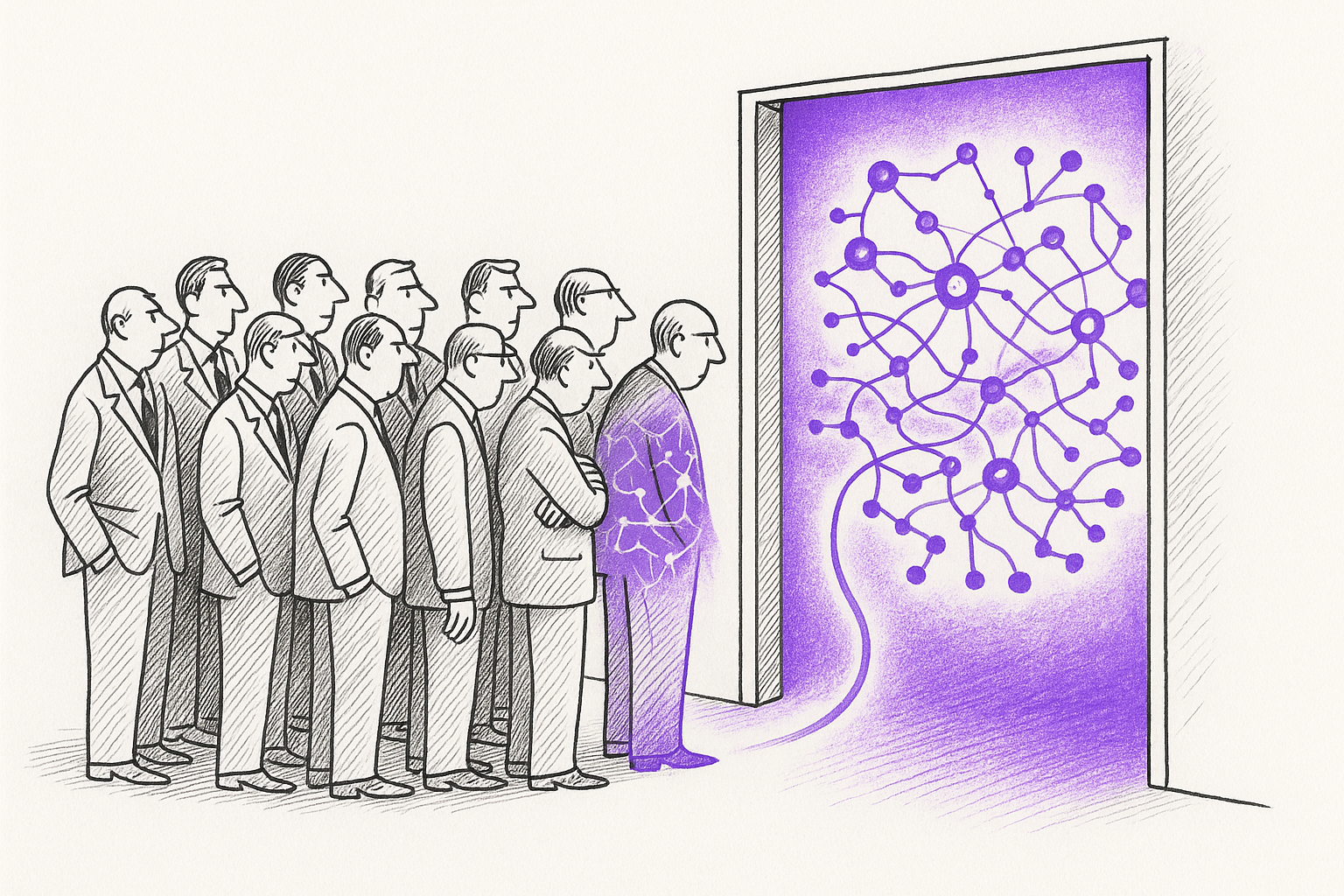
The National Retail Federation's Big Show this week offered a clarifying snapshot of where retail actually stands on artificial intelligence. Not where the marketing copy says it stands. Where the executives, when pressed, admit they're willing to go.
The answer: not very far. At least not yet.
The Accelerant, Not the Decision Maker
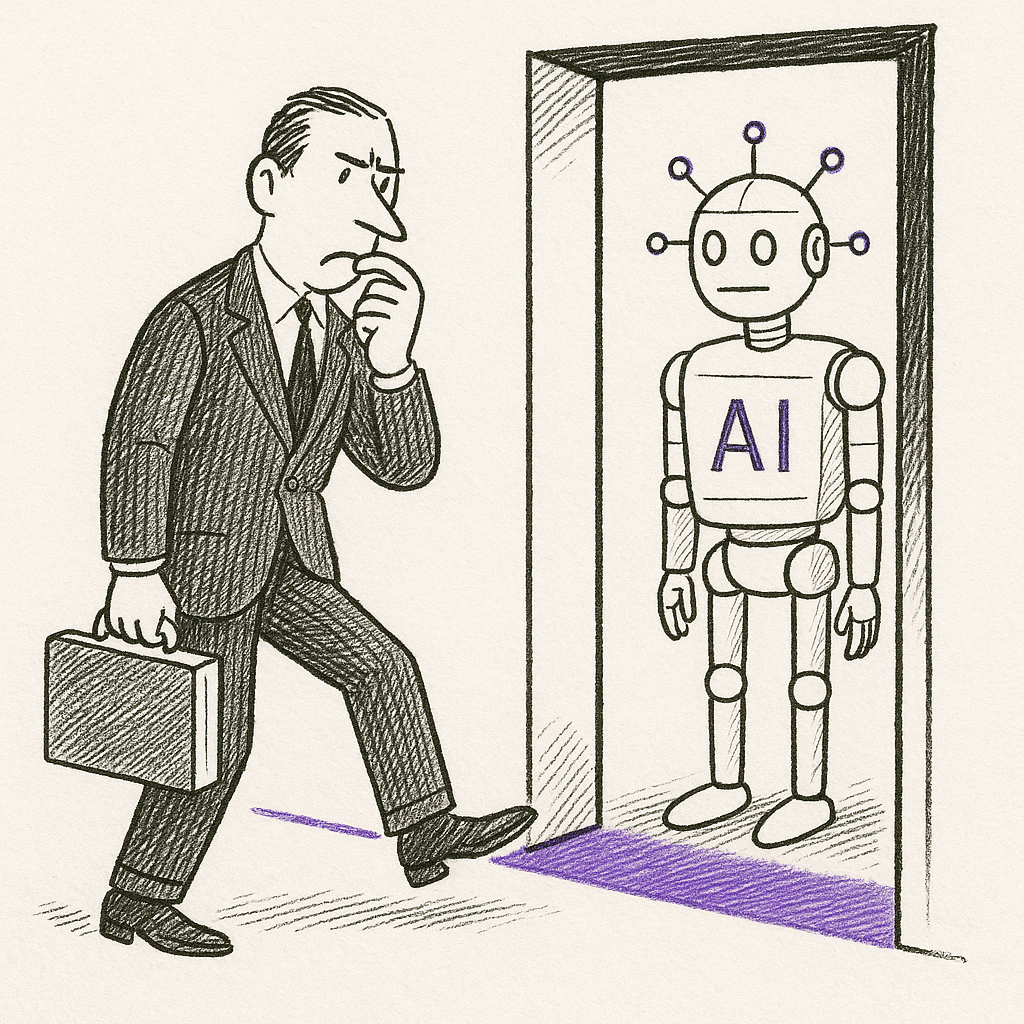
The most revealing theme from NRF 2026 wasn't which retailers are adopting AI. It was the bright line they're all drawing around what AI is allowed to do.
Home Depot CIO Angie Brown described her company as being in "get out and try mode" with agentic AI - exploring tools like Magic Apron for customer questions about home improvement projects. But the framing matters. These are assistive technologies. They help customers understand projects and guide planning experiences. They don't make purchasing decisions.
Wayfair CTO Fiona Tan emphasized "doubling down on learning with the consumer," acknowledging that agentic AI is fundamentally changing how customers research and transact. But her priority is understanding these patterns, not handing over control.
Even PayPal's Mike Edmonds felt compelled to set expectations: "I'm under no false illusion that shopping one day is going to be completely autonomous."
Why the collective caution? The advertising industry's parallel conversation offers a useful answer.
The Data Problem Nobody Wants to Talk About
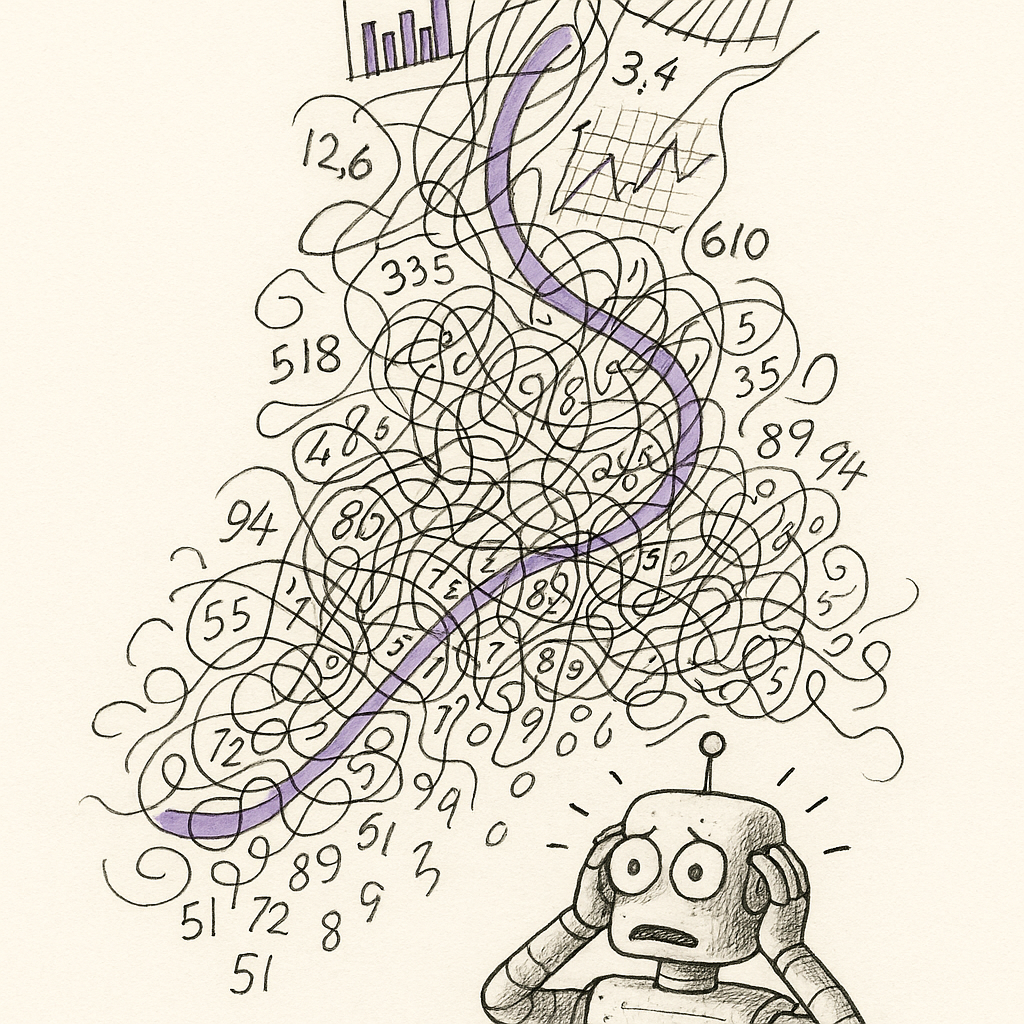
Digiday captured the deeper concern in their coverage of ad industry hesitation around autonomous AI spending. The technical barrier isn't capability - LLMs can absolutely process information and generate recommendations. The problem is reliability.
Tom Swierczewski at Goodway Group articulated it clearly: "unreliable inputs produce unreliable decisions." The advertising industry's data foundation remains compromised by last-click attribution bias, platform silos, audit-resistant metrics, and missing incrementality adjustments. Training autonomous systems on flawed data doesn't improve performance. It scales existing blind spots.
This problem applies equally to retail. Customer behavior data is messy. Purchase history contains anomalies. Recommendation algorithms already struggle with the cold-start problem for new customers and the filter bubble problem for established ones. Adding autonomous decision-making to this foundation doesn't solve anything - it just makes the distortions self-reinforcing.
Paul Boruta, CEO of ad tech platform Slingwave, framed the core tension: the industry needs AI to manage complexity and accelerate workflows, but "it should not hand that intelligence to systems that are optimizing toward the wrong signal."
What's Actually Happening vs. What's Being Marketed
The gap between AI marketing and AI reality was visible throughout NRF. Ulta Beauty provides a useful case study.
CEO Kecia Steelman spoke ambitiously about leveraging AI to "take our business to the next level" through personalized recommendations that feel like one-on-one interactions. Josh Friedman, their SVP of e-commerce, disclosed that Ulta is actively developing proprietary AI agents.
But read the details carefully. Most of Ulta's sales occur in physical stores. Their AI priority is strengthening associate product knowledge and customer interactions - not replacing them. The agents they're building are part of a roadmap still under development, with specific use cases still being identified.
This is the pattern across retail: ambitious language, cautious implementation. And that caution is probably appropriate.
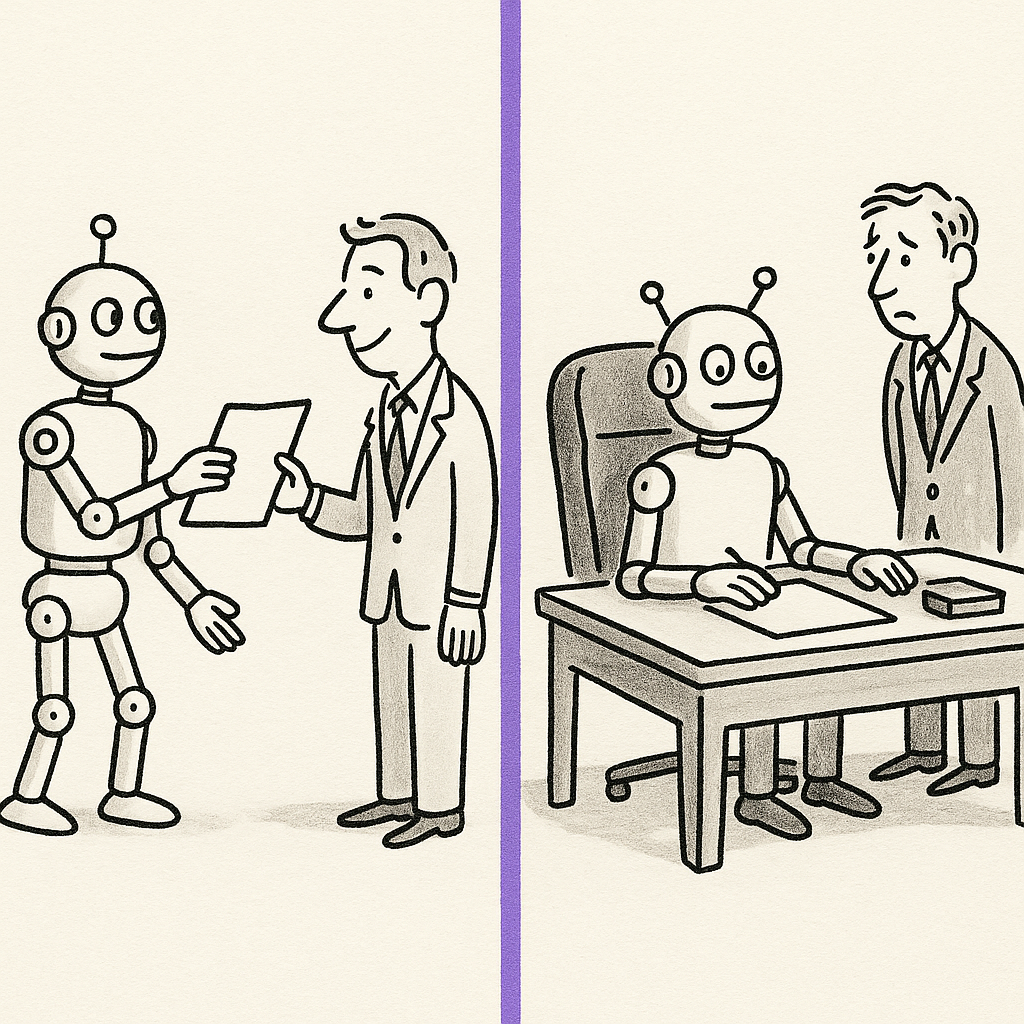
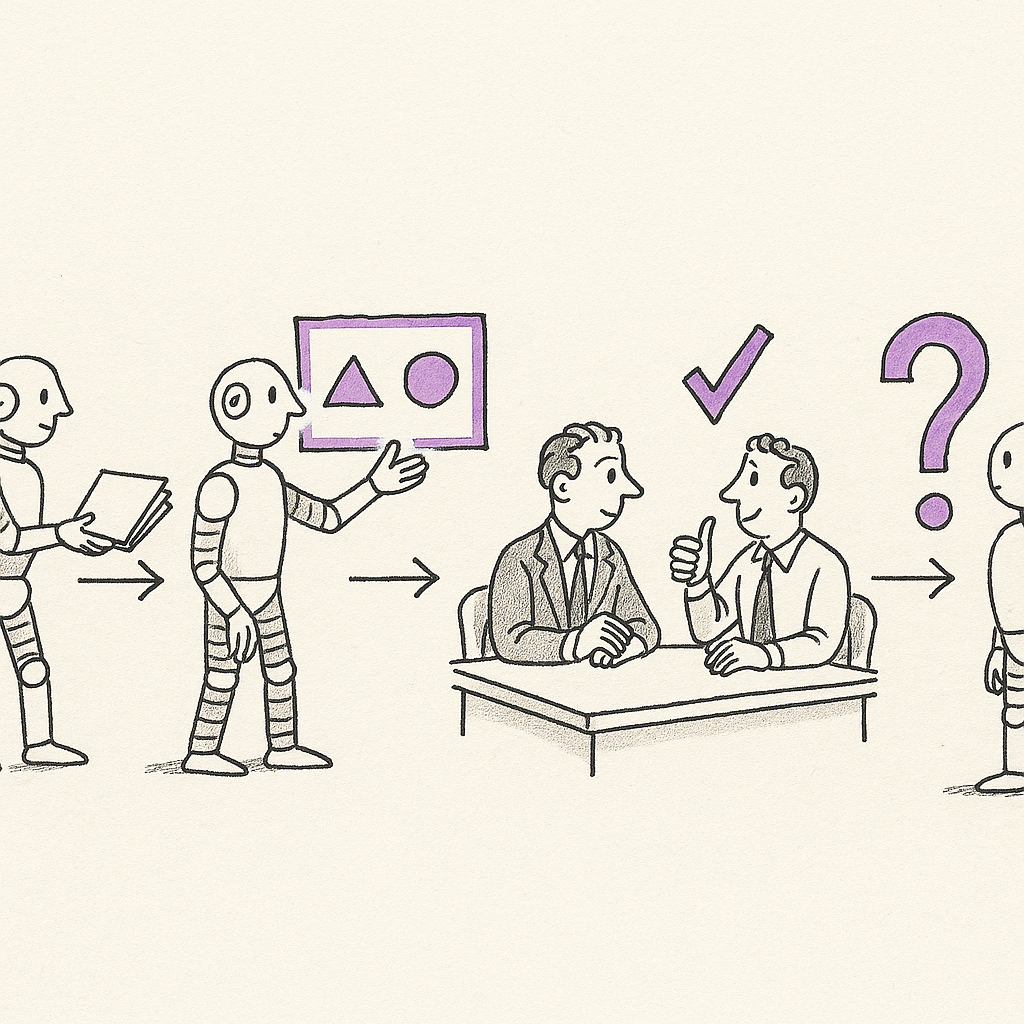
The PubMatic example from Digiday illustrates current best practice. In their campaign with agency Butler/Till, an LLM translated a human brief into a structured media plan. PubMatic's AI systems then mapped that plan to inventory and audiences. All final parameters received human approval before launch.
As Nishant Khatri at PubMatic put it, the industry is "intentionally being cautious on what we're directly and entirely attributing to agentic systems at this stage."
The Structural Question Underneath
Meanwhile, VF Corp's brand leaders at NRF were discussing transformation strategies that had nothing to do with AI at all.
The North Face is doubling down on core performance categories - snow, climb, and trail. Timberland is pursuing cultural partnerships with Spike Lee and fashion collaborations with Louis Vuitton. Vans is working to expand beyond skateboarding into broader lifestyle positioning.
These are strategic decisions made by humans based on market understanding, brand heritage, and competitive positioning. No LLM generated these strategies. No autonomous agent determined that Timberland should target younger consumers through celebrity partnerships.
The real question emerging from NRF isn't whether AI will transform retail. It will. The question is what decisions humans want to retain. And at the moment, the answer appears to be: the important ones.
Adam Roodman, GM of Yahoo DSP, was explicit about maintaining this boundary: nothing currently suggests "an LLM will take the place of bidding logic." The same principle applies to brand strategy, store experience design, and customer relationship management.
The transformation underway is quieter than agentic AI headlines suggest: labor compression, infrastructure modernization, and gradual capability enhancement. Until someone resolves who controls the system that controls spending - a question mixing technical capability with institutional power - LLMs will optimize workflows and dashboards while humans retain decision authority.
That's not a failure of AI ambition. It's appropriate caution about systems that are still learning to be reliable.
Sources
- How Home Depot, Wayfair executives are preparing for an agentic AI future - Retail Dive
- Ulta teases future AI use cases - Retail Dive
- How The North Face, Vans and Timberland are trying to transform their businesses in 2026 - Modern Retail
- 'Intentionally being cautious': Why the ad industry isn't ready to let AI agents spend ad dollars - Digiday