The Attention Economy Pivot
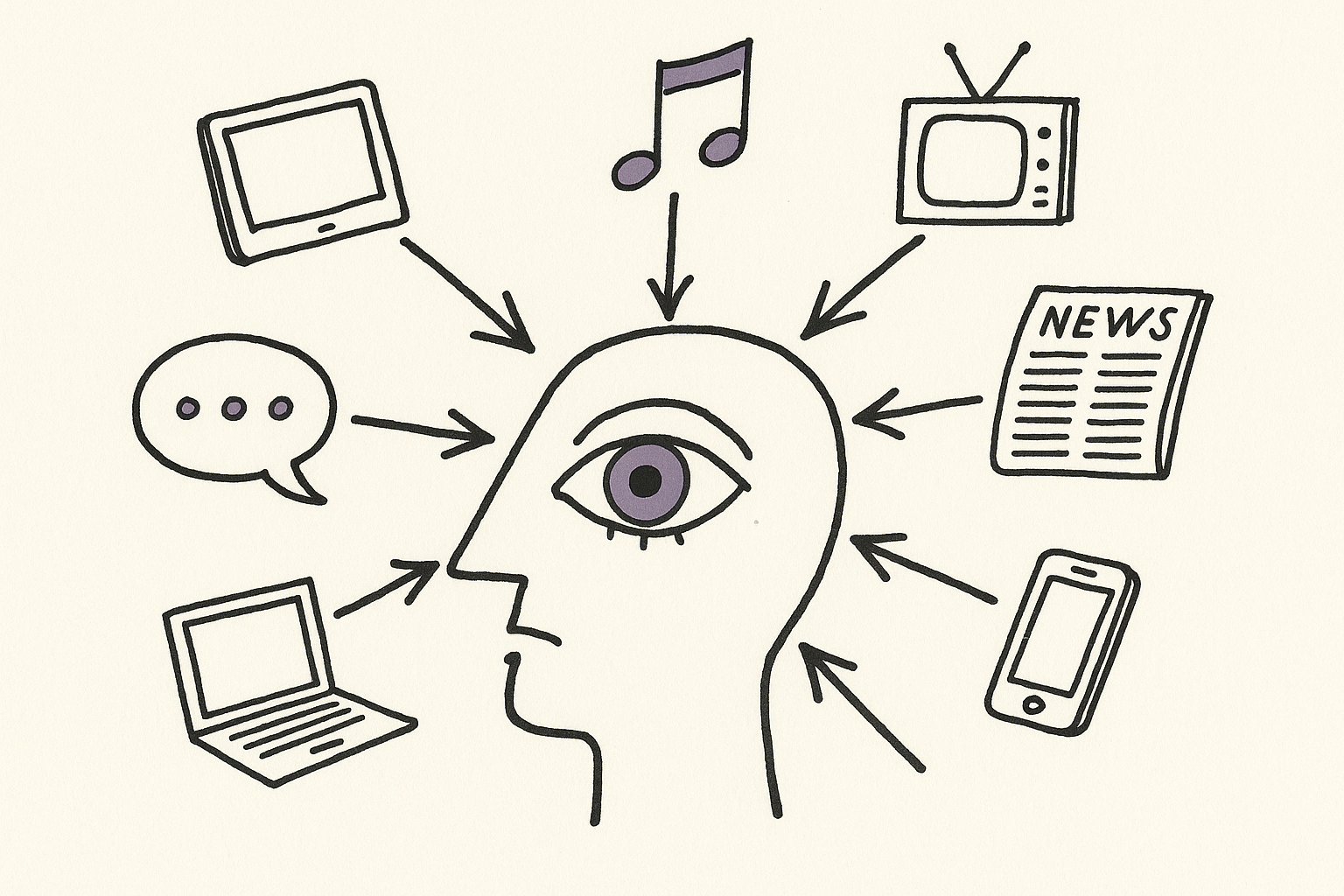
Four headlines landed this week that look unrelated but tell the same story.
OpenAI announced it will pilot ads in ChatGPT. Coca-Cola created its first Chief Digital Officer. Gap hired a Paramount executive to run something called "fashiontainment." And the Louvre raised prices 45% for non-European visitors.
Each organization is making the same bet: attention has moved, and they need to follow it.
The Intent Capture Race
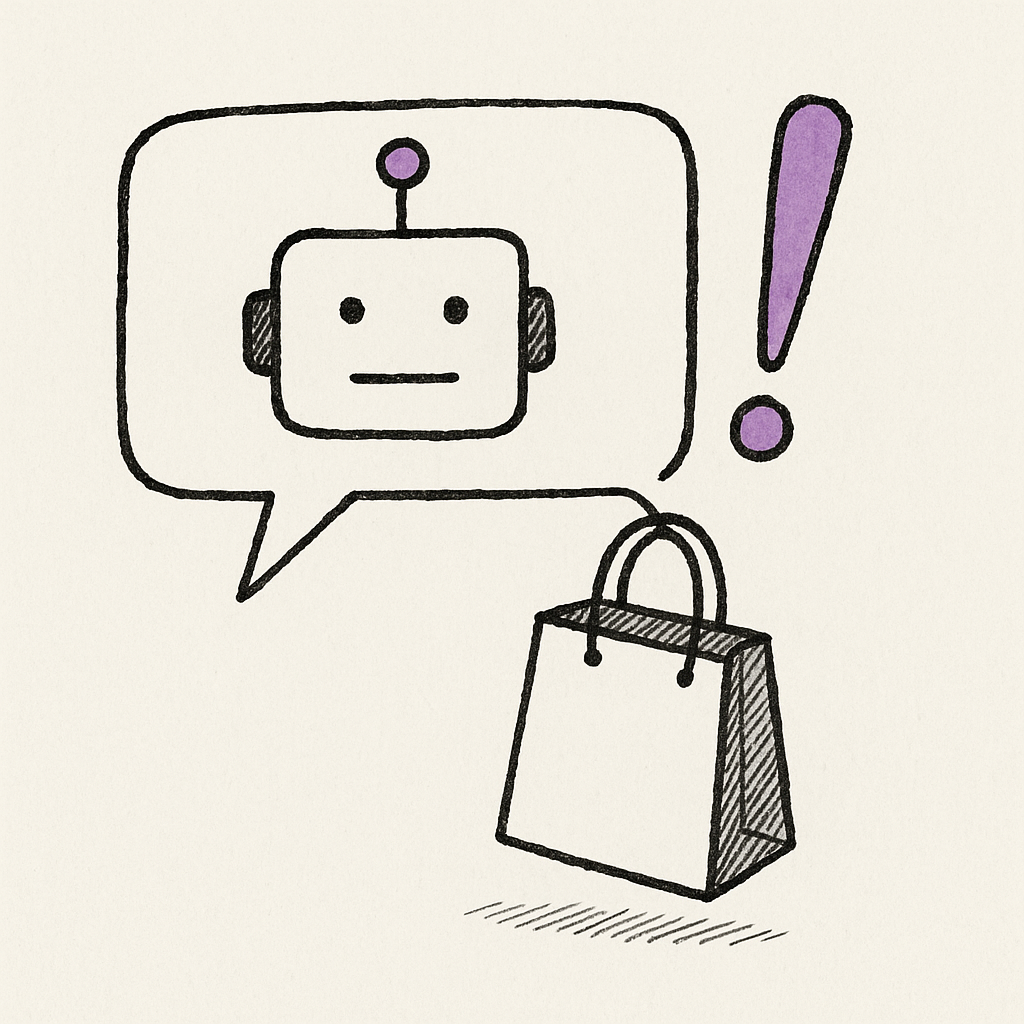
OpenAI's ad announcement is the most explicit version of this shift. They're piloting sponsored placements in ChatGPT for free and low-tier users, with ads appearing at the bottom of responses when relevant to conversation topics.
The sample mockup showed lodging recommendations during trip planning. That's not accidental. Travel brands now have access to users at peak commercial intent - the exact moment someone asks "where should I stay in Santa Fe?"
This is different from Google's model. Search captures intent after someone knows what they want. Conversational AI captures intent while someone is figuring out what they want. That earlier moment is more valuable because it shapes the decision rather than just fulfilling it.
Critics worry about neutrality getting blurred by commercial influence. That's a valid concern, but it misses the larger point: this was always going to happen. The question was never whether AI platforms would monetize through ads, but how and when.
Digital Transformation Gets a Seat at the Table
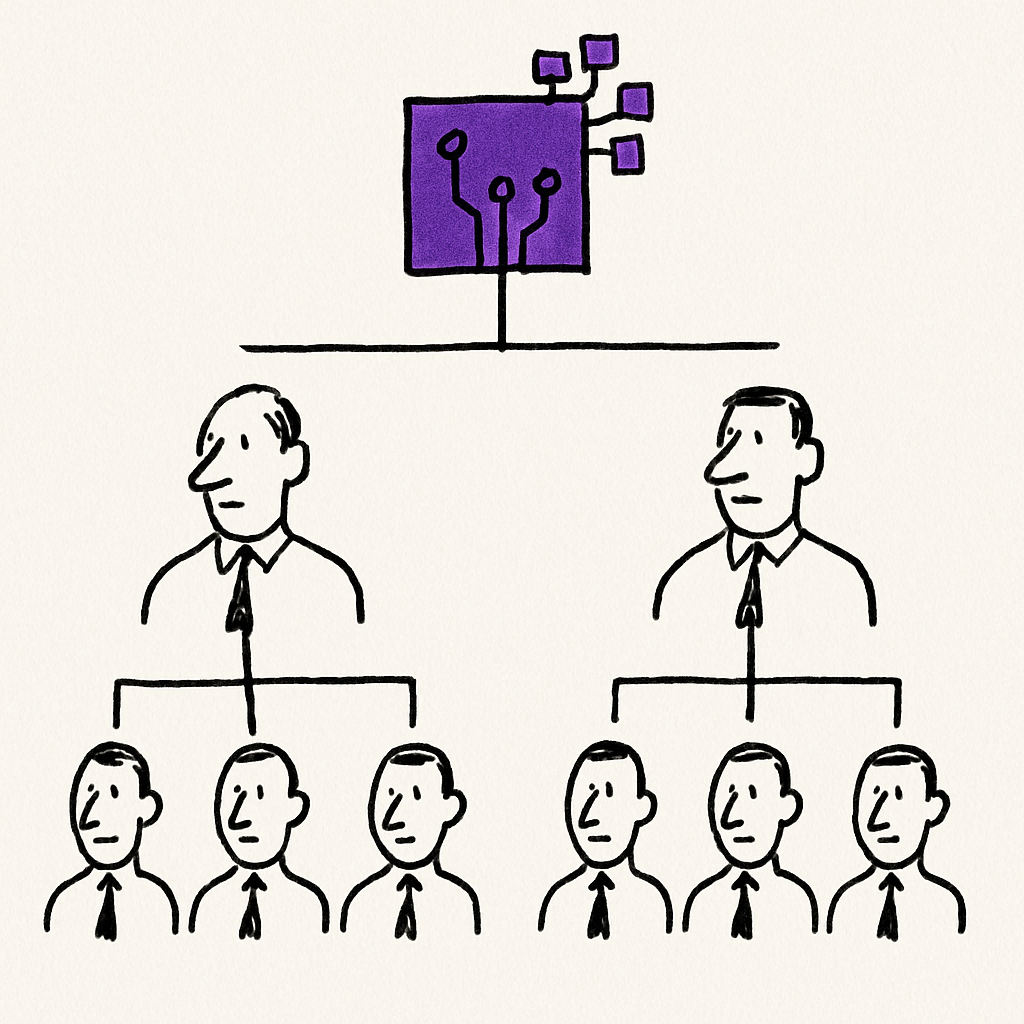
Coca-Cola's announcement was quieter but equally significant. Sedef Salingan Sahin becomes their first Chief Digital Officer, reporting directly to incoming CEO Henrique Braun. Meanwhile, CMO Manolo Arroyo's title expands to Chief Marketing and Customer Commercial Officer.
The interesting part isn't that Coke is doing digital transformation - every company claims to be doing that. It's that digital now gets its own C-suite seat rather than being buried under IT or marketing.
Sahin's mandate covers "digital, data, and operational excellence across the entire enterprise." That's not a technical role. It's a strategic one. Her background running Coke's Eurasia and Middle East operations suggests they want someone who understands how digital strategy connects to business outcomes, not just technology implementation.
The CMO role expansion is the other half of this story. Customer and commercial leadership moved from the CFO to the CMO. Marketing is no longer just about messaging - it's about the entire customer relationship.
Entertainment as Retail Strategy
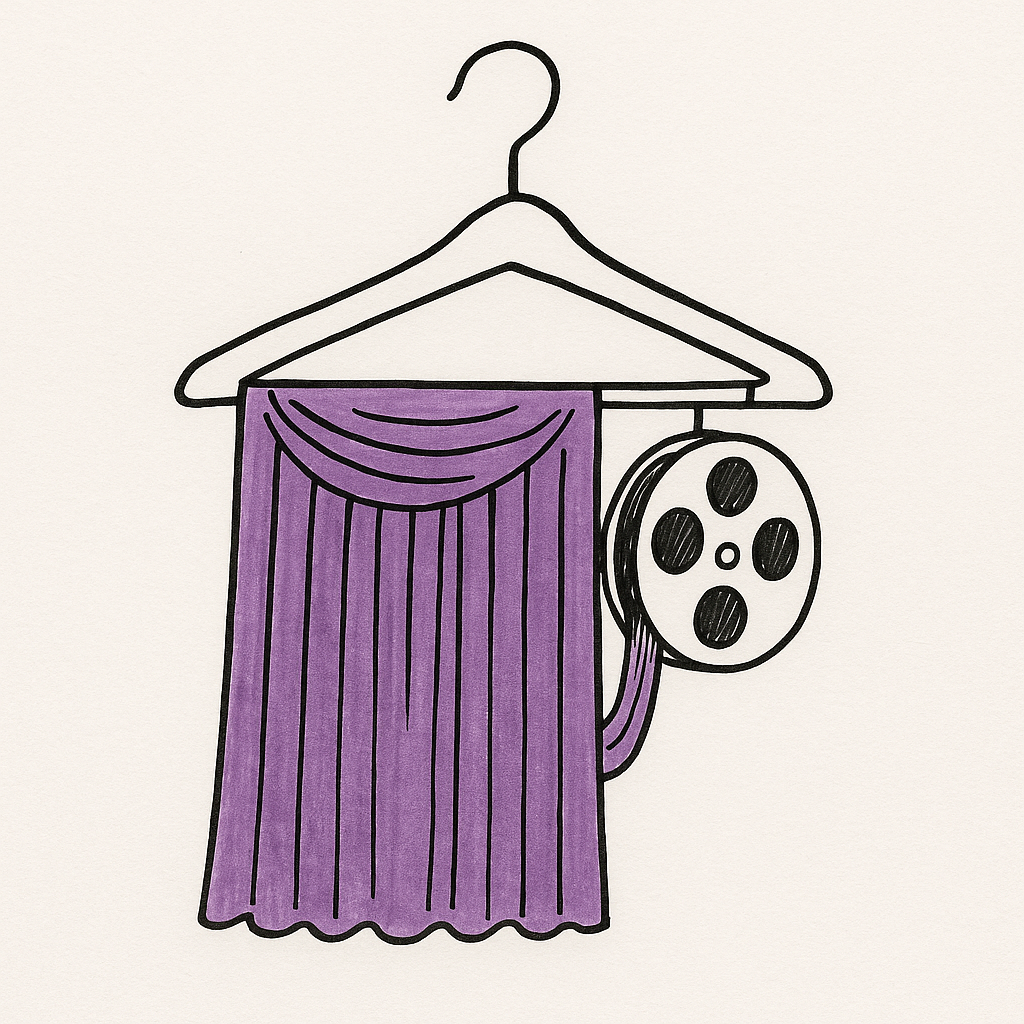
Gap's hire of Pam Kaufman as Chief Entertainment Officer sounds like corporate buzzword theater until you look at her actual job description. She's responsible for music, television, film, sports, gaming, consumer products, and strategic collaborations.
Gap isn't just hiring a marketing executive. They're building an entertainment platform that happens to sell clothes.
CEO Richard Dickson put it directly: "Fashion is entertainment." The company has been quietly getting its cultural relevance back through campaigns like "Better in Denim" with Katseye and collaborations with Harlem's Fashion Row. Kaufman's job is to systematize and scale that approach.
This might sound like Paramount-style content strategy applied to retail, and that's exactly what it is. Kaufman spent years at Paramount extending intellectual property into fashion-forward expressions. Now she's applying those same playbooks in reverse - extending fashion brands into entertainment content.
The underlying logic is simple: consumers don't separate entertainment from shopping anymore. They scroll TikTok and buy what they see. They watch a show and want the character's outfit. Traditional retail fought against this fragmented attention. Entertainment-driven retail flows with it.
Price Discrimination Follows Attention
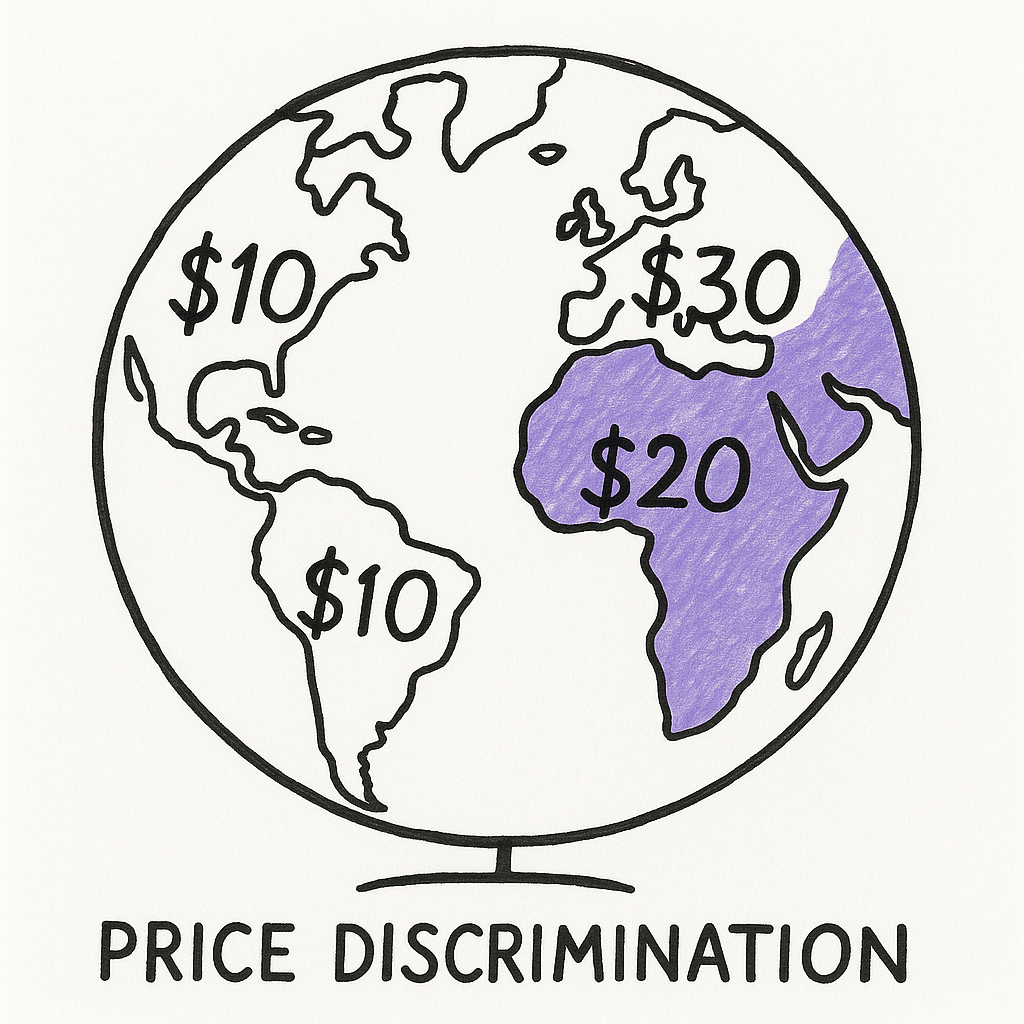
The Louvre's 45% price hike for non-European visitors seems unrelated to these digital stories, but it's actually the same pattern.
When the Louvre raised standard tickets from 22 to 32 euros for non-EU visitors, they were making a bet about attention and willingness to pay. The Mona Lisa is still the most photographed artwork in the world. That cultural attention translates to pricing power.
The museum framed this as funding for their "Louvre - New Renaissance" renovation project, which could cost 800 million euros over a decade. But the mechanism is pure demand segmentation. EU residents and citizens under 26 still get the old rates. Foreign tourists, especially Americans, pay more because the Louvre believes they will.
France's CGT labor union called this discriminatory. They're not wrong. But similar dynamics are playing out everywhere - US national parks raised fees for non-residents, Japan added travel authorization fees, and multiple destinations are increasing costs for foreign visitors.
Institutions are discovering they can charge different prices to different attention segments. That's what happens when you control something people specifically want to see.
What This Means for Brands
These four stories converge on a single observation: attention has reorganized around digital channels, and legacy organizations are restructuring to follow it.
The companies making explicit bets on this shift share a few characteristics. They're elevating digital and entertainment to the C-suite rather than treating them as support functions. They're thinking about intent capture, not just brand awareness. And they're willing to segment customers based on attention value rather than treating everyone the same.
For brands trying to activate through local retail partners, this creates both opportunity and challenge. The opportunity is that physical retail still captures attention in ways digital can't - you can't try on a shirt through ChatGPT. The challenge is that foot traffic keeps declining, which means the attention that does reach physical retail is more valuable and needs to convert.
The organizations winning this transition are the ones treating attention as their core strategic asset. Not their product, not their marketing, not their technology - their attention.
Everything else flows from that.