The Personalization Paradox: How Brands Are Getting AI Exactly Wrong
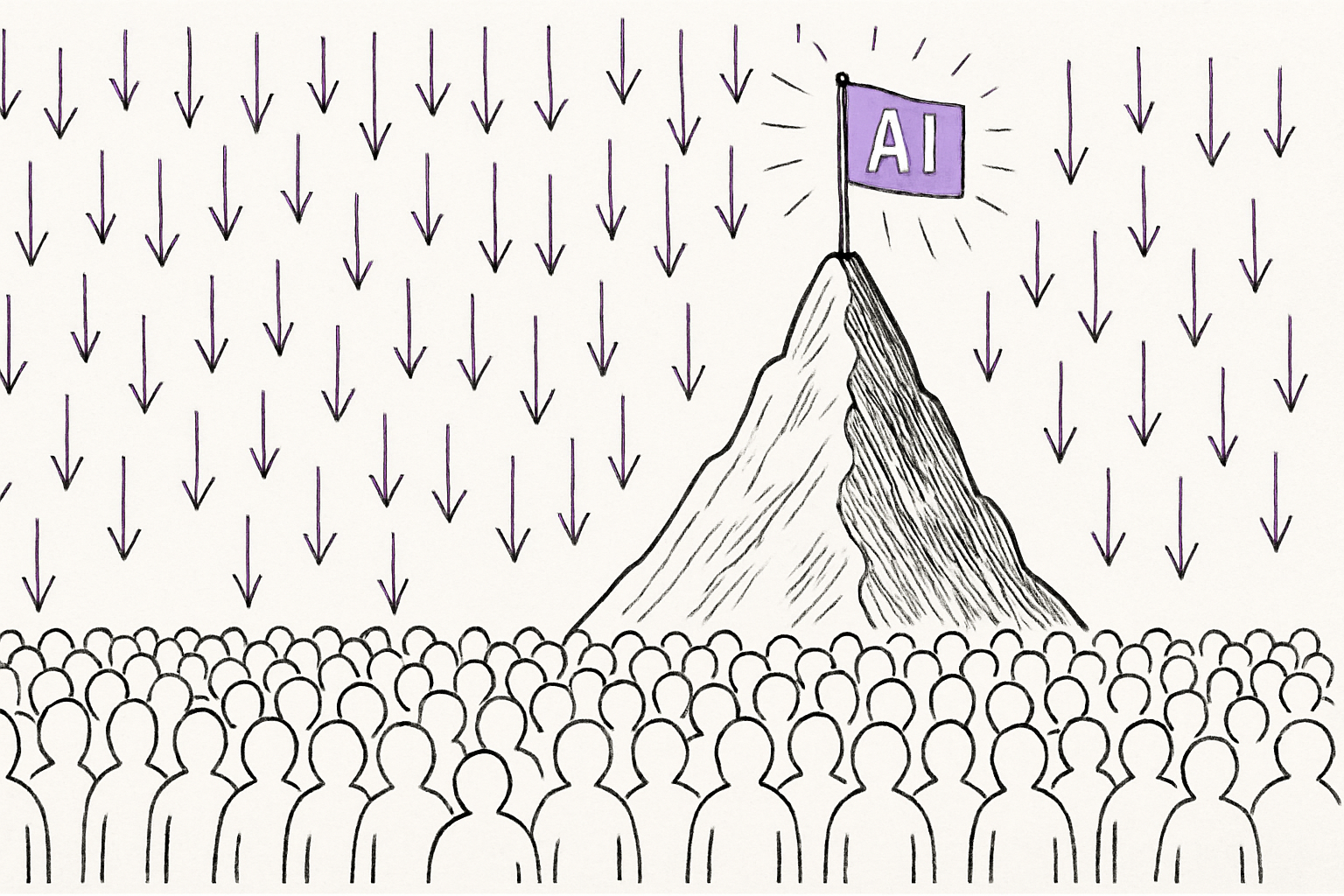
There's a pattern forming in how brands are responding to AI. They're treating AI adoption like a competitive signal - a flag to plant. MoneySuperMarket just announced their ChatGPT partnership is "just the start" of their AI investment. Nvidia's earnings are the most-watched event in finance because everyone understands that AI infrastructure spending is still accelerating. The race is on. But here's what the behavioral science is quietly telling us: racing to adopt AI isn't the same as winning with it.
The Race to Be an 'AI Brand'
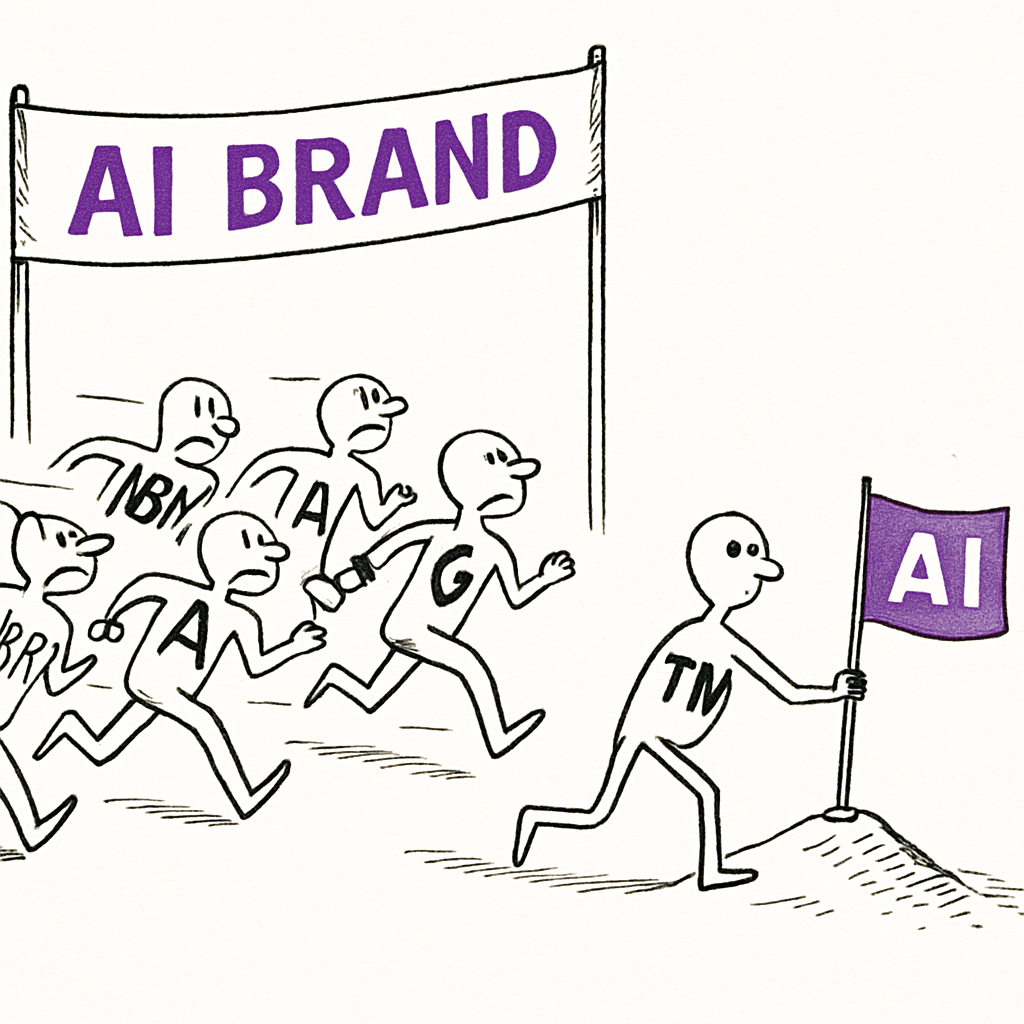
MoneySuperMarket's announcement tells you something important about where we are in the AI adoption cycle. The headline isn't "we're using AI to do X specific thing better." It's that they want to be a "structural winner" - which is another way of saying they're afraid of being left behind. That fear is driving a lot of the current wave.
Nvidia's Q4 results confirm the scale of this. Wall Street is watching these earnings with the intensity of a bellwether because the entire investment thesis for AI depends on continued enterprise spending. The infrastructure investment is enormous and still accelerating. What's less clear is whether the returns will follow the same curve.
The interesting question isn't whether brands should invest in AI. They probably should. The interesting question is: invest in AI to do what, exactly?
When Generic Influence Backfires
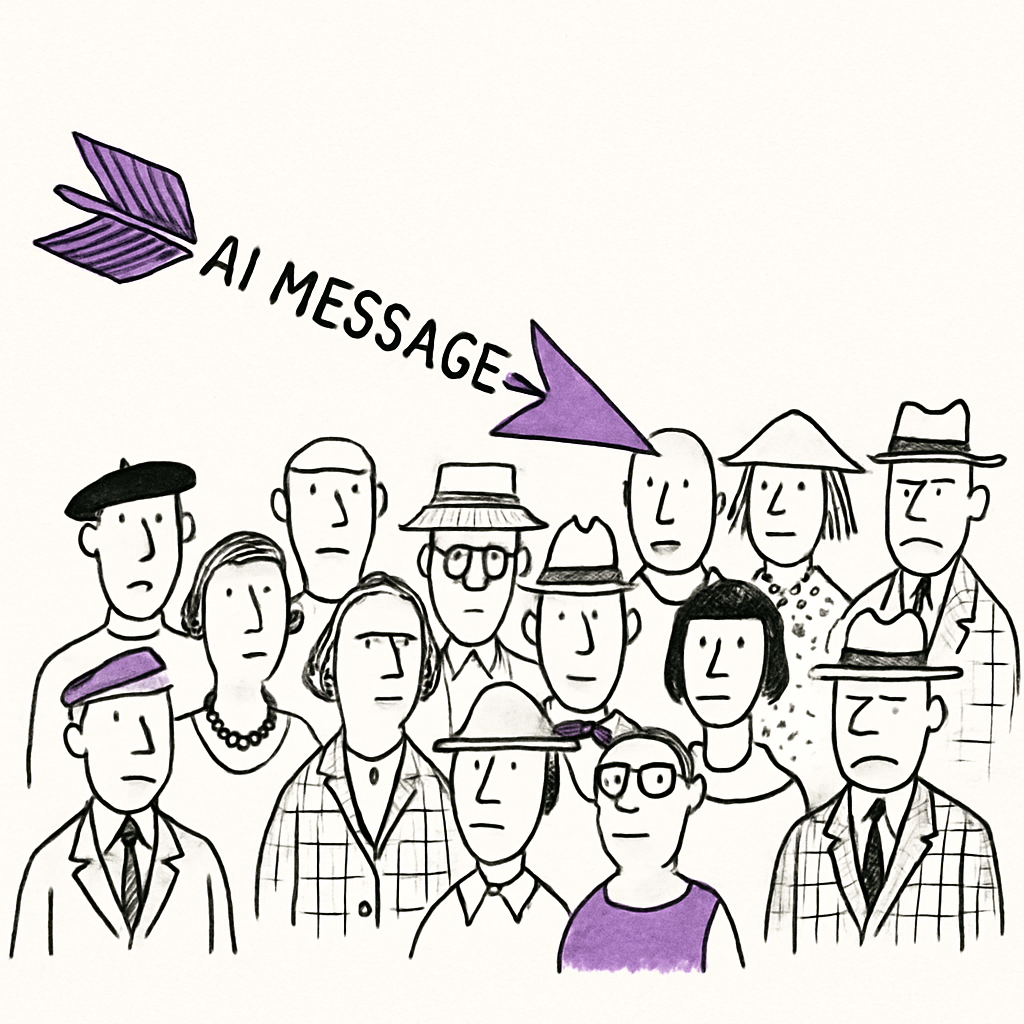
A review of 80 studies spanning four decades gives us a useful piece of data here. The finding is clear: influence strategies that match a person's individual personality are significantly more effective than one-size-fits-all approaches. More importantly, mismatched strategies don't just underperform - they backfire. They actively damage the relationship.
This should be uncomfortable for anyone running AI-powered personalization at scale. The default mode for most AI implementations is optimization - find the message that converts most people, apply it to everyone. That's exactly the one-size-fits-all approach the research flags as problematic. The AI is doing something, but what it's doing may not be what you think.
The brands that will actually win with AI aren't the ones that adopt it fastest. They're the ones that use it to genuinely understand individual personality and behavioral patterns - and then have the discipline to deliver different experiences to different people rather than the single most-optimized experience to everyone.
Brain Capital and the Human Edge

McKinsey's framing of "brain capital" adds another dimension worth considering. The argument is that investing in cognitive health - at the employee, community, and societal level - generates real economic returns. Stronger brains mean more resilient organizations and economies.
For brands, this has a practical implication that often gets overlooked. Your customers' capacity to engage with your marketing, make decisions, and feel good about their purchases is connected to their cognitive and emotional state. An AI that optimizes for click-through rates in a context of depleted attention and decision fatigue is solving the wrong problem.
The brands spending heavily on AI infrastructure should be asking a parallel question: are we investing in understanding the humans at the other end, or are we just getting more sophisticated at pushing?
The Signals You're Missing

While everyone is watching AI adoption metrics and quarterly earnings calls, the signals that predict actual consumer behavior often sit in unsexy datasets. New home starts, as one analysis points out, is one of the most underrated consumer tracking metrics available. When people commit to buying a home, they signal something deep about their confidence, their planning horizon, and their spending intentions. That's hard to fake or reverse quickly.
The irony is that AI should make it easier to integrate these unconventional signals. Better models, more data, faster synthesis. But most brands are using AI to accelerate existing approaches rather than to discover genuinely better ones. The tool is sophisticated. The question being asked is not.
Real sophistication isn't more AI. It's better questions fed into the AI you already have.
Sources
- Building brain capital - McKinsey Insights
- Nvidia Earnings: Live Updates and Commentary February 2026 - Kiplinger
- MoneySuperMarket says ChatGPT tie-up is "just the start" of its AI investment - MarketingWeek
- When Influence Backfires - BehavioralEconomics.com
- The Most Insightful Economic Metric For Tracking Consumers - Branding Strategy Insider