The Real Work of Brand Strategy Is Coordination, Not Communication
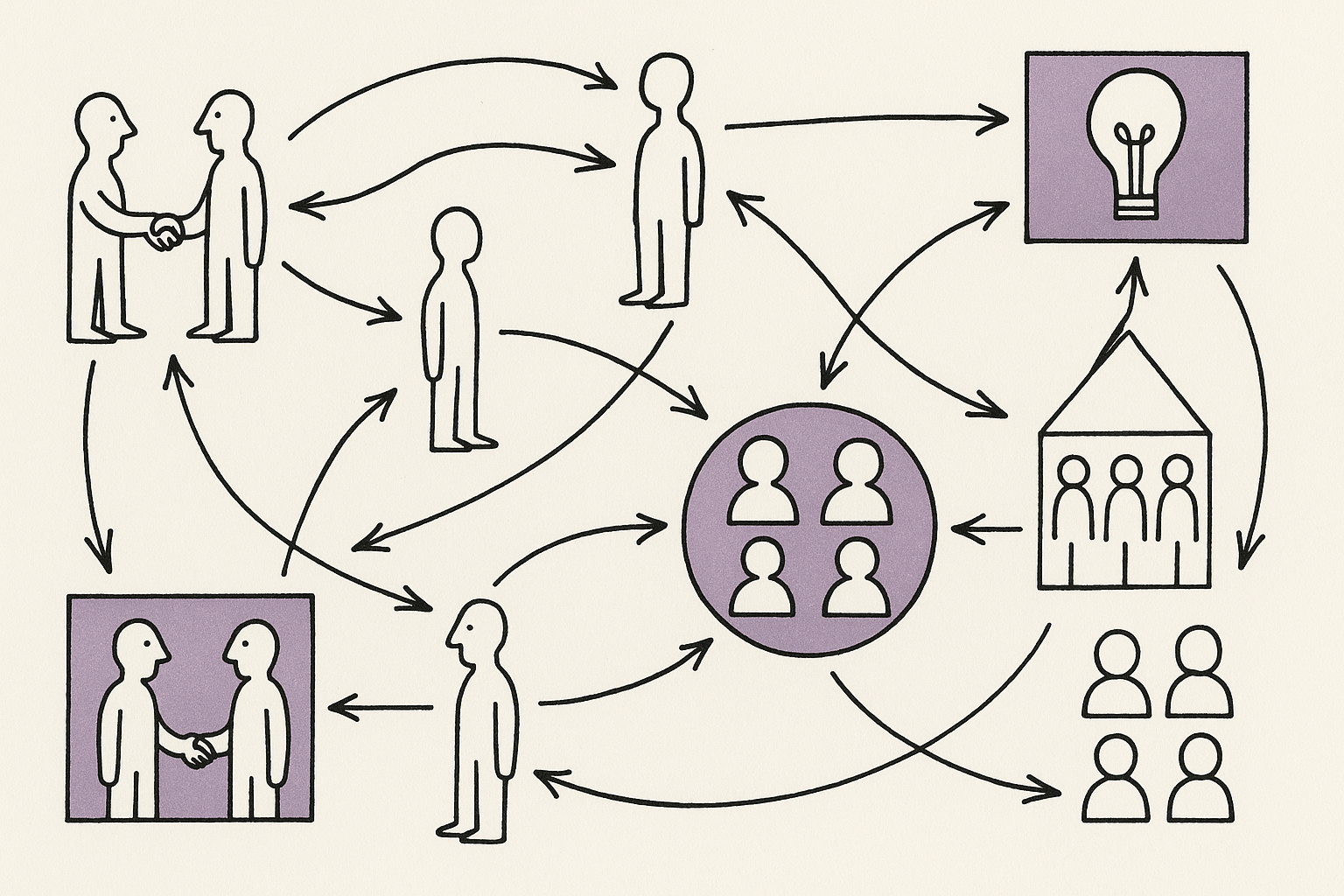
A piece in Harvard Business Review this week argues that AI's biggest payoff isn't in automating tasks - it's in coordination. Making it easier for people and systems to work together, share context, align on expectations. The productivity gains from automation are real but bounded. The gains from better coordination are, in theory, unbounded.
I think this is right, and I think it explains something that confuses a lot of brand strategists: why some brands spend enormous sums on communication and still fail to move behavior, while others seem to shift entire categories with a single well-placed signal.
The brands that work aren't just communicating. They're coordinating.
What Coordination Actually Means
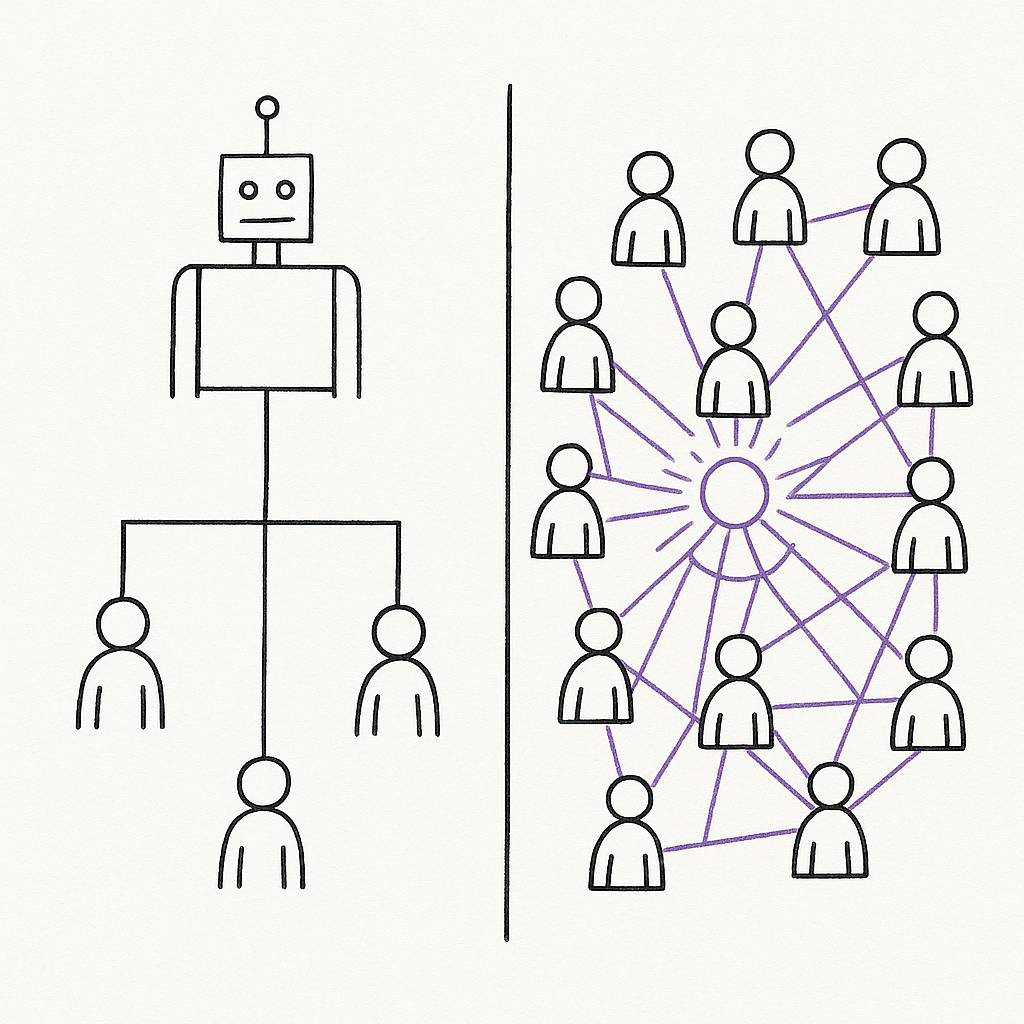
The HBR piece uses a specific definition: coordination is about reducing the cost of aligning multiple parties around a shared understanding. Automation replaces work. Coordination makes work possible that wasn't happening at all.
Think about what that means in brand terms. A luxury hotel doesn't just advertise exclusivity - it uses design, dress codes, pricing, and service rituals to coordinate the expectations of every guest before they arrive. When Norwegian Cruise Line quietly introduced a dinner dress code at six of its premium specialty restaurants, it wasn't trying to communicate anything new about its brand. It was trying to coordinate behavior - to align what guests expected of each other, and what the physical space expected of the people in it.
The backlash was instructive. When Roger Dooley examined the neuropsychology of servicescapes this week, he pointed to how physical environments function as coordination mechanisms - they signal to guests what role they're expected to play. A casual buffet coordinates casual behavior. A specialty restaurant with white tablecloths and no shorts coordinates something else. NCL's mistake wasn't the dress code itself. It was that they tried to change the coordination contract after people had already bought tickets under the old terms.
The Heritage Brand Trap
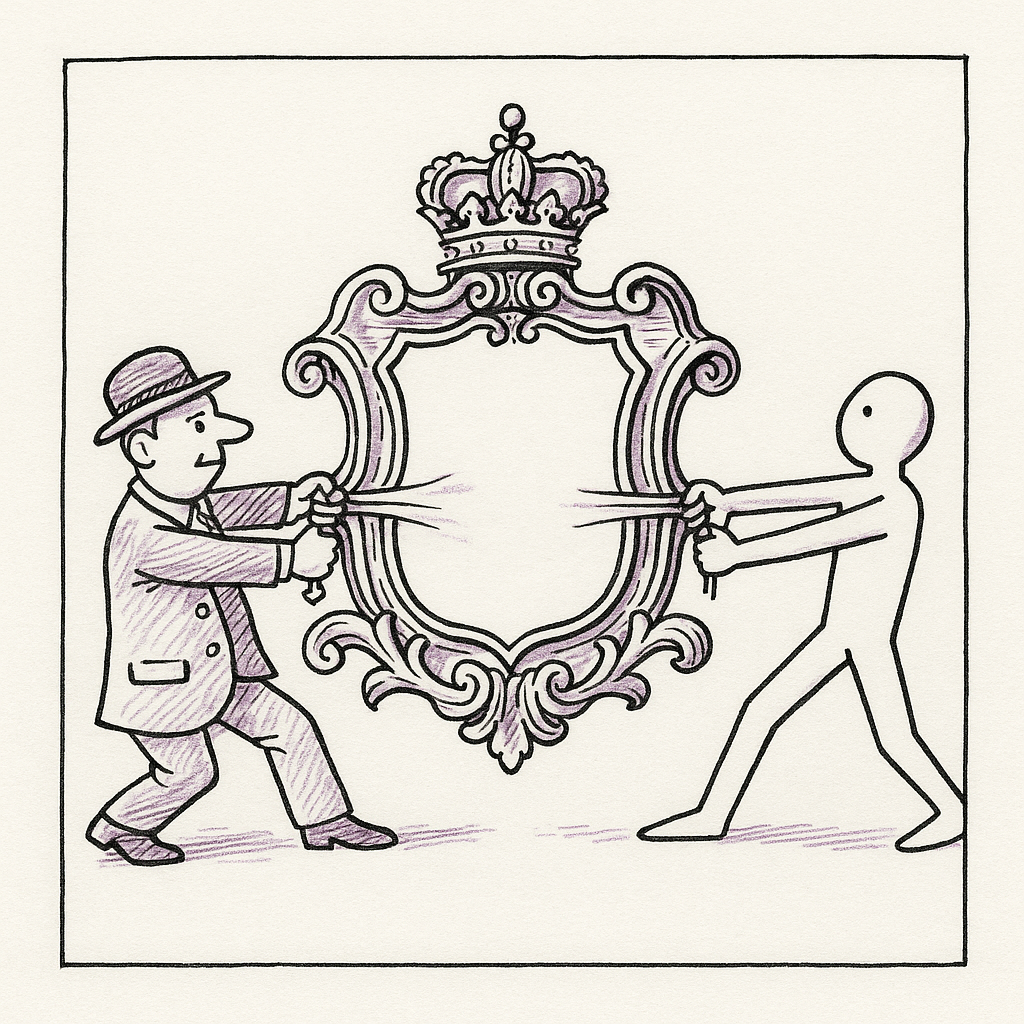
This coordination framing also clarifies something about heritage brand strategy that a piece in Branding Strategy Insider lays out this week.
The conventional playbook for heritage brands is familiar: maximize margins, go after younger consumers, launch line extensions. But the article makes the case that heritage brands face four distinct starting conditions - and each requires a fundamentally different strategy.
What's really going on here is a coordination problem with multiple audiences. A heritage brand has already coordinated expectations among its existing customers. Those customers know what the brand means, what to expect, what price they should pay. The brand's history is a coordination asset - it reduces the cost of establishing trust with anyone who already knows what it stands for.
The trap is trying to recoordinate with new audiences while keeping the old coordination intact. Most brands can't do both simultaneously. When Diageo's new CEO says the company needs to go after consumers at lower price points while maintaining its premium positioning, that's not a communication problem - it's a coordination architecture problem. Telling premium and value customers that they're both buying the right thing at the right price requires entirely separate coordination structures: different channels, different physical spaces, different occasion framing.
Loyalty Programs Are Coordination Mechanisms
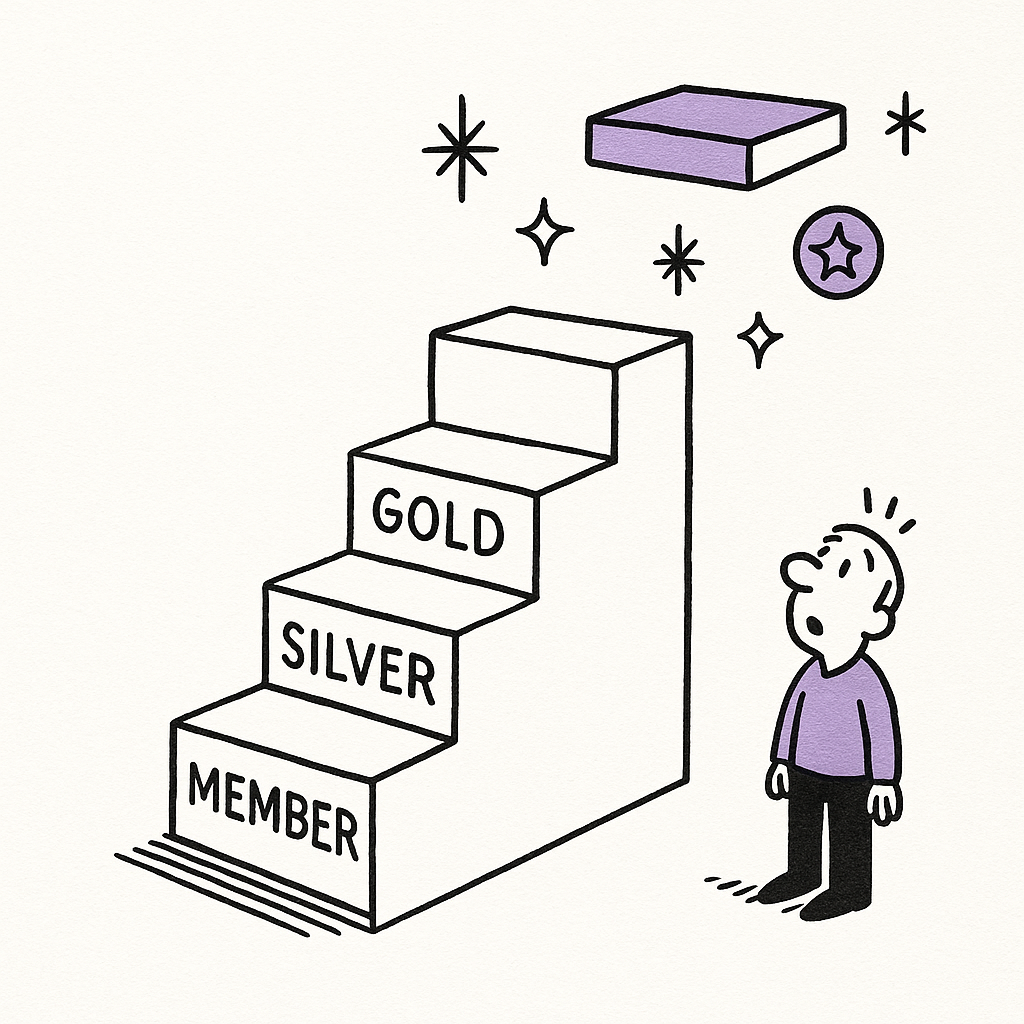
Hyatt just raised point prices on most award nights, which is generating the usual reaction from loyalty enthusiasts. But the interesting question isn't whether the new redemption rates are good or bad value - it's what the change signals about what Hyatt is trying to coordinate.
Loyalty programs exist to coordinate guest behavior over time. The points are a coordination mechanism: they create a shared understanding between Hyatt and its guests about what continued patronage is worth and what it will earn. When Hyatt changes the terms, it's not just repricing rewards - it's renegotiating the coordination contract with its most engaged customers.
This is why loyalty program devaluations generate such disproportionate anger relative to their financial impact. It's not really about the points. It's that the guests who accumulated those points made decisions - which hotel chain to stay at, whether to pay for a premium credit card, how to structure business travel - based on a shared understanding of what those points would eventually buy. Changing the terms retroactively isn't just a pricing decision. It's a trust violation, because trust is a coordination mechanism too.
What This Means in Practice
The HBR insight about AI is worth sitting with: the most valuable use of AI in business probably isn't replacing workers, it's reducing coordination costs across complex organizations. Better shared context, faster alignment, lower friction between departments that need to work together.
The same logic applies to brand strategy. The brands that consistently outperform aren't necessarily the ones with the most compelling narratives or the most media spend. They're the ones who've built the most efficient coordination architecture - servicescapes that cue the right behavior, pricing structures that communicate the right membership, heritage assets that reduce the cost of establishing trust, loyalty mechanics that align long-term incentives.
Communication is what you do when coordination has already been established. Coordination is what makes communication work.
Sources
- AI's Big Payoff Is Coordination, Not Automation - Harvard Business Review
- Servicescapes, Cruise Line Dress Codes, and the Science of Experience - Roger Dooley's Neuromarketing
- Heritage Brand Strategy: Four Types, Four Distinct Strategies - Branding Strategy Insider
- 'For all consumers': Diageo's new CEO sets target on affordability - MarketingWeek
- Hyatt's New Award Chart Raises Points Prices for Most Nights - NerdWallet