The Three Survival Strategies of 2025
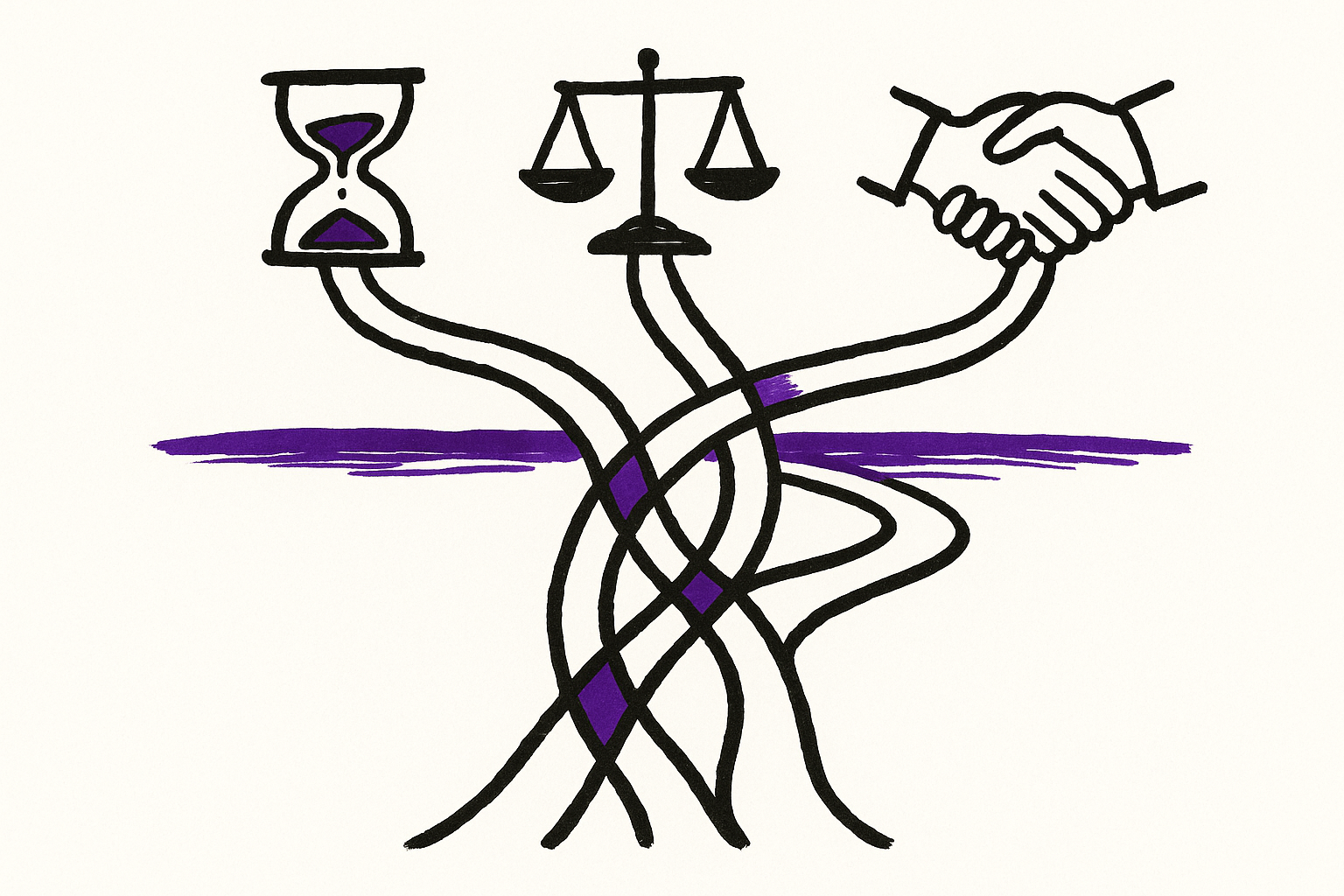
There's a moment in every economic cycle when the fog clears and you can finally see who was swimming naked. 2025 has been that moment.
The year brought tariffs at levels not seen since the Great Depression - above 17% effective rate by August. It brought mall traffic that continued its decade-long decline. It brought consumers who were simultaneously nostalgic for the past and anxious about the future.
And yet, some businesses thrived. Not by luck, but by recognizing which game they were actually playing.
The Nostalgia Paradox
Gap posted seven consecutive quarters of positive growth this year. Victoria's Secret achieved 9% sales growth in Q3. The Body Shop, barely a year out of bankruptcy, re-entered the U.S. market.
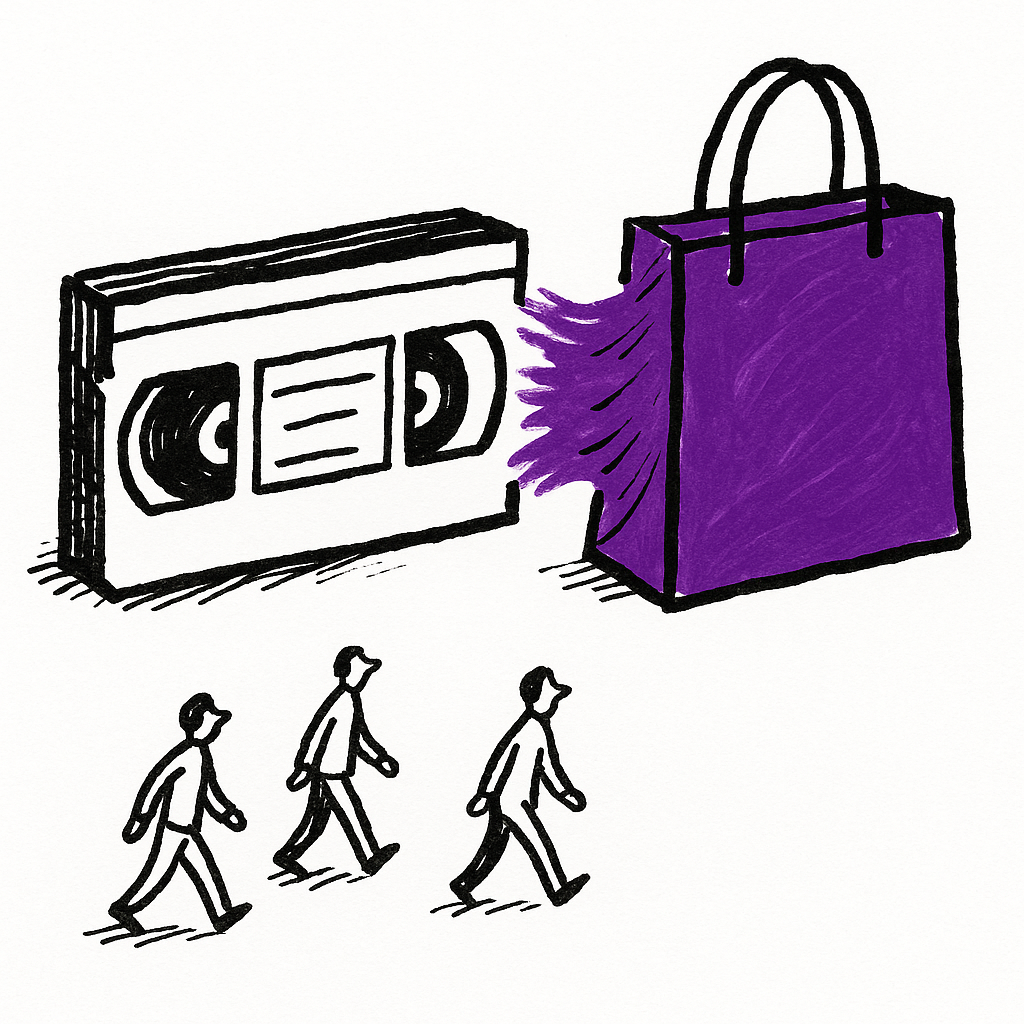
The obvious explanation is nostalgia - younger consumers discovering "Ralph Lauren Christmas" on TikTok, secondhand platforms reporting surging demand for 90s-era designer items. But nostalgia is a dangerous drug.
Here's what the headlines miss: Gap closed nearly 2,000 stores between 2000 and 2021, losing $3.5 billion in sales along the way. Their current success isn't a comeback to former glory - it's survival after radical amputation. As retail analyst Pauline Brown put it, "Breaking the momentum is reason to celebrate... But it's not really in a big growth mode."
The brands winning the nostalgia game aren't just trading on memory. They're combining familiar emotional resonance with fundamentally restructured operations - fewer SKUs, improved quality, relevant campaigns. Gap's viral Katseye collaboration hit 55 million YouTube views not because people remember the Gap of 1997, but because the campaign felt fresh while the brand felt familiar.
The lesson isn't "bet on nostalgia." It's that emotional connection buys you permission to change, but only if you actually change.
The Tariff Sorting Hat
If nostalgia separated the adaptable from the stuck, tariffs separated the structurally positioned from the structurally exposed.
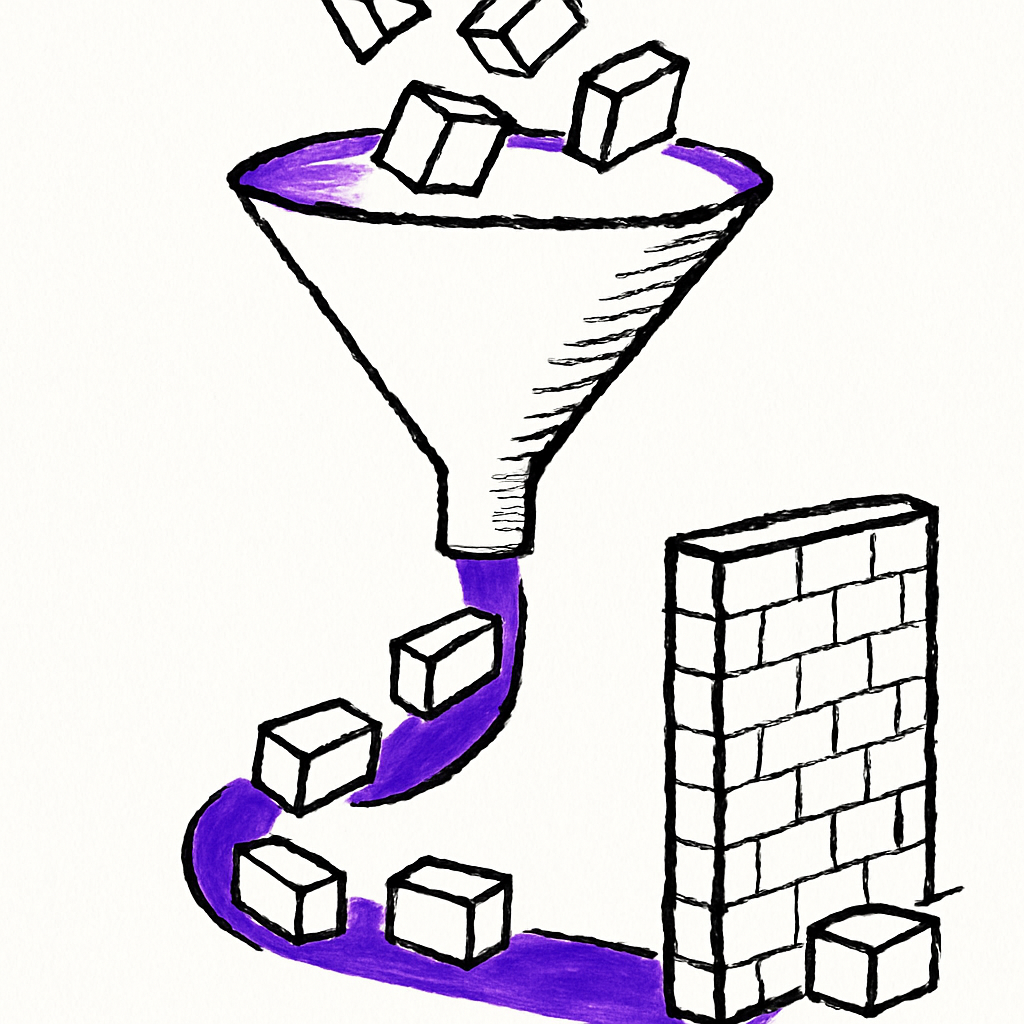
The winners were obvious in retrospect. ThredUp reported record quarterly revenue of $82.2 million, up 34% year over year, with October marking "the company's best-ever month for new-customer acquisition." Secondhand goods don't pay import duties. Neither do domestic manufacturers - P.F. Candle Co. found itself fulfilling orders that import-dependent competitors simply couldn't handle.
The losers were equally predictable. Temu's U.S. market collapsed after the de minimis loophole closure eliminated their pricing advantage. Under Armour saw profitability cut in half, with gross margins declining 250 basis points primarily from supply chain disruptions. John Deere projected $1.2 billion in direct tariff expenses for 2026.
But the most interesting cases were the businesses that turned structural disadvantage into competitive advantage. Costco and Walmart didn't avoid tariffs - they absorbed them, betting that their scale would let them maintain prices while competitors raised theirs. The bet paid off. Both saw strong growth in traffic and e-commerce sales precisely because they held the line.
The lesson here isn't about tariffs specifically. It's about understanding which structural forces you can resist and which you must redirect. Small businesses and emerging brands, with limited cash flow and minimal negotiating power, had no choice but to absorb the hit. Large players could choose their response. The choice itself became the strategy.
The Relationship Premium
Meanwhile, in the advertising industry, a quieter shift revealed a third survival pattern.
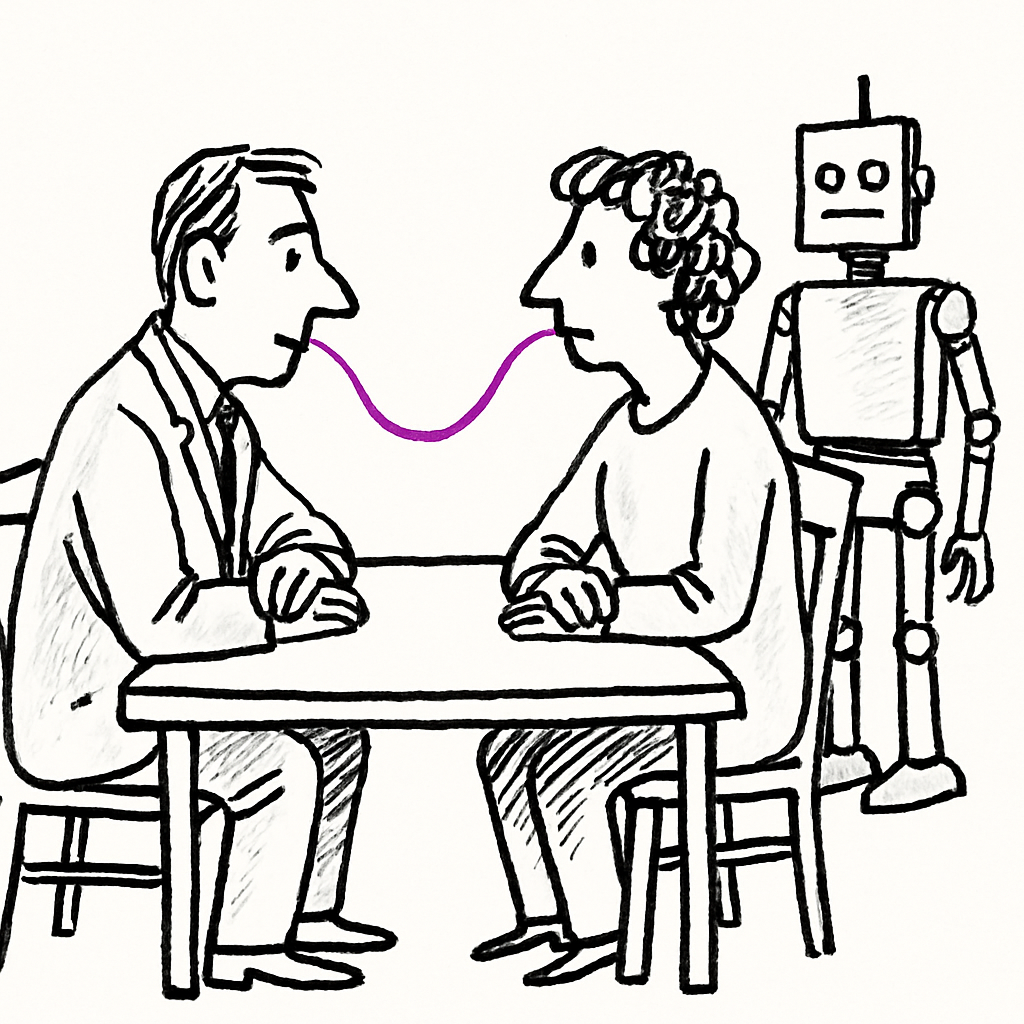
Major agencies are increasingly appointing Chief Client Officers to executive leadership - a role that would have seemed redundant a decade ago. Why pay someone senior to focus purely on client relationships when that's theoretically everyone's job?
The answer, according to one Havas executive, is that modern media accounts involve "a carousel of data partnerships and media channels" that didn't exist five years ago. The complexity has outpaced the traditional account management model. Someone needs to own the relationship itself, not just the work product.
What's interesting is the timing. Agencies are investing in human relationships precisely as they're also investing heavily in AI and data capabilities. The paradox resolves when you realize that commoditized offerings make differentiation harder. When everyone has access to the same tools, the trust built through face-to-face interaction becomes the competitive moat.
This mirrors what's happening in retail and manufacturing. The companies thriving aren't necessarily the ones with the best technology or the lowest costs. They're the ones who've figured out what they're actually selling - and it's rarely the product itself.
The Common Thread
Three different industries, three different pressures, one underlying pattern: the winners in 2025 understood that strategy isn't about optimizing for the game everyone else is playing. It's about recognizing when the game has changed.

Gap didn't win by being more nostalgic than their competitors. They won by using nostalgia as cover for operational transformation. ThredUp didn't win by lobbying against tariffs. They won by already being positioned where tariffs couldn't reach them. Agencies aren't winning by having better AI. They're winning by recognizing that AI makes human relationships more valuable, not less.
The businesses that struggled this year were often playing yesterday's game better than anyone else. The businesses that thrived were playing tomorrow's game before anyone noticed it had started.
As 2025 closes, the question for every operator isn't "how do I optimize what I'm doing?" It's "what game am I actually playing - and is it the right one?"
Sources
- The revenge of the '90s mall brand - Modern Retail
- The winners and losers of tariffs - Modern Retail
- The anatomy of an agency chief client officer - Digiday
- Top 10 Stories of 2025 - AdExchanger
Hass Dhia is Chief Strategy Officer at Smart Technology Investments, where he helps operators apply neuroscience and AI to grow their businesses. He holds an MS in Biomedical Sciences from Wayne State University School of Medicine, with thesis research in neuroscience.