The Authenticity Gap in AI Commerce
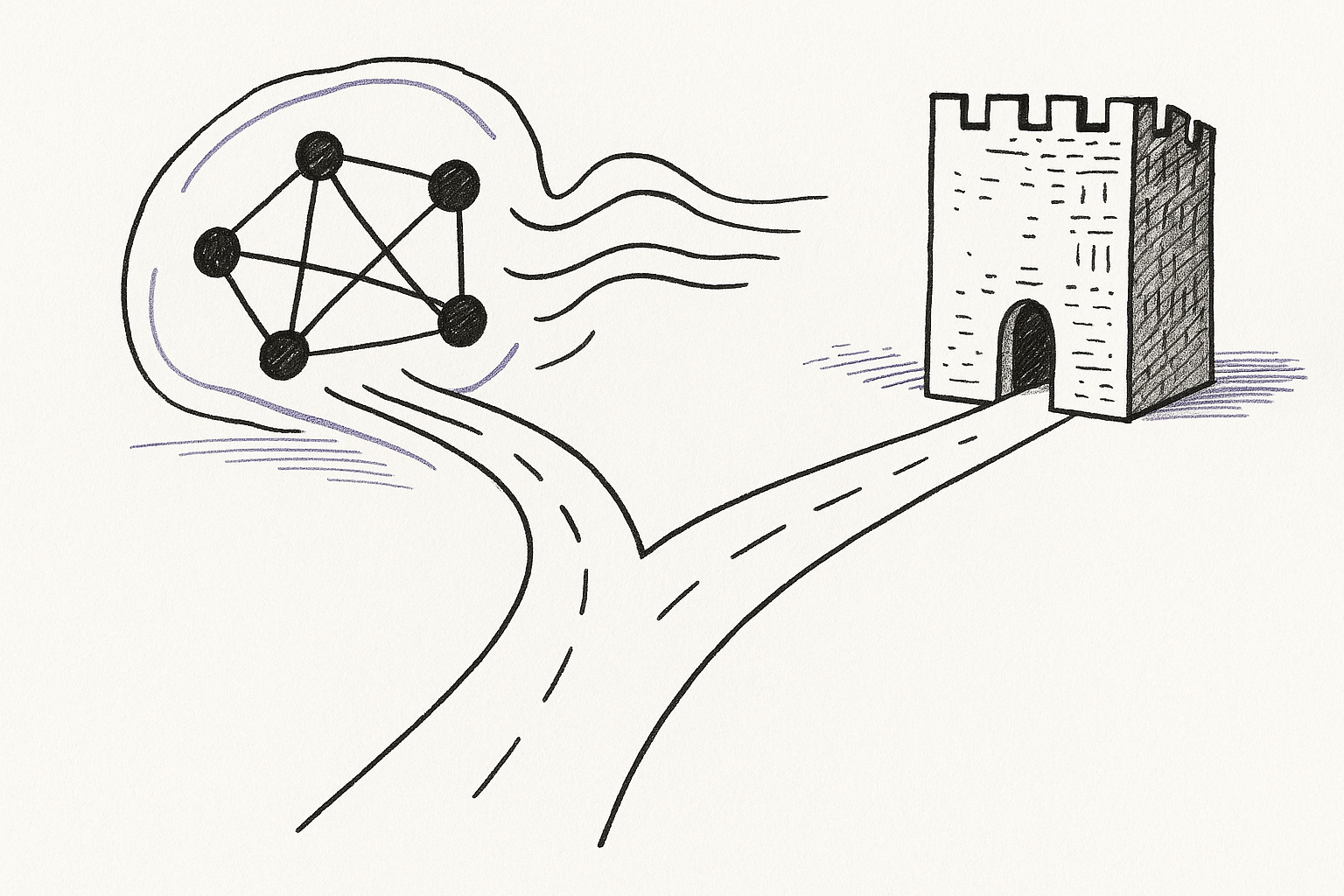
Walmart just announced integrations with both Google Gemini and OpenAI's ChatGPT. The same week, media buyers at CES 2026 collectively shrugged at "agentic AI" demos. Meanwhile, The Onion's CMO is betting her business on a simple thesis: AI doesn't get satire.
These three stories seem unrelated. They're not. They reveal a growing gap between what AI can automate and what humans actually value.
The Platform Bet
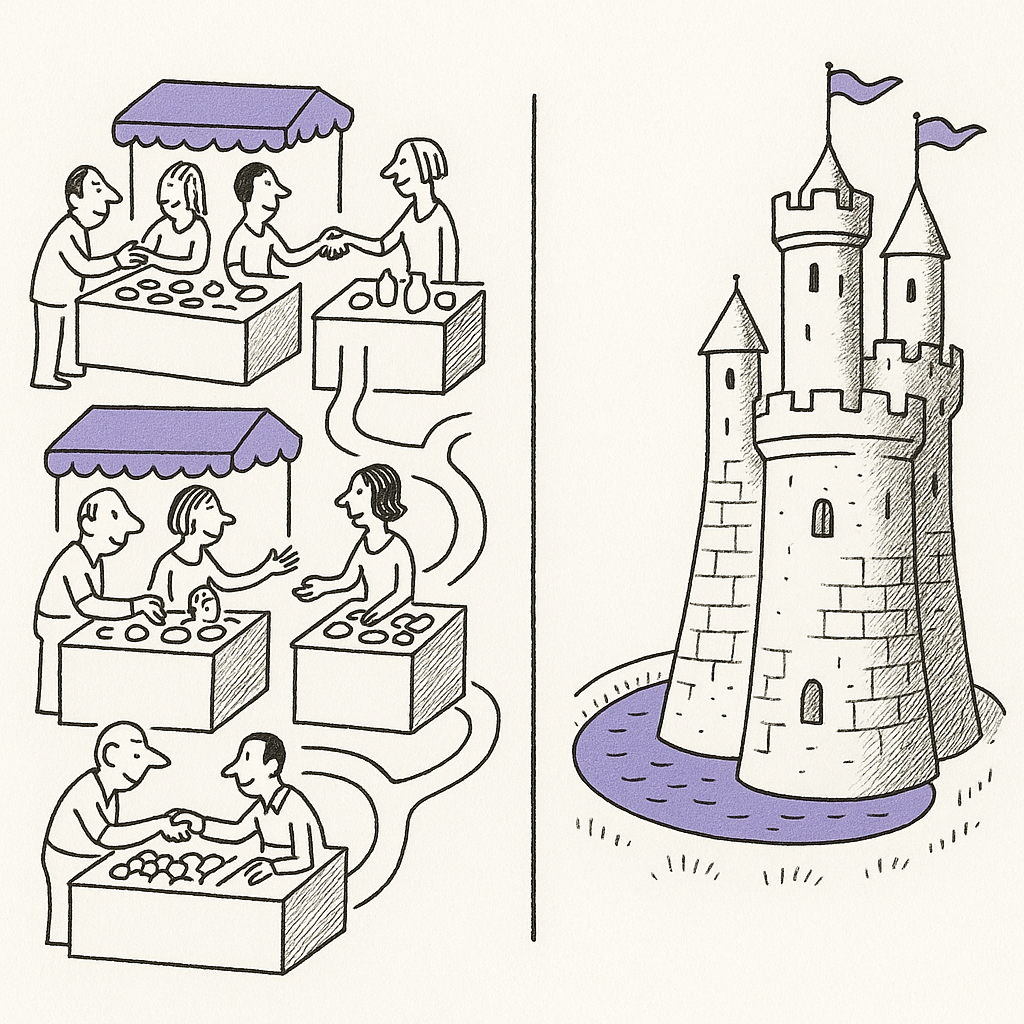
Walmart's strategy is clear: be everywhere customers already are. Their EVP and U.S. CTO Hari Vasudev put it simply - "That approach of open partnerships is something that we strongly believe in." They've integrated Sparky (their shopping assistant) into ChatGPT, Gemini, and Google's new Universal Commerce Protocol alongside 25 other retailers.
Amazon is doing the opposite. Their Rufus chatbot stays inside Amazon's walls. Their "Buy For Me" and "Auto Buy" features are Amazon-only. The bet: customers will come to Amazon regardless.
The data suggests Amazon might be right in the short term. Shoppers using Rufus are 60% more likely to complete purchases, with projected annual sales of $10 billion. But Walmart is playing a longer game - betting that AI assistants will increasingly mediate how people discover products, and being absent from those conversations means being absent from consideration.
This isn't just a retail question. It's the defining platform question of the AI era: do you build the destination, or do you distribute into the platforms where attention already lives?
The Pragmatism Gap

At CES 2026, every ad tech vendor had an "agentic AI" demo. Autonomous media buying. Self-optimizing campaigns. AI that doesn't just assist but acts.
Media buyers weren't buying it.
The disconnect is structural. As Digiday's Seb Joseph observed, "Everyone wants to do things faster, cheaper, better...but ultimately, that is about everything up until an ad is bought." The hard problem isn't automation - it's that programmatic advertising's underlying data is noisy, incomplete, and often adversarial. Training AI on bad data doesn't create autonomous intelligence. It automates blind spots.
Zero major advertisers or holding companies have deployed autonomous media buying solutions. Not because the technology doesn't exist, but because the buyers who control the budgets understand something the vendors don't: speed and efficiency improvements mean nothing if they're optimizing toward the wrong outcomes.
This pragmatism gap will define which AI applications actually ship versus which ones remain perpetual demos.
The Authenticity Premium
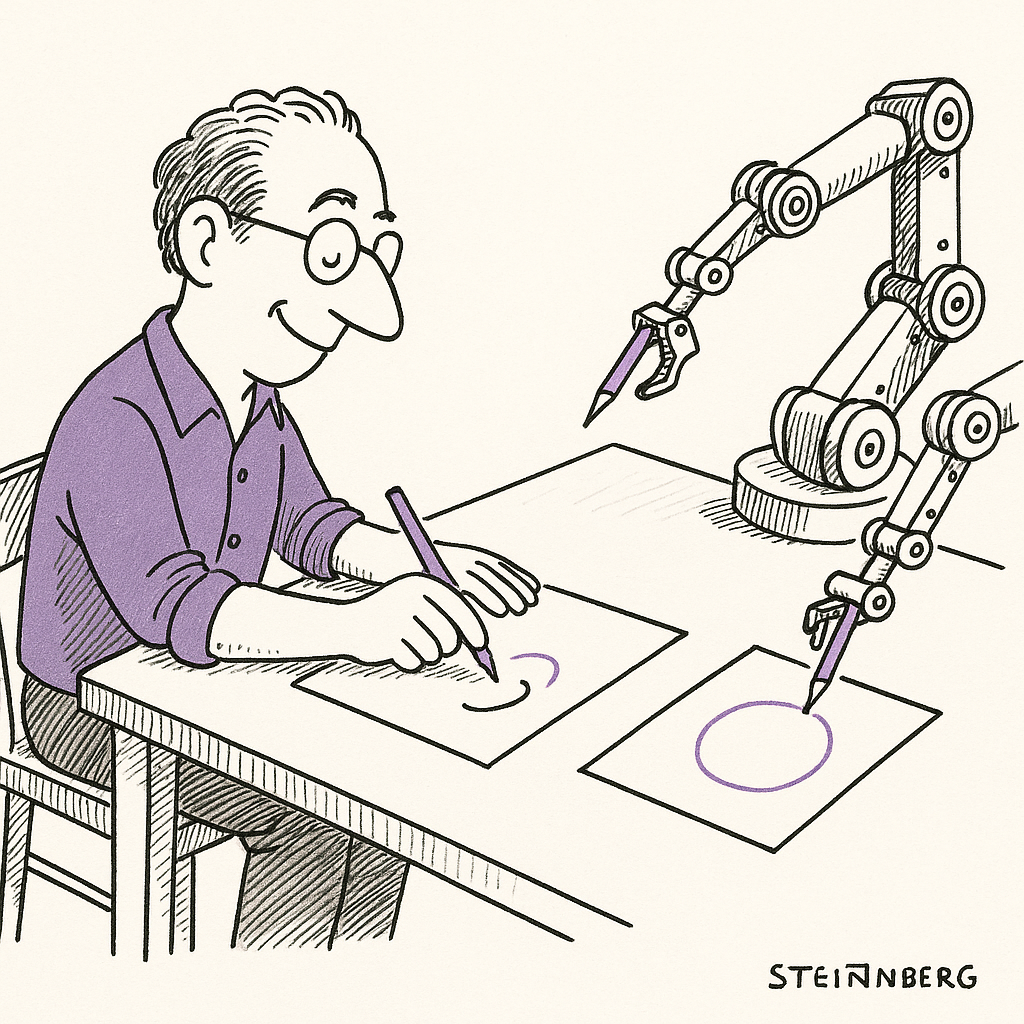
While Walmart races to integrate with AI platforms and CES vendors pitch autonomous everything, The Onion's CMO Leila Brillson is betting on the opposite direction.
"AI does not get satire," she told AdExchanger. It's a simple observation with significant implications. The Onion has pivoted to a membership model - physical newspapers, curated surprises, direct relationships with their "rabid" fans. They've deliberately abandoned brand safety concerns that constrain competitors, leaning into controversial humor that advertisers avoid but readers love.
The thesis: when AI can generate infinite content, the things AI can't generate become premium. Satire requires understanding context, intent, and the specific cultural moment. It requires being human in ways that language models fundamentally aren't.
The Onion isn't alone in this realization. At NRF's Big Show last week, executives from Mejuri, Beyond Yoga, and Coterie described similar strategies. Mejuri's CEO Noura Sakkijha emphasized building communities of influencers and stylists - "If people love your product, it will end up in the right hands." Beyond Yoga's CMO Katie Babineau described their "always-on machine" of community content, noting that consumers are "spending the majority of their time on social, but very much fatigued with digital overload."
The pattern: as AI floods every channel with generated content, authentic human connection becomes the scarce resource.
Where This Leaves Brands
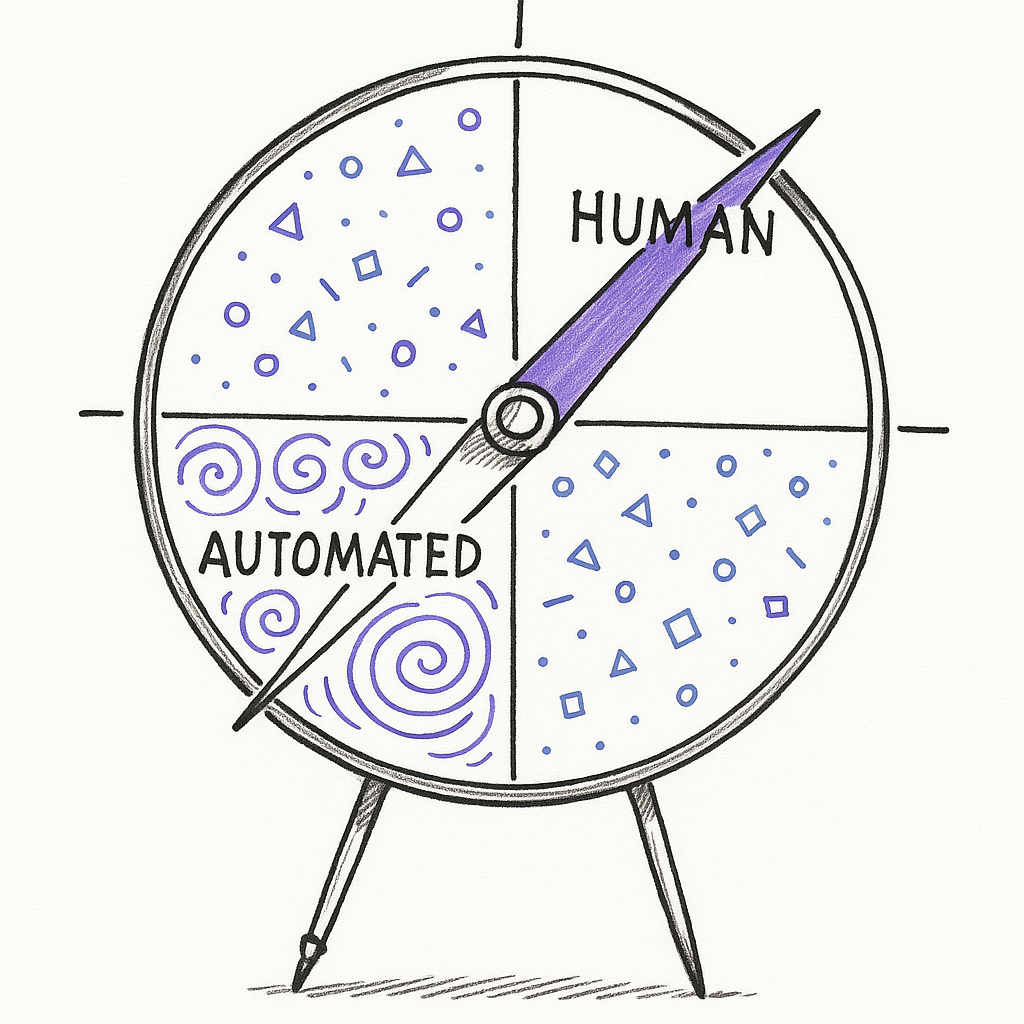
The convergence of these stories suggests a strategic framework for brands navigating the AI commerce era:
First, the platform question is real but not urgent. Being present in AI assistants matters, but the protocols are still forming. Walmart can afford to integrate with everyone because they have scale. Smaller brands should watch which platforms actually drive discovery before committing resources.
Second, healthy skepticism toward autonomous anything is warranted. The vendors promising AI agents that act independently are mostly selling futures they can't deliver. The underlying infrastructure - clean data, reliable attribution, predictable outcomes - doesn't exist yet.
Third, authenticity is becoming measurable. When Taylor Swift organically wore a Mejuri ring at the AFC Championship, the brand experienced viral momentum that no paid campaign could replicate. These moments aren't random - they're the product of sustained community building that AI can support but not replace.
The gap between what AI can automate and what humans actually value isn't closing. It's widening. The brands that understand this will invest in both - AI for efficiency, humans for connection - while the brands that chase automation alone will discover they've optimized their way into irrelevance.
Sources
- Walmart says 'open partnerships' are central to its AI strategy, while Amazon goes it alone - Modern Retail
- Walmart teams up with Google's Gemini for AI-assisted shopping - Retail Dive
- CES 2026: Agentic AI hype vs. media buyers' pragmatism - Digiday
- How rising retail brands use influencers to combat digital overload - Retail Dive
- Turning Snark Into Strategy, With The Onion - AdExchanger