The January Reset - Why Smart Retailers Are Choosing Depth Over Speed
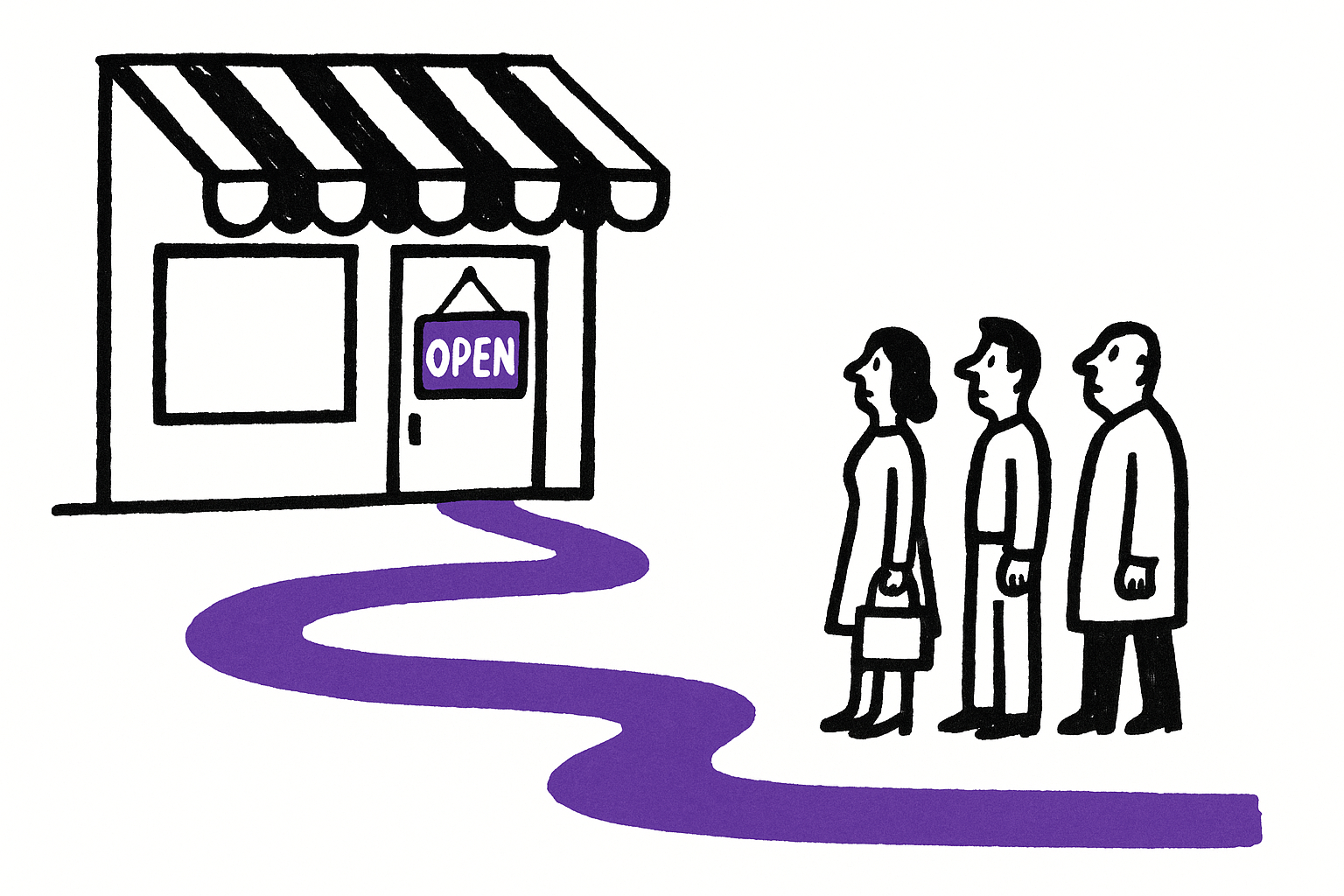
Physical retail keeps defying the obituary writers. Dollar General is opening 450 stores this year. Barnes & Noble, once left for dead, is launching 60 new locations. Primark just planted a 78,000-square-foot flag across from Macy's in Herald Square.
But the more interesting story is happening inside the stores that already exist.
The Slowdown That Pays Back
January has traditionally been retail's purgatory - that dead zone between holiday frenzy and spring shopping. Most operators grit their teeth and wait it out.
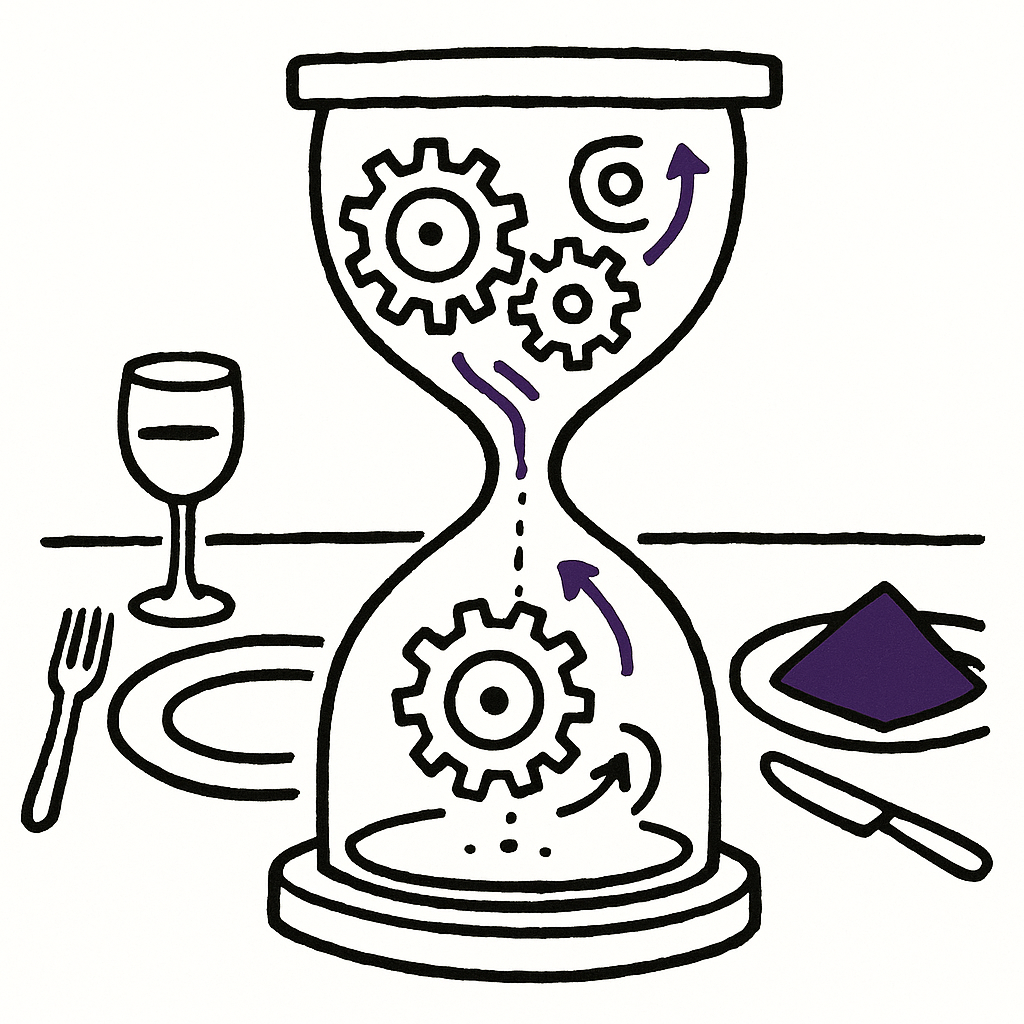
Toast's industry analysis reveals what the smart ones are doing instead: using the breathing room to fix things. One Italian restaurant owner cut payroll processing from four hours to minutes by implementing integrated labor management. A casual fine dining spot grew catering revenue by 240% by simplifying large-order booking during the slow season.
These aren't glamorous moves. They don't make headlines. But when 40% of restaurant operators cite profitability improvement as their top priority and 47% are focused on staff efficiency, the January reset becomes less about surviving and more about building operational muscle.
The data point that matters: only 20% of guests report receiving consistently personalized experiences. That's a gap worth filling when you finally have time to fill it.

Community Over Virality
At NRF's Big Show this week, a panel featuring executives from Mejuri, Beyond Yoga, and Coterie zeroed in on something the industry has been circling for years: the difference between community and audience.
Rising retail brands aren't just accumulating followers anymore. They're building what the panel called "community-driven commerce" - relationships that convert because they're genuine, not because an algorithm served them up. The conversation focused on how brands can identify creators who connect meaningfully rather than just reach broadly.
Gary Vaynerchuk, never one to undersell a trend, is pushing retailers to harness emerging platforms and influencer culture at scale. But the more nuanced insight from the conference was about measurement - how do you actually track whether your community investments are working?
The answer seems to be moving away from vanity metrics toward what one speaker called "measurable engagement across social, digital, and affiliate marketing." Translation: real relationships that show up in real purchases.

The Moderation Message
Beverage brands are learning this lesson the hard way. Dry January used to be a simple marketing hook - shame people into temporary abstinence, hope they pick up your non-alcoholic option.
Athletic Brewing just rebranded their whole campaign to "Athletic January" because the all-or-nothing narrative wasn't working. Their CMO put it simply: "We want people to play it however they want."
Recess took out a full-page New York Times ad on "Quitters' Day" with the message: "Perfection is a terrible New Year's Resolution."
This isn't just clever copywriting. It's a recognition that one-in-three Dry January participants fail to complete their goals, and most non-alcoholic beverage consumers are focused on moderation rather than sobriety. The shame-based approach was leaving money on the table by alienating the exact people most likely to buy.
Prima Pave is sponsoring wellness retreats. Athletic Brewing is partnering with OpenTable to highlight restaurants serving their NA beer. These aren't awareness plays - they're relationship plays that meet customers where they already are.

The Bed Bath Question
Perhaps no brand illustrates the tension between expansion and depth better than the new Bed Bath & Beyond.
Under Marcus Lemonis, the company that filed for Chapter 11 in 2023 has gone "asset light." They bought back BuyBuy Baby for $5 million. They slashed SKUs from 12 million to 6 million. They announced they won't open stores in California at all.
And now they're acquiring Kirkland's Home while closing 40 stores and targeting $20 million in cost reductions.
This is the opposite of the Dollar General playbook. Instead of 450 new locations, Bed Bath is building a franchise system and betting on blockchain investments. Whether it works is genuinely unclear - but the strategy is coherent: fewer locations, deeper relationships, multiple revenue streams that don't depend on foot traffic.
The iconic coupons are back, by the way. Some relationships are worth restoring.
What Actually Matters
The throughline across all of these stories is a shift from transactions to relationships. January's slowdown isn't dead time - it's maintenance time. Community building isn't about follower counts - it's about genuine connection. Marketing campaigns don't need to shame people into behavior - they can meet customers where they actually are.
Physical retail isn't dying. But the version that treats stores as transaction machines probably is. The winners in 2026 seem to understand something Paul Graham pointed out years ago about startups: it's better to have 100 users who love you than 10,000 who kind of like you.
Turns out that applies to retail too.
Sources
- January reset: Turning the post-holiday slowdown into strategic growth - Restaurant Dive
- The Top 10 New Stores to Watch in 2026 - The Robin Report
- Beverage brands update Dry January marketing based on changing consumer habits - Modern Retail
- A look back at Bed Bath & Beyond's pivotal year - Retail Dive
Hass Dhia is Chief Strategy Officer at Smart Technology Investments, where he helps brands find authentic local activation partnerships powered by neuroscience and AI. He holds an MS in Biomedical Sciences from Wayne State University School of Medicine, with thesis research in neuroscience.