Intent Over Impressions: Why the Best Brands Are Ditching Reach for Relevance
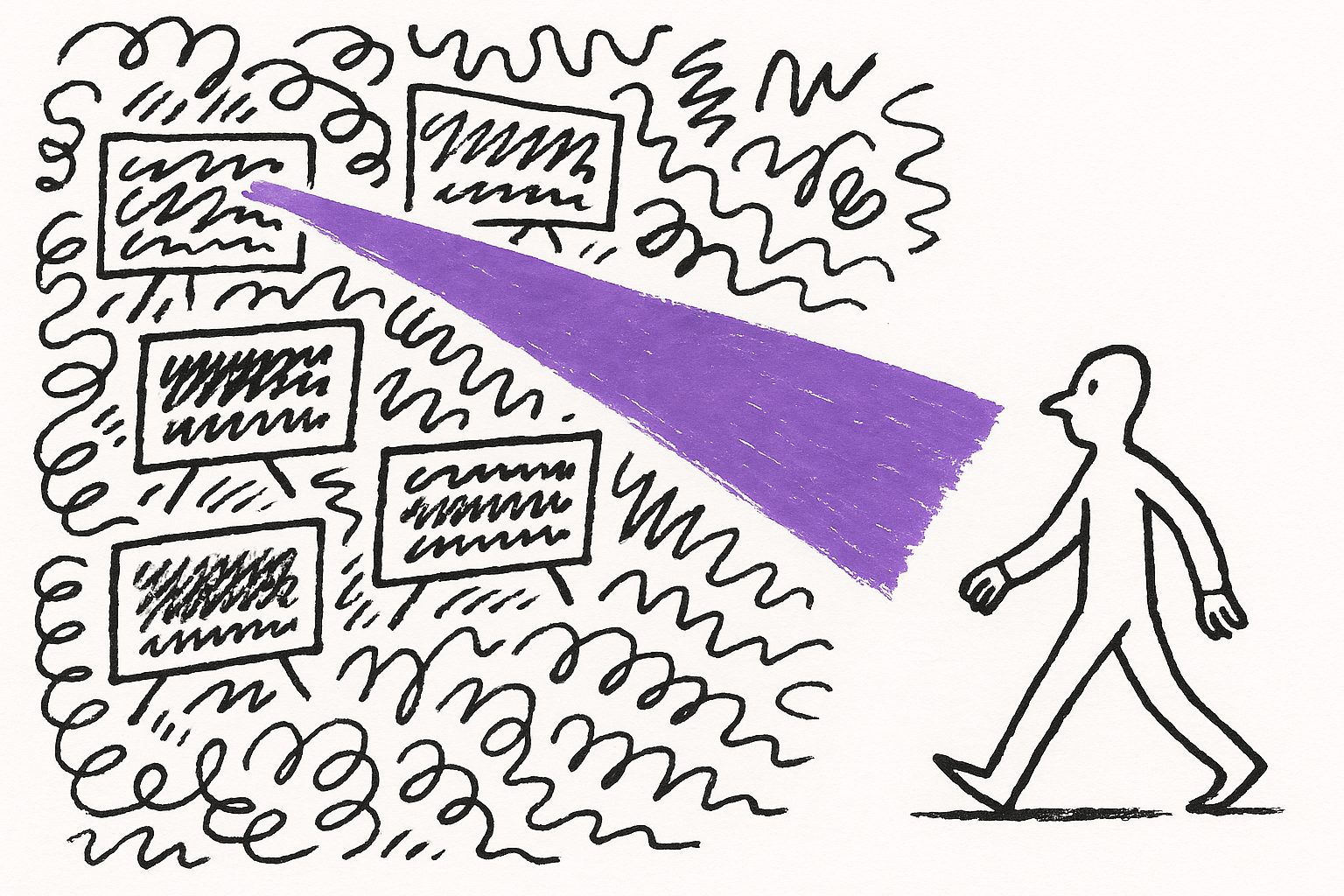
Something interesting is happening in marketing right now, and most brands are missing it.
For decades, the game was simple: maximize reach, optimize impressions, pray for conversions. But that formula is breaking down in ways that should concern anyone still measuring success by eyeballs rather than outcomes.
The Intent Gap

Here is the uncomfortable truth: when Omnicom announced their Pinterest partnership this week at CES, the most revealing detail was not the shoppable boards or creator integrations. It was this line from Kevin Blazaitis, president of Creo: "When people are on Pinterest, they have an intent that they're taking... It's that behavior that we really wanted to capture."
Intent. Not impressions. Not reach. Intent.
This distinction matters more than most marketers realize. Pinterest users are not passively scrolling - they are actively planning. They are searching for specific ideas, comparing options, building boards of things they actually want to buy. The Home Depot tested shoppable creator boards through this partnership and, according to Omnicom's social SVP, the results "completely blew our benchmarks out of the water" for both engagement and return on ad spend.
The lesson is not that Pinterest is magic. The lesson is that meeting customers where intent already exists beats trying to manufacture interest through volume.
Community as Infrastructure

Figs, the scrubs company, just opened their fifth store - and the location tells you everything about where retail is heading. They planted it in Chicago's Illinois Medical District, a 560-acre complex of hospitals, research facilities, and universities. Not a mall. Not a shopping district. The place where their customers already live and work.
CEO Trina Spear put it plainly: "It's all about proximity to our people and to our community, not just being in a major shopping destination."
This is not just real estate strategy. It is a fundamental rethinking of what a store should be. Figs calls these locations "Community Hubs," and the name is accurate. They offer embroidery services, yoga sessions, coffee bars, even scrub recycling. The result? Forty percent of visitors are new customers, and thirty percent go on to buy online - converting them into omnichannel shoppers without a single retargeting ad.
The old model said: build where traffic exists. The new model says: build where your community exists. These are very different things.
The AI Mediation Problem

Meanwhile, AI is quietly restructuring how purchase decisions get made. Kantar's research shows three-quarters of AI assistant users now seek AI-driven recommendations regularly. This creates what I would call the mediation problem: brands that lack differentiation risk algorithmic exclusion from recommendations entirely.
Think about what this means. When a customer asks an AI agent for product recommendations, your brand either makes the shortlist or it does not. All those impressions and touchpoints mean nothing if the AI has no reason to surface you.
This is why the pivot to intent-based marketing matters so much. Brands that consistently show up where intent exists - not just where attention can be bought - build the kind of demonstrated relevance that AI systems can recognize and recommend. The alternative is spending more and more to reach people who will never convert because an AI already steered them elsewhere.
The Workflow Question
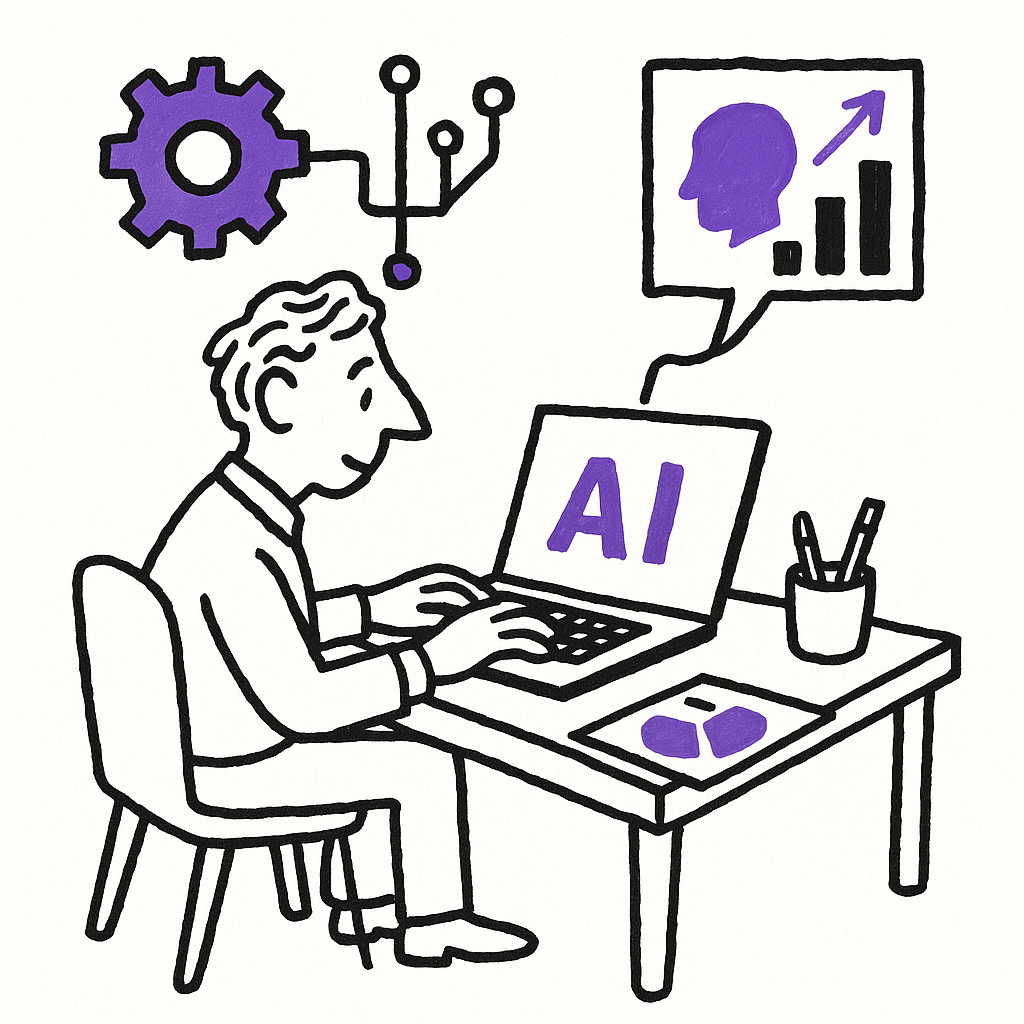
Digiday's upcoming AI Marketing Strategies event crystallized something important: "AI is no longer optional, but adoption is far from straightforward."
The challenge is not whether to use AI but how to integrate it without disrupting workflows. This sounds mundane compared to the hype around generative AI, but workflow integration is where most implementations fail. Tools that require marketers to fundamentally change how they work get abandoned. Tools that enhance existing workflows get adopted.
The best implementations I am seeing treat AI as infrastructure rather than spectacle. Pinterest's new auto-collage feature lets advertisers turn existing product catalogs into shoppable content automatically. Omnicom's integration feeds Pinterest's creator directory directly into their existing influencer discovery agent. Neither requires marketers to learn an entirely new system - they enhance systems already in use.
What Actually Works
The pattern across all these examples is consistent: brands winning in 2026 are not chasing reach. They are engineering relevance.
This means:
- Going where intent already exists rather than trying to manufacture it
- Building community infrastructure rather than relying on paid acquisition
- Creating value that AI systems can recognize and recommend
- Integrating AI into workflows rather than treating it as a separate initiative
None of this is complicated. But it does require abandoning the impression-maximization mindset that has dominated digital marketing for twenty years.
The brands still optimizing for reach will wake up one morning to discover their customers are making decisions in places they never thought to show up - mediated by AI systems that have no reason to mention them.
The brands engineering relevance will already be there.
Sources
- Omnicom Media wraps CES deals with a Pinterest collaboration that includes shoppable boards - Digiday
- Figs is building more stores around its medical community - Modern Retail
- Introducing AI Marketing Strategies: A new event from Digiday, Glossy and Modern Retail - Modern Retail
- 2026 Retail Predictions: More AI, Yes, but That's Not All, Folks - Retail TouchPoints
- What 2026 has in store for commerce media, according to experts - Marketing Brew