Retail Chaos Creates Local Opportunity
Every January brings prediction pieces. Here's something different: three stories from this week that share a common thread most analysts are missing.
The Pharmacy Desert Problem
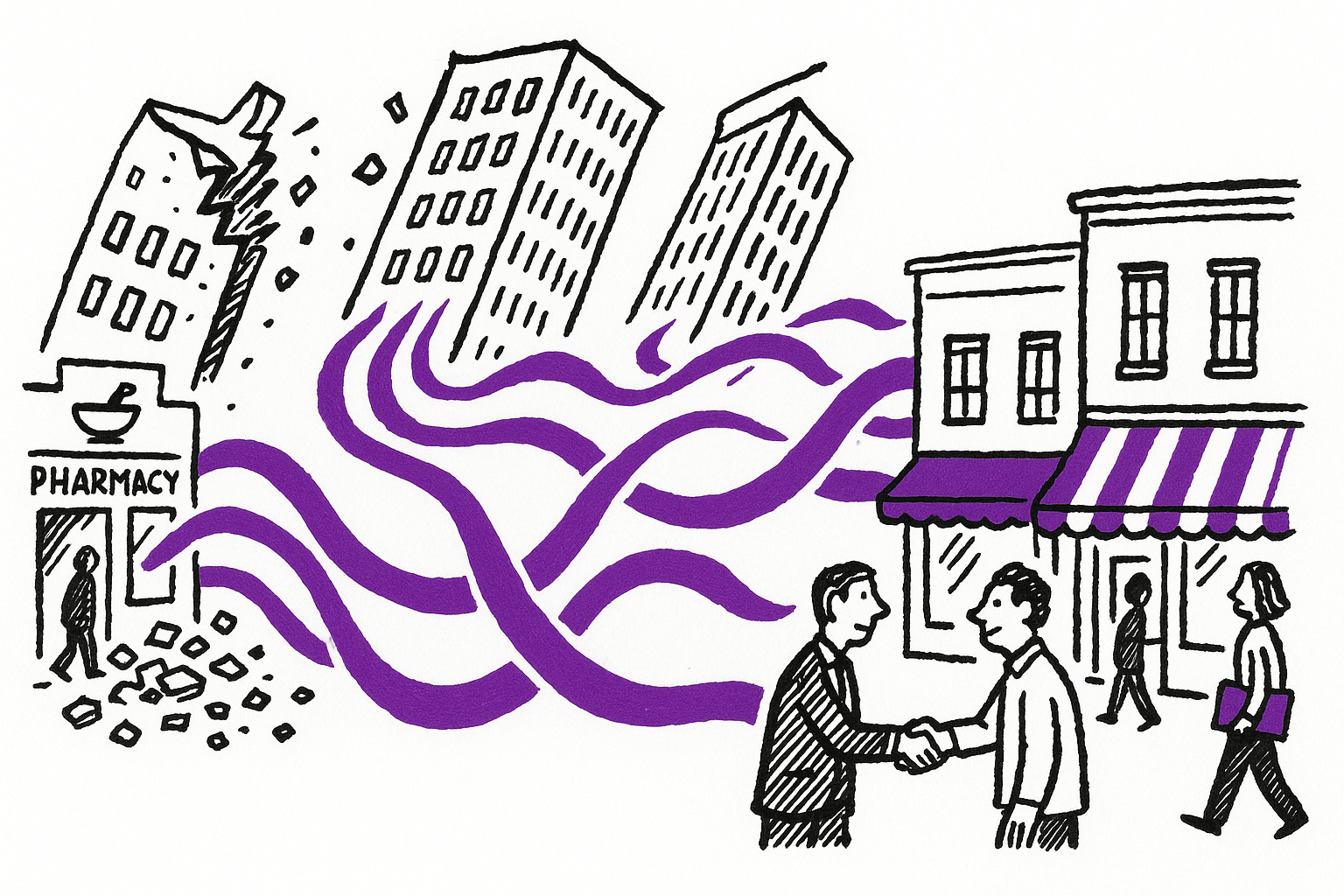
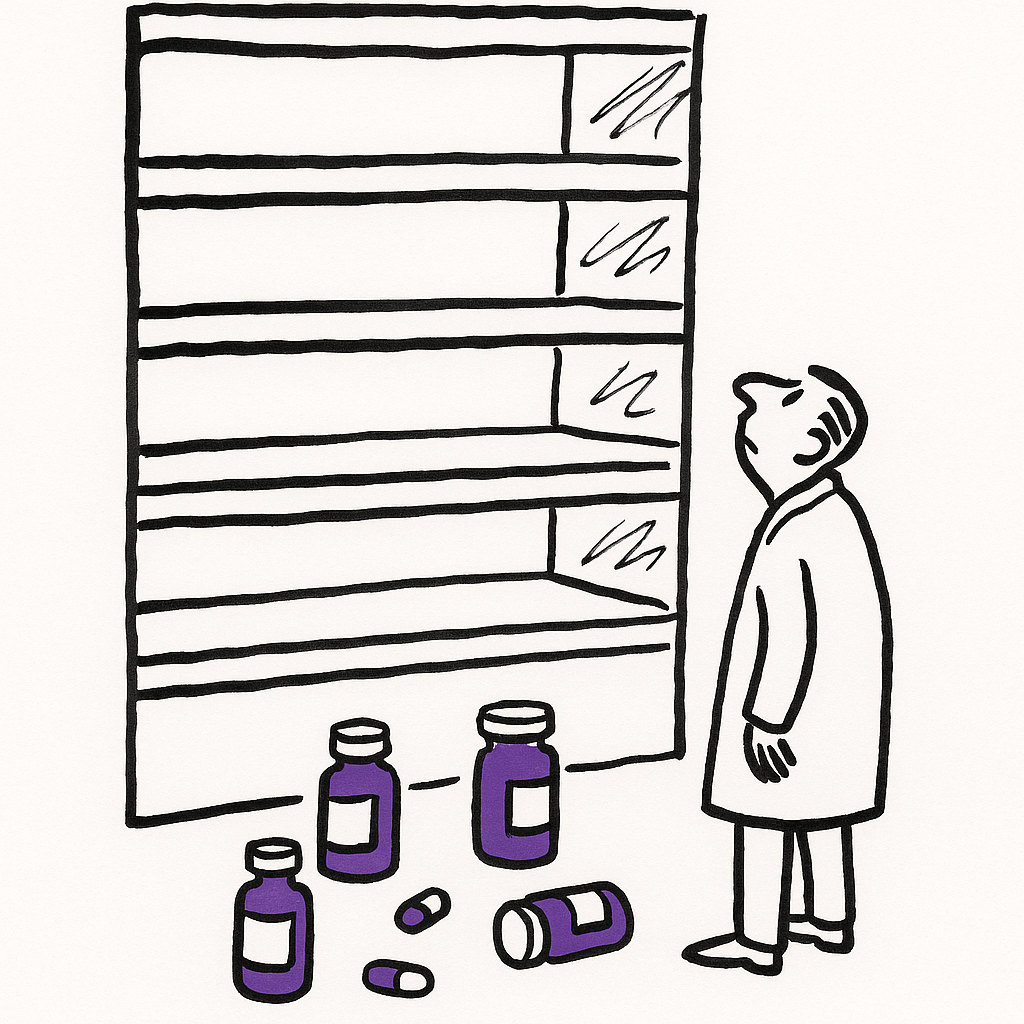
Nearly 2,000 pharmacy locations closed in 2025. Rite Aid shed roughly 1,250 stores post-bankruptcy. Walgreens cut 500 as part of a planned 1,200 over three years. CVS closed 270 on top of 900 prior closures.
The numbers sound like corporate restructuring. The reality is more interesting.
One in seven Americans now lives in what researchers call a pharmacy desert - meaning they need at least 15 minutes to reach a pharmacy. These aren't just inconvenient statistics. They represent communities where the traditional distribution model has failed.
Barry Thomas at Kantar observed that "pharmacies were last to adopt delivery." That's putting it politely. The industry watched digital transformation happen to everyone else and assumed they were somehow exempt. They weren't.
Now prescription mail delivery accounts for 10-15% of fulfillment. DoorDash handles roughly 10% of Walgreens sales. Walmart ships refrigerated GLP-1 drugs nationwide. Giant Eagle absorbed 78 Rite Aid locations.
The fragmentation Kantar's Amar Singh describes - consumers buying health products at Walmart, Amazon, grocery stores, dollar retailers - isn't chaos. It's consumers solving a problem the traditional players couldn't.
Platform Anxiety Meets Brand Reality
Meanwhile, TikTok is restructuring under "TikTok USDS Joint Venture LLC" with Oracle, Silver Lake, and Abu Dhabi's MGX taking 45% ownership. The deal closes January 22nd. ByteDance keeps 20%.

Marketers are drawing comparisons to Elon Musk's Twitter acquisition. The talent exodus - TikTok lost advertising leaders Blake Chandlee and Jack Bamberger - mirrors what happened at X.
But here's the difference everyone's watching: ad performance.
TikTok's U.S. ad revenue is projected to hit $17.17 billion in 2026, up from $14.03 billion in 2025. TikTok Shop exceeded $500 million in U.S. sales during Black Friday Cyber Monday alone.
As one agency executive put it: "It's where people are, and advertisers will follow those eyeballs."
The caveat matters. Kira Henson at Good Apple captured the conditional nature of the commitment: "If user experience holds steady, we expect spending adjustments only as media buyers recalibrate data. However, negative impacts on user interaction could trigger migration to alternative platforms."
That's a fancy way of saying: we're staying until we have a reason to leave. Not exactly brand loyalty.
The AI Hiring Paradox
And then there's what's happening inside agencies themselves.
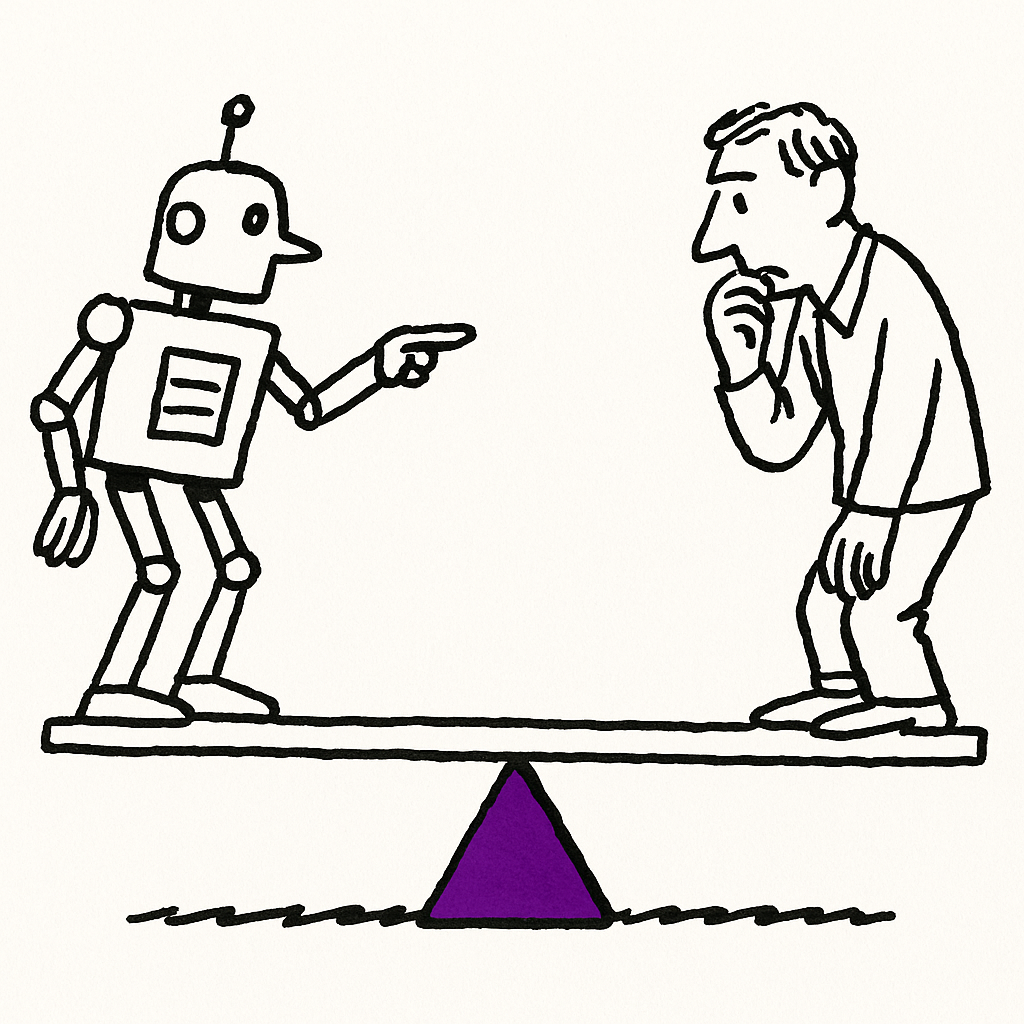
Chemistry's chief strategy officer Javier Santana put it bluntly: "Technical literacy is table stakes at this point, and AI fluency is an expectation. There's no room for purists."
Agencies are rethinking junior hiring entirely. PMG filled 80 of 190 roles last year through early-career hiring, but they're now prioritizing universities with AI modules over traditional portfolio schools.
The paradox nobody expected: soft skills matter more now, not less. Chemistry's chief people officer Christofer Peterson explained that AI adoption is "forcing organizations to prioritize soft skills - which I would argue are not 'soft' at all - like creative thinking, critical thinking, problem solving."
The machines can execute. Humans need to think.
But 36% of CMOs expect headcount reductions in coming months. So entry-level talent needs to learn AI to get hired, but the jobs themselves might be disappearing.
The Common Thread
These stories seem unrelated. Pharmacy closures, platform ownership drama, agency hiring shifts. What connects them?
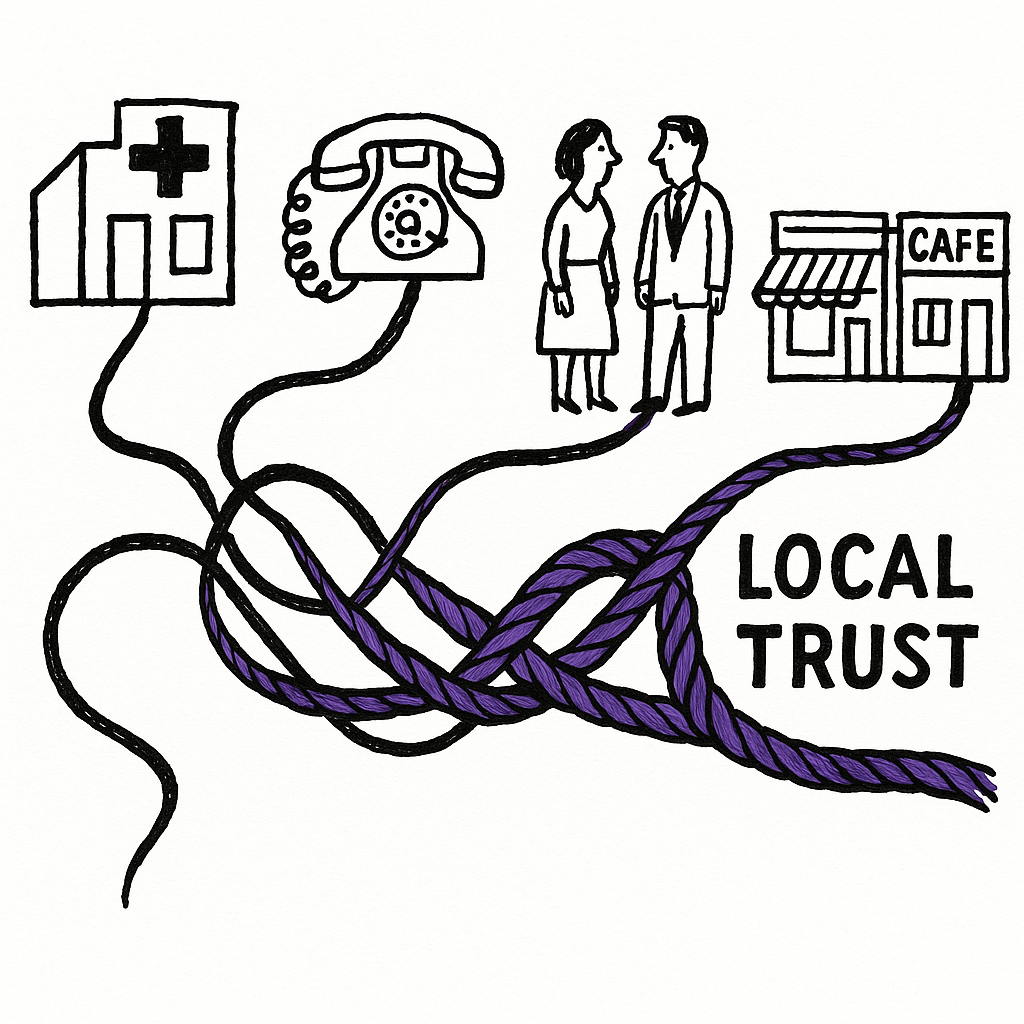
Trust fragmentation.
The pharmacy deserts force consumers to find new sources they can trust for health products. The TikTok uncertainty forces brands to question where they can reliably reach audiences. The agency transformation forces organizations to rethink what human skills they actually value.
In each case, the old answer - trusted institution, trusted platform, trusted credential - is breaking down.
This is where local becomes interesting again.
When CVS closes in your neighborhood, the local operator who carries those health products gains not just distribution but credibility. When TikTok's ownership drama makes platforms feel unreliable, the authentic recommendation from a local gym owner or barista carries weight that paid media can't replicate. When agencies can't figure out what skills to hire for, the person who genuinely understands a community has something algorithms struggle to fake.
The fragmentation everyone's worried about is actually an opportunity for brands willing to think smaller. Not small in ambition - small in trust radius.
National brands struggle to activate authentically at the local level because authenticity requires relationships, and relationships don't scale the way media buys do. But the disruptions we're watching - 2,000 pharmacy closures, TikTok ownership anxiety, agencies questioning what human value looks like - all point toward the same conclusion.
The places where people actually trust each other are becoming more valuable, not less.
The question for brands isn't whether to invest in local. It's whether they can find the right local partners before their competitors do.
Sources
- Pharmacy closures in 2025 reshaped where people buy health products - Modern Retail
- After watching X's ownership issues play out, marketers brace for TikTok whiplash in 2026 - Digiday
- 'There's no room for purists': Generative AI is altering the agency junior talent search - Digiday
- Here's What Happens When Your Customers Design Your Clothes - The Robin Report
Hass Dhia is Chief Strategy Officer at Smart Technology Investments, where he helps brands find authentic local activation partnerships powered by neuroscience and AI. He holds an MS in Biomedical Sciences from Wayne State University School of Medicine, with thesis research in neuroscience.