The Year We Learned to Read Signals
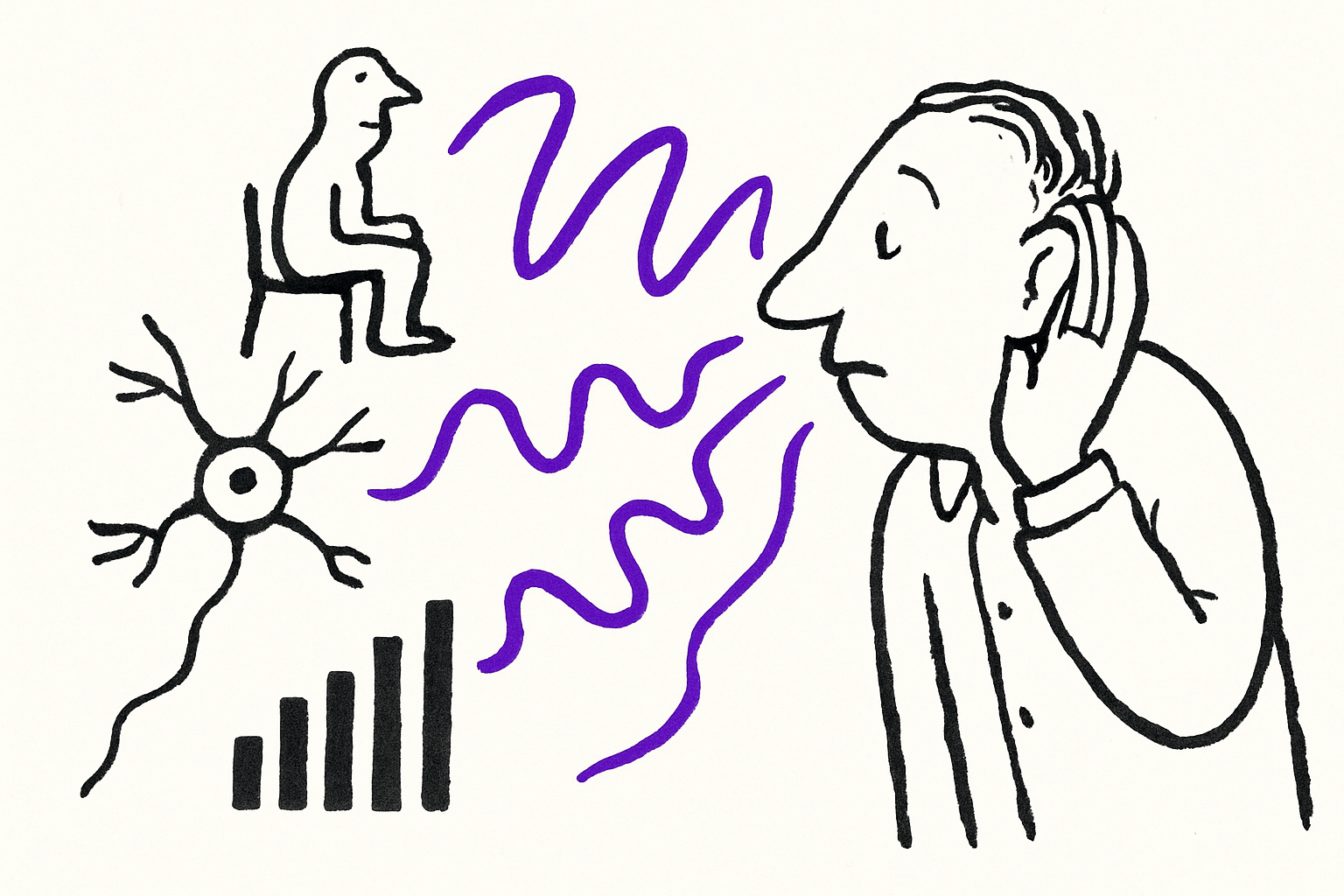
There's a breakthrough happening in neuroscience labs that perfectly mirrors what's unfolding in business. Whether either will live up to the hype remains to be seen.
Researchers at the Allen Institute developed a protein sensor called iGluSnFR4 that can detect incoming signals between neurons - something that was literally impossible before. For decades, scientists could only measure what neurons were sending. Now they can finally see what neurons are receiving.
The lead researcher put it beautifully: "We're adding the connections between those neurons and by doing that, we now understand the order of the words."
That phrase - "the order of the words" - captures something profound. But neuroscience has a long history of breakthroughs that take decades to translate into anything practical. Let's see if business fares any better.
The Listening Gap (Or So They Claim)
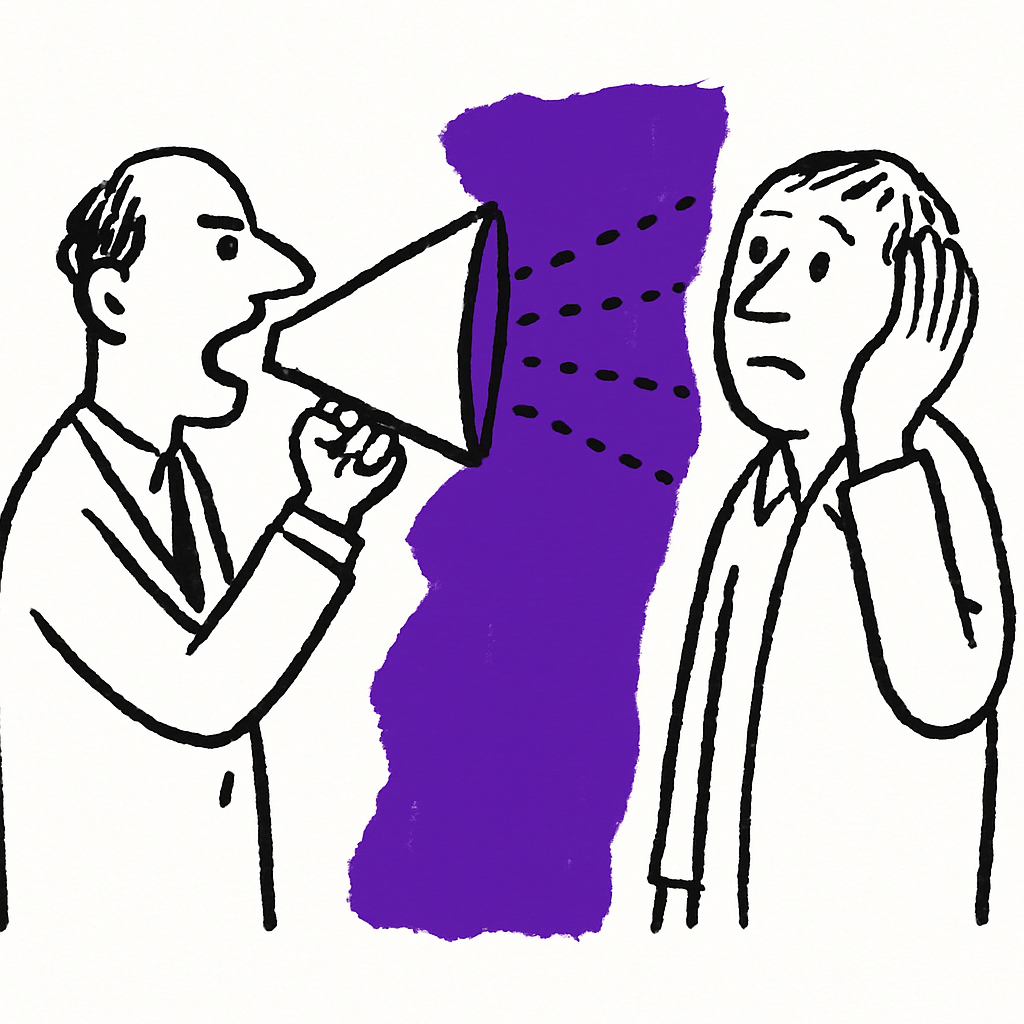
For years, businesses have been broadcasting. Marketing messages. Brand campaigns. Product launches. Loyalty programs.
But listening? Actually understanding what customers are telling us through their behavior, their friction points, their silent departures? That's been the hard part.
American Airlines just revealed how they're attempting to close this gap. Their VP of Digital Customer Experience, Sam Liyanage, describes a shift from rigid systems to conversational AI that lets travelers ask questions like "blue-water beaches for a week in December" instead of clicking through filters.
The pitch sounds great. But here's what they're not saying: whether travelers actually want to chat with a bot instead of clicking filters. Natural language interfaces have been "the future" for over a decade. Remember when we were all supposed to be talking to our phones? The technology often works. The behavioral adoption often doesn't.
The insight isn't the AI itself. It's that customers have been trying to communicate naturally for years. Whether they'll actually use these tools - or find them slower and more frustrating than a simple search - is an open question.
Automation Frees Humans to Listen (In Theory)
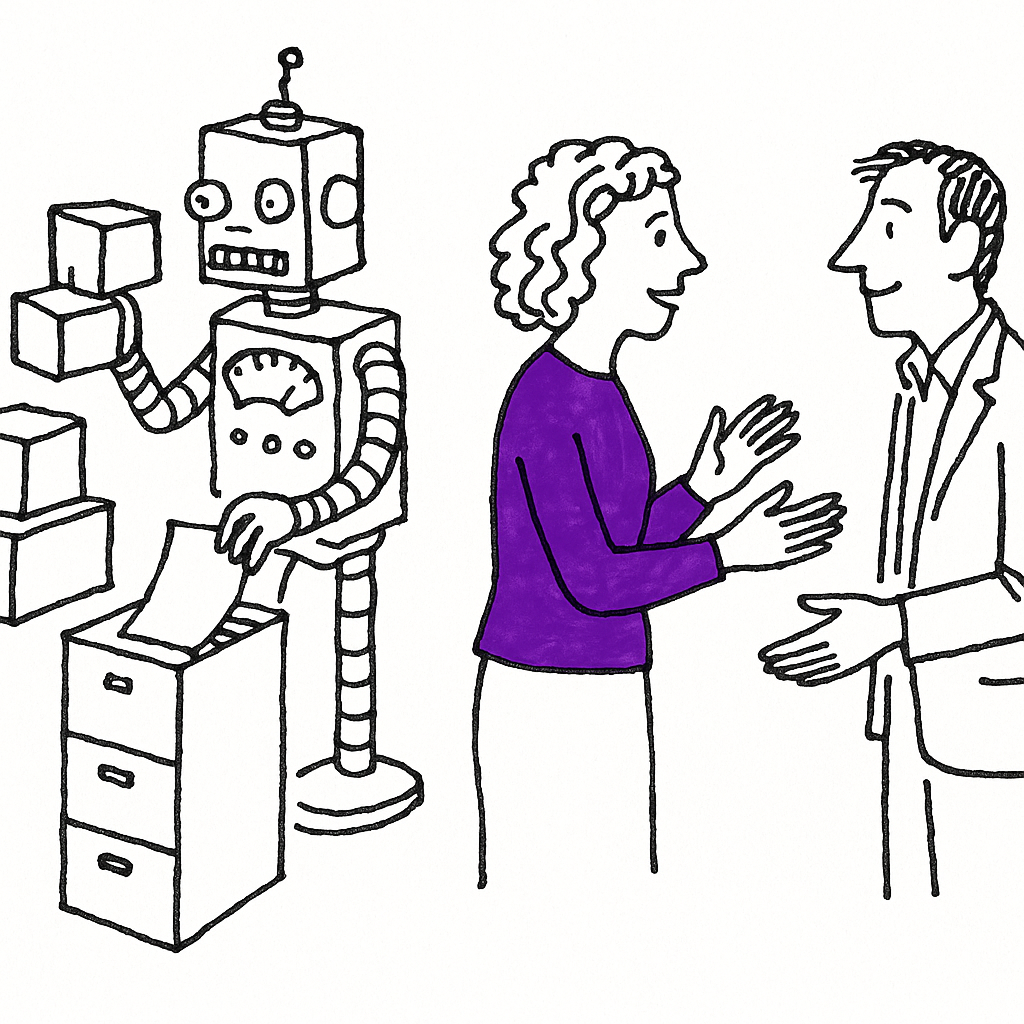
There's a tempting trap in all this talk of AI and automation: the assumption that freeing up staff time automatically leads to better customer connection.
American's stated approach is to automate the predictable stuff - check-in, bag tagging, routine notifications - so their people can focus on complex issues and emotional moments. As they put it: "Automation creates efficiency, our people create trust."
It's a nice line. But the track record of "automation freeing humans for higher-value work" is mixed at best. Often what happens is: automation eliminates roles, remaining staff handle more volume, and the "human touch" moments get squeezed out by pure capacity constraints.
The neuroscience insight is worth noting though. When researchers can finally see incoming signals to neurons, they see the context that determines whether a neuron fires at all. The incoming signals are what matter for learning, memory, emotion.
For operators, the parallel is clear in principle. The "incoming signals" from your customers - their frustrations, their moments of delight, their questions - are what determine whether they come back. Automate the noise so you can hear the signal. Whether any given company actually executes on this is another matter entirely.
Infrastructure as Competitive Advantage (We've Heard This Before)
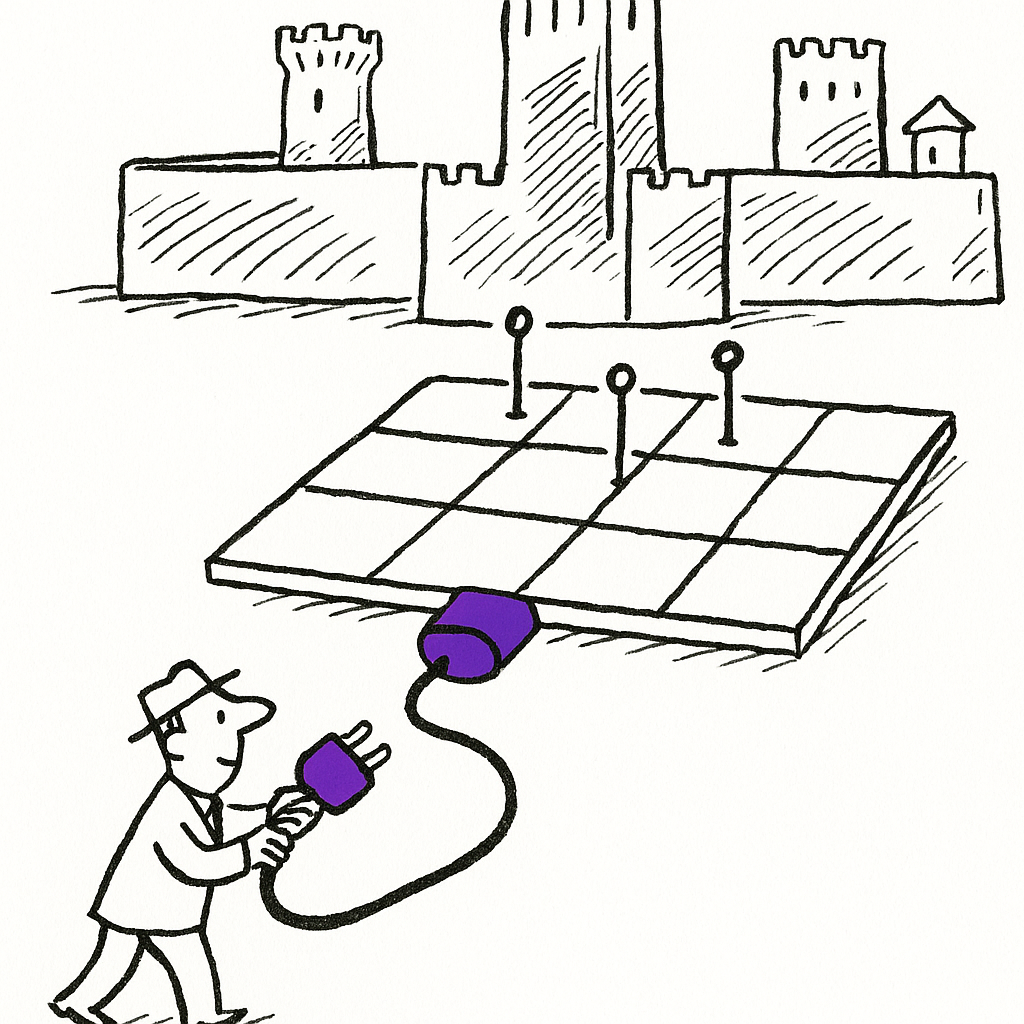
The travel industry is having its own signal-reading moment. A company called OnArrival is building what they call "accessible infrastructure" - essentially giving non-travel brands the ability to offer travel services without building complex systems.
Their CEO, Ankit Sawant, points out that "incumbents maintain dominance through accumulated technical barriers rather than superior technology." Translation: the old players aren't winning because they're better at serving customers. They're winning because they've made it hard for anyone else to even try.
Fair point. But "democratizing infrastructure" has been the pitch of approximately 10,000 startups over the past decade. The travel industry in particular is littered with platforms that promised to unlock this potential. Some succeeded. Most didn't.
The 30-day integration replacing the 6-month project sounds compelling. But integration complexity is rarely the actual bottleneck. Regulatory compliance, supplier relationships, and customer acquisition are usually what kill these plays. We'll see if this one's different.
The Consistency Problem
Here's where it gets interesting - and where the skepticism is most warranted.
Digiday just published their rankings of generative AI tools, and the verdict is clear: no single tool dominates because none of them have solved consistency.
Google's Nano Banana gets an A for hyperrealism. VEO excels at video. Sora has cinematic qualities. Midjourney is increasingly "unreliable" for client work.
But across all of them, as one marketing exec put it: "Consistency is probably the number one thing that you'll need to give people."
This is the signal-reading lesson hiding in plain sight. Customers don't just want quality - they want reliability. They want to know that the experience they had yesterday will be the experience they have tomorrow.
The best technology in the world doesn't matter if it's unpredictable. And right now, the honest assessment is: it's unpredictable.
What This Means for Operators
The neuroscience breakthrough with iGluSnFR4 isn't just academic. Disrupted glutamate signaling - the inability to properly receive and process incoming signals - is implicated in Alzheimer's, autism, schizophrenia, and epilepsy.
In business terms, the inability to read and respond to customer signals shows up as churn, negative reviews, declining foot traffic, and the slow death of relevance.
Three practical takeaways - with appropriate caveats:
First, audit your listening systems. What signals are customers trying to send that you're not equipped to receive? The friction in your booking process. The questions your staff gets asked repeatedly. The requests that fall outside your current offerings. This is genuinely useful regardless of what technology you deploy.
Second, be skeptical of "automation frees humans" claims. Sometimes it does. Sometimes automation just means fewer humans. The difference is in execution, not intention. Before automating, ask: will this actually create capacity for connection, or just reduce headcount?
Third, demand consistency from your tools - and be realistic about what's achievable. The flashiest AI demo means nothing if it can't deliver the same quality every time. But also: consistency might not be possible yet for some use cases. Know the limits before you bet the customer experience on it.
The businesses that will win 2025 aren't necessarily the ones with the most advanced technology. They might be the ones that finally learned to listen. Or they might be the ones that avoided the hype and focused on fundamentals. The jury's still out.
Hass Dhia is Chief Strategy Officer at Smart Technology Investments, where he helps operators apply neuroscience and AI to grow their businesses. He holds an MS in Biomedical Sciences from Wayne State University School of Medicine, with thesis research in neuroscience.
Sources
- Executive Q&A: Inside American's Push to Make Travel More Seamless - Skift
- Q&A: Why Travel Needs a New Platform Built for an Open Ecosystem - Skift
- How marketers rank this year's generative AI image, video tools - Digiday
- Engineered Protein Reveals Hidden Incoming Signals Between Neurons - Neuroscience News